

More Than Just a Morning Walk
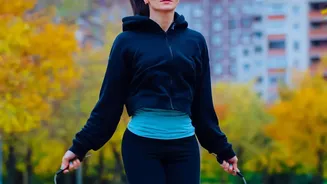
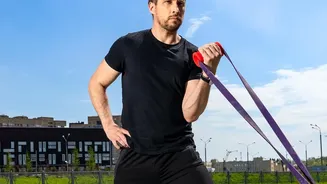
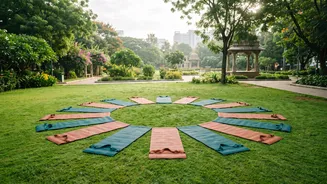
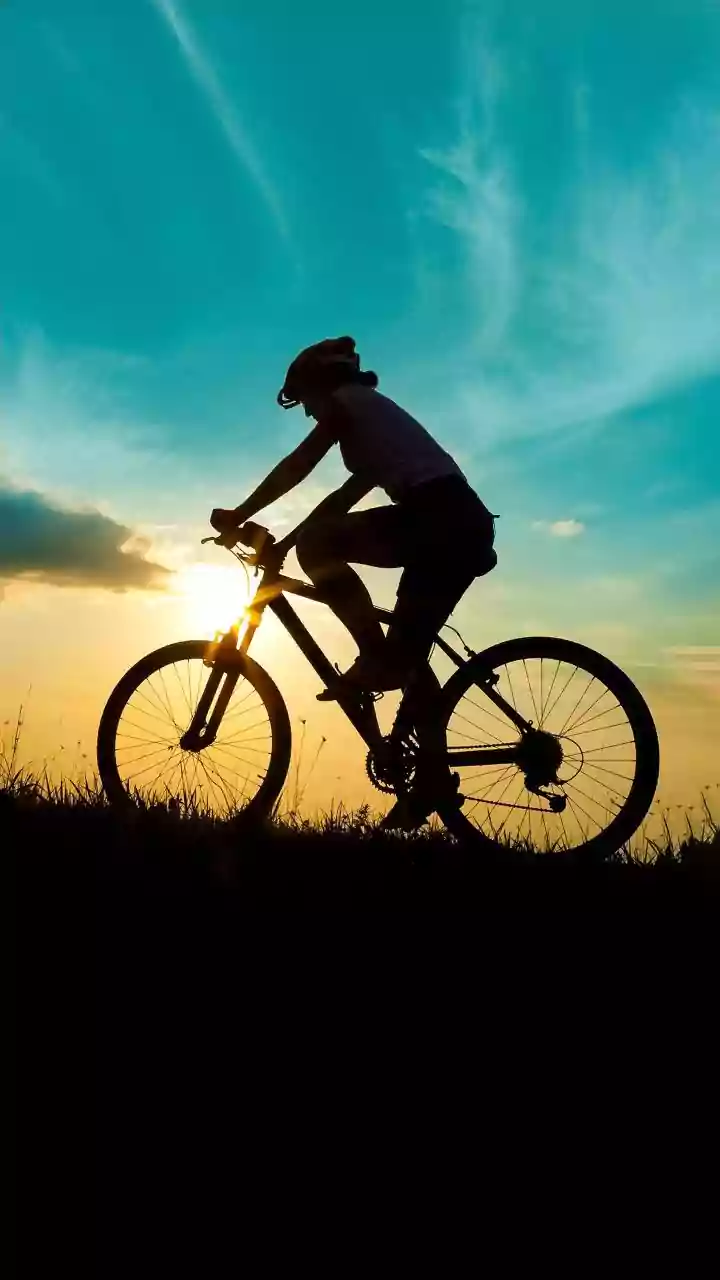
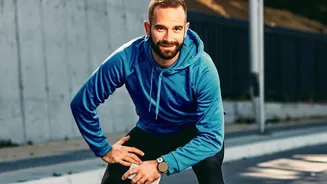
The traditional image of a city park is changing. Where once you might have seen only solitary walkers or families on a stroll, you are now just as likely to find a high-intensity interval training (HIIT) group, a circle of yoga practitioners, or a runners'
club stretching at dawn. In cities like Mumbai, Bengaluru, and Delhi, green spaces are being actively reclaimed by residents for organised activities. This shift marks a significant evolution in how urbanites view public spaces—not just as passive areas for relaxation, but as active, dynamic venues for health, wellness, and social connection. This grassroots movement is turning parks into open-air community centres.
The Post-Pandemic Push Outdoors
The COVID-19 pandemic and its associated lockdowns dramatically shifted our relationship with the indoors and outdoors. After being confined to their homes, many people developed a newfound appreciation for accessible public spaces and the mental and physical benefits of being in nature. Parks became safe havens for exercise and socially-distanced interaction. This has had a lasting effect, accelerating the trend of moving fitness and social activities into the open air. The desire for well-ventilated, spacious environments has made parks an attractive alternative to enclosed gyms and studios, a habit that has stuck long after restrictions have lifted.
Wellness That's Accessible and Affordable
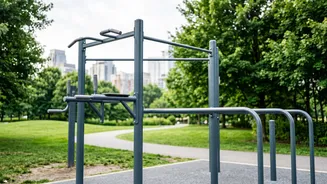
One of the most significant drivers of this trend is accessibility. As opposed to expensive gym memberships or boutique fitness classes, park-based activities are often free or low-cost, democratising wellness for a much broader audience. Many of these groups are informal, organised by residents themselves through social media and messaging apps. Furthermore, municipal bodies in several cities have recognised and supported this movement by installing free-to-use open-air gyms, making basic fitness equipment available to everyone. This blend of grassroots initiative and civic support is breaking down financial barriers to maintaining a healthy lifestyle.
Building Bonds Beyond the Screen
In an era of increasing urban isolation and digital fatigue, these park-based communities offer a vital antidote: real-world connection. They are becoming modern-day 'third places'—environments outside of home and work where people can build social bonds. From running clubs in Mumbai to knitting circles in Bengaluru's Cubbon Park, these groups foster a sense of belonging and camaraderie among neighbours who might otherwise never interact. These informal gatherings help combat loneliness and strengthen the social fabric of the community, turning a shared interest in fitness or hobbies into genuine friendships.
The Future of Urban Green Spaces
This growing movement is also influencing how city planners and government bodies think about public parks. Initiatives like the Ministry of Ayush's 'Yoga Park Portal' aim to formally transform public spaces into wellness hubs. In Bengaluru, there is a push to develop new parks designed specifically to support community activities, not just to provide green cover. Citizenly led movements are also playing a crucial role, with residents volunteering to maintain and beautify their local parks to make them more inviting. This synergy between citizens and authorities suggests that the future of urban parks is one of co_creation, with these spaces being designed and managed as essential infrastructure for public health and social wellbeing.