








The Monsoon Rush is Real
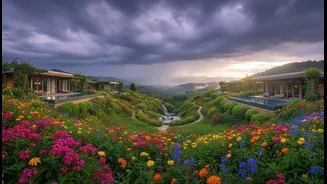
For years, the monsoon season meant a lull in tourism. Not anymore. Recent data reveals a massive spike in travel demand between June and September. Hotel bookings in popular monsoon destinations like Munnar and Mussoorie have seen a nearly tenfold increase
compared to last year. Even traditionally popular spots like Goa, which once saw a 24% drop in hotel tariffs during the rains, are now experiencing sustained demand with resilient pricing. This isn't just about escaping the city heat; it's a fundamental change in traveler mindset. The monsoon is no longer a spoiler but a preferred season for immersive wellness and cultural trips, with overall July bookings pacing nearly 10% ahead year-on-year. This trend signals a structural shift where domestic leisure travel is no longer confined to just the peak summer and winter seasons.
Rethinking 'Off-Season' Prices
With rising demand, the old assumption of deep monsoon discounts is being tested. While deals still exist, they are evolving. Instead of drastic price cuts, the value is now found in unique packages and experiences. For example, ixigo reports that hotel searches for Goa in July have surged by 40% compared to the peak summer season, indicating that travelers are willing to pay for the monsoon experience. The narrative is shifting from just saving money to finding better value. Travelers are seeking meaningful, cost-effective trips rather than just the cheapest option. While some reports still note fare drops of 30-50% on certain domestic routes, the rising popularity of destinations like Rishikesh and Mussoorie suggests that price is no longer the only driver. The new calculation for travelers involves balancing a reasonable cost with the unique appeal of a destination washed in rain.
Flexibility is the New Must-Have
In this new era of travel, flexibility has become paramount. The unpredictability of monsoon weather, combined with a lingering post-pandemic awareness, has made travelers prioritize adaptable plans. A recent Skyscanner report found that 84% of Indian travelers are open to adjusting their travel dates to find better deals and experiences. This demand for flexibility is not just about changing dates; it extends to cancellation policies and the ability to make last-minute decisions. With airlines now required to offer full refunds or rebooking for weather-related cancellations, travelers have more security. This shift means that about 30% of travelers would rather switch their destination than cancel a trip altogether, showing a new, more fluid approach to planning.
The Allure of the Quiet and Unseen
The travel surge is also steering people away from overcrowded hotspots. A significant 52% of Indian travelers now prefer quieter, less-crowded locations over mainstream tourist hubs. This has led to the rise of what some are calling "hushpitality"—travel centered around quiet surroundings and unhurried schedules. Destinations offering nature-based and spiritual experiences are seeing huge growth. Rishikesh, for instance, saw a 200% increase in searches, jumping from the 18th to the 3rd most-searched domestic destination. Other places like Wayanad, Coorg, Lonavala, and even offbeat regions in the Northeast like Nagaland and Arunachal Pradesh are gaining immense popularity. This trend is driven by a desire for peace, authenticity, and a chance to disconnect from urban chaos.
Work, Wander, and Wider Horizons
Several factors are fueling this monsoon travel boom. The rise of remote and hybrid work models is a major driver, allowing professionals to take 'workations' and blend their job with travel. Improved internet connectivity in even remote areas has made working from a homestay in the Tirthan Valley or a cafe in Goa a viable option. Furthermore, there is a growing appreciation for India's diverse seasonal beauty, with travelers actively seeking the lush, green landscapes that the monsoon creates. This isn't just about a change of scenery; it reflects a deeper quest for work-life balance and a break from urban burnout, signaling a maturing travel culture where experience trumps convenience.