



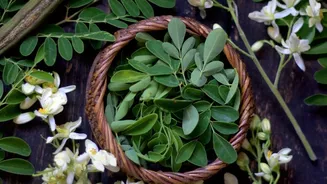
Often called a 'miracle tree', moringa has moved from a traditional ingredient to a global superfood. But how do you use it beyond a trendy smoothie? Here is a simple guide to incorporating this potent green into your everyday Indian kitchen.
What Exactly Is Moringa?
Moringa Oleifera
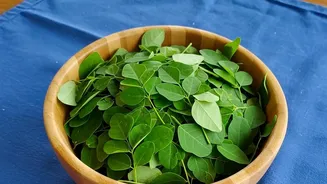
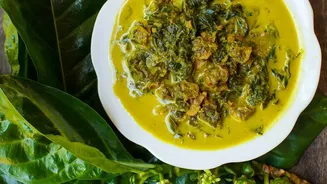
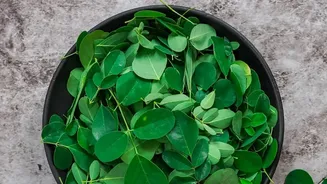
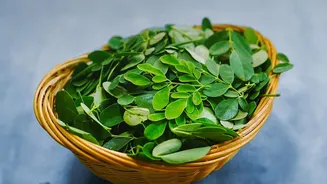
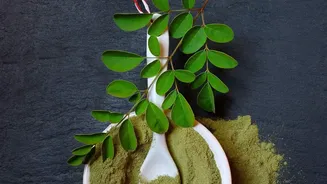
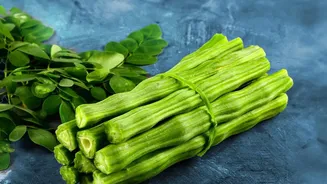
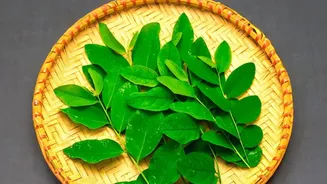
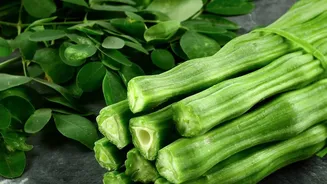
is the drumstick tree, an ingredient long familiar in Indian homes. Its pods are a staple in dishes like sambar and avail, while its leaves (often called 'murungai keerai' or 'shevga pan') are used in regional preparations like dals and stir-fries. In recent years, the spotlight has turned to moringa powder, which is made by drying and grinding these nutritious leaves. This powder offers a convenient way to access the plant's benefits year-round, making it easy to add to a variety of dishes without the need for fresh leaves.
A Nutritional Powerhouse
Moringa leaves are packed with nutrients, which is why they have earned their 'superfood' status. They are a source of plant-based protein, fibre, and essential amino acids. They also contain important vitamins and minerals, including iron, calcium, vitamin A, and vitamin C. The powder is also rich in antioxidants, which help protect the body's cells from damage. While it is not a cure-all, incorporating moringa into a balanced diet can help boost overall nutrient intake, support immunity, and provide a natural energy lift.
Start Simple: Ideas for Easy Use
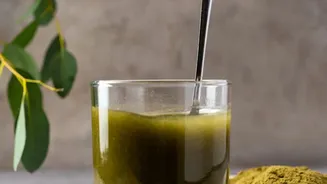
The easiest way to start is by using moringa powder, which has a distinct earthy, spinach-like flavour. Begin with a small amount, about half a teaspoon per day, to allow your body to adjust. One of the simplest methods is to stir it into a glass of warm water with a squeeze of lemon and a dash of honey. It also blends seamlessly into smoothies, lassis, and juices, where fruits like banana or mango can help balance its green taste. Another easy option is to mix it into curd or raita, where its flavour is softened.
Upgrade Your Everyday Dal and Sabzi
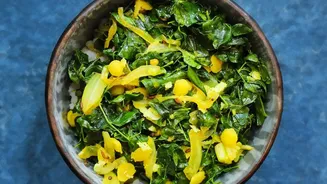
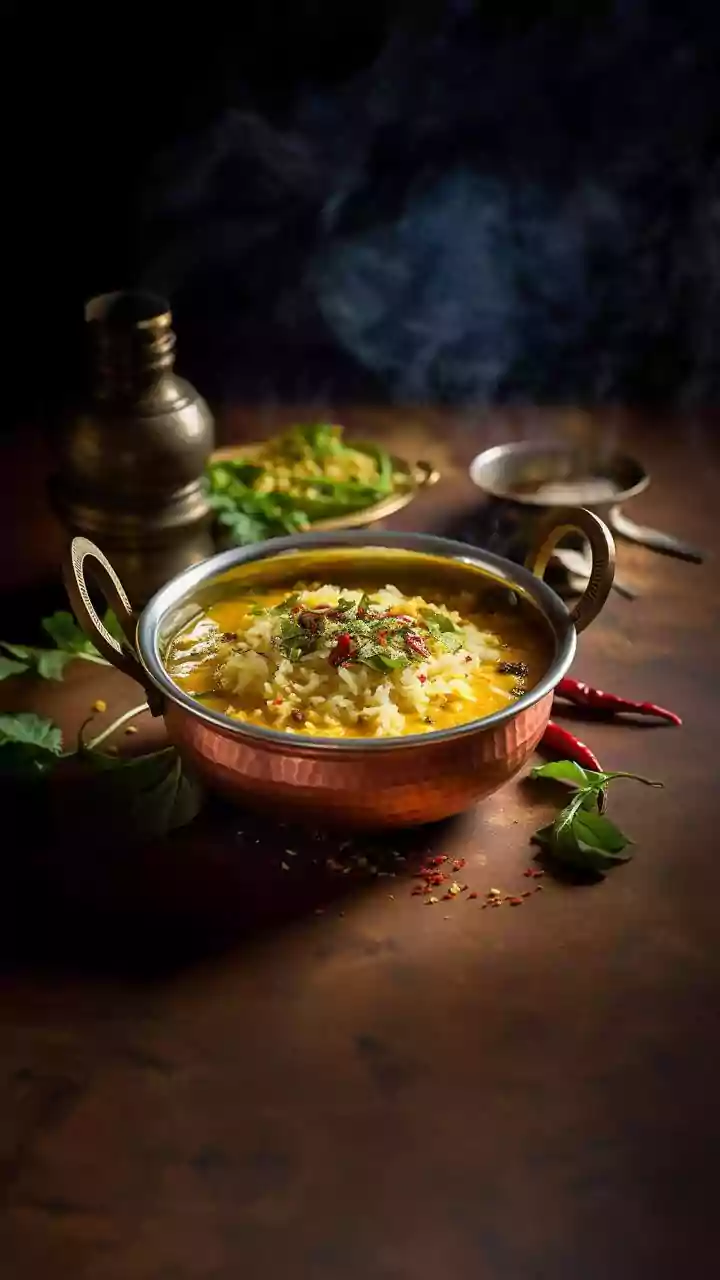
Indian cooking, with its robust spices, is perfect for incorporating moringa. A great way to use the powder is to stir it into your dal, sambar, or rasam just before you finish cooking. Adding it at the end helps preserve its nutrients, which can diminish with prolonged boiling. The powder's flavour blends well with lentils and tamarind-based broths. You can also sprinkle it into a vegetable sabzi or stirfry in the final minutes of cooking. Fresh moringa leaves can be used in the same way, often added to a tempering of mustard seeds and onions.
A Boost for Breakfast and Breads
Moringa can easily be integrated into your morning routine. A small amount of powder can be mixed directly into the batter for dishes like dosa, adai, or chilla for a nutritious twist. It also works well when added to savoury breakfast items like upma, poha, or khichdi alongside the usual vegetables and spices. Perhaps the most popular method in many Indian households is to knead moringa powder into the atta for rotis, parathas, or theplas. The green powder integrates completely into the dough, adding nutrients without significantly changing the taste or texture of the final flatbread.
A Note on Taste and Dosage
Moringa has a strong, earthy flavour that some describe as being similar to spinach or matcha. When you first start using it, it is best to begin with a small dose—around half to one teaspoon per day—and see how you feel. Taking too much too soon can sometimes lead to mild digestive discomfort. Its green taste pairs well with acidic ingredients like lemon, tomato, and tamarind, or creamy bases like coconut and yogurt, which help mellow its flavour. Remember, consistency is more important than quantity. A little bit each day is more beneficial than a large amount occasionally.