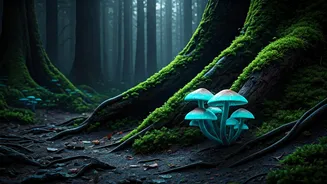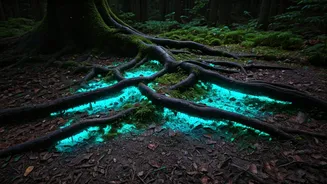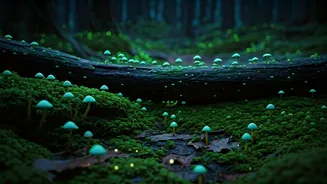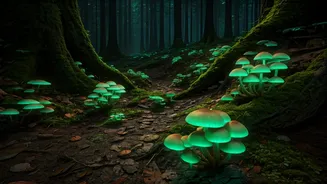



The Science Behind the Spectacle
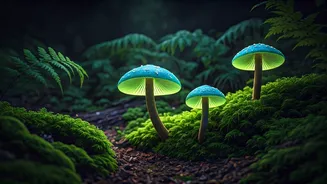
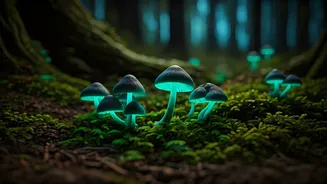
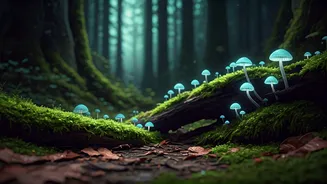
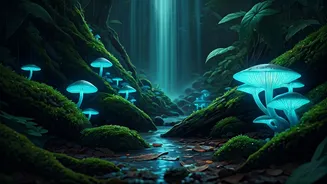
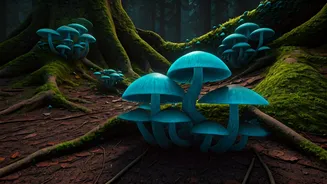
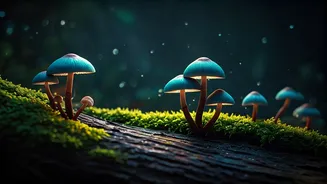
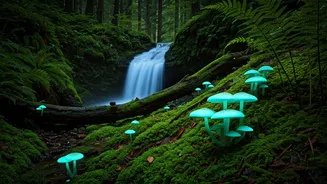
What you're witnessing is a natural phenomenon called bioluminescence, the same process that makes fireflies light up. In this case, the glow comes from fungi, primarily from the Mycena genus. These mushrooms contain a compound called luciferin and an enzyme,
luciferase. When these two interact with oxygen, they produce a chemical reaction that releases energy in the form of a cool, greenish light. This otherworldly glow is not for human entertainment; scientists believe it serves to attract nocturnal insects that help in spore dispersal, allowing the fungus to reproduce and spread throughout the forest floor. The light is often subtle, a ghostly glimmer best seen when your eyes have fully adjusted to the darkness, making the experience all the more mysterious and rewarding.
Where to Witness This Magic in India
India, with its diverse ecosystems, is home to several hotspots for bioluminescent fungi, especially during the monsoon season. The Western Ghats are the most famous region for these glowing wonders. In Maharashtra, areas like Bhimashankar Wildlife Sanctuary, Tamhini Ghat, and the forests around Lonavala and Malshej Ghat become hotspots. Further south, the forests of Goa, particularly in the Mhadei Wildlife Sanctuary, offer spectacular opportunities for guided walks. Another key location is Meghalaya in the Northeast, where local communities have long known about these glowing forests. Specific locations are often kept protected to avoid overcrowding, which is why joining a guided tour is both the best and most responsible way to experience the phenomenon.
The Monsoon Connection
Timing is everything. This is not a year-round spectacle but an exclusive gift of the monsoon. The season, typically running from June to late September, provides the perfect conditions for these fungi to thrive. The constant moisture, high humidity, and damp, decaying wood and leaves on the forest floor create the ideal habitat. The mushrooms fruit and glow most actively during this period. This seasonality makes the experience even more special, a fleeting wonder that you have to plan for. It also means you need to be prepared for the realities of a monsoon trek: rain, mud, and a lush, vibrant, and very much alive forest.
What to Expect on a Guided Walk
A typical glowing mushroom walk is an immersive nocturnal experience. You'll meet your guide, usually a naturalist or a local expert, at a designated point in the evening. The walks are conducted in small groups to minimise disturbance to the wildlife and enhance the experience. You will be asked to use your torch sparingly, or use a red filter, to allow your eyes to adjust to the natural darkness. The trek itself is usually a gentle walk, not a strenuous hike, focusing on observation. The guide will not only point out the glowing mushrooms but also share knowledge about the local flora and fauna. The real magic happens when you turn off all artificial lights and stand in the pitch-black forest, watching the ground slowly come alive with faint, glowing patches.
How to Prepare and What to Pack
Proper preparation is key to enjoying your walk safely and comfortably. Sturdy, waterproof footwear with good grip is non-negotiable, as trails will be slippery and muddy. Wear a lightweight raincoat or poncho and comfortable, quick-drying full-sleeved shirts and trousers to protect against insects and leeches. Carry a good quality insect repellent. While you'll need a torch to navigate parts of the trail, the main event requires darkness, so follow your guide’s instructions on when to use it. A small backpack with water and a plastic bag to keep your phone and other electronics dry is also recommended. Finally, go with a sense of adventure and patience; spotting the glow is part of the fun.
Finding and Booking Your Walk
The headline says it all: register online. These walks have become increasingly popular, and spots fill up fast. The best way to find a reputable tour is to search online for phrases like “glowing mushroom walk Bhimashankar” or “bioluminescent fungi tour Goa” closer to the monsoon season (May-June). Several eco-tourism companies and local naturalist groups in Pune, Mumbai, and Goa actively organise and advertise these walks on their websites and social media pages. Always book with an established operator who prioritises safety and ecological responsibility. Booking in advance is crucial, as group sizes are limited to ensure a quality experience and minimise environmental impact.