


The Assurance of Purity
One of the biggest drivers behind this preference is health and hygiene. Packaged snacks often come with a long list of preservatives, artificial colours, and high quantities of refined sugar and unhealthy fats. Recent inspections have frequently raised
concerns about the quality and hygiene of commercially produced sweets and snacks, especially those sold loose. When you prepare food at home, you control every element—from the quality of the oil and the amount of sugar to the cleanliness of your kitchen. This control offers a peace of mind that no commercial brand can fully guarantee, ensuring that the food shared with loved ones is not just tasty, but also pure.
The Authentic Taste of Tradition
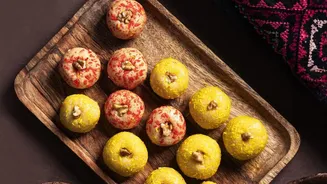
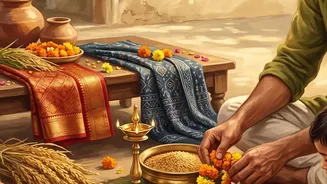
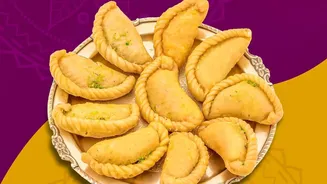
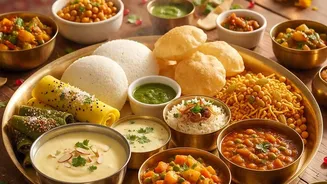
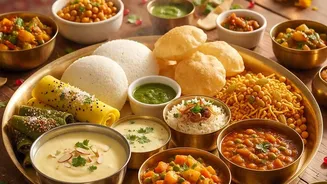
Store-bought snacks often have a uniform, mass-produced flavour that can't compare to the distinct taste of family recipes. Homemade treats are 'edible history', carrying the culinary fingerprint of a family from one generation to the next. Whether it's the specific blend of spices in a chakli or the unique texture of a karanji, these snacks evoke a powerful sense of nostalgia and belonging. Festivals are deeply tied to specific foods—Diwali is incomplete without laddoos, and Holi feels empty without gujiya. Making them at home preserves this authentic cultural and regional identity, something that a factory-made product struggles to replicate.
An Expression of Love and Connection
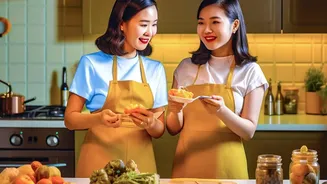
The act of preparing festive snacks is often a communal activity, bringing family members together in the kitchen. This shared effort strengthens bonds and creates lasting memories. Furthermore, exchanging platters of homemade snacks with neighbours and friends is a cherished tradition that symbolises goodwill and community spirit. A box of store-bought sweets is a convenient gift, but a tray of handmade goodies is considered a far more personal and heartfelt gesture. It communicates care, effort, and affection in a way that commercial products simply cannot.
Smarter Choices for Health and Pocket
Beyond the emotional connection, there are practical benefits. Making snacks in large batches at home can be significantly more cost-effective than buying multiple packaged items. It also allows for complete customisation. With growing awareness around health, many families prefer to make their own snacks to control sugar levels, use healthier alternatives like jaggery, or cater to dietary restrictions such as gluten or nut allergies. This flexibility is rarely available with off-the-shelf products, making the homemade route a smarter choice for health-conscious households.
A Modern Twist on a Timeless Practice
Acknowledging the time constraints faced by working professionals, the tradition of homemade snacks is adapting rather than disappearing. Many urban professionals dedicate weekends to batch-cooking, using modern kitchen gadgets to speed up the process. Another growing trend is the rise of home chefs. These small-scale entrepreneurs offer authentic, high-quality festive snacks that provide the taste and purity of home-cooked food without the labour. For many, ordering from a trusted home chef is the perfect middle ground, offering a way to uphold tradition while navigating a busy modern lifestyle.