




General Monsoon Plant Care
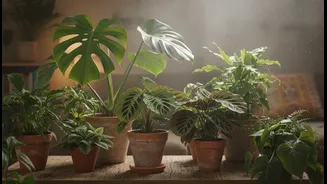
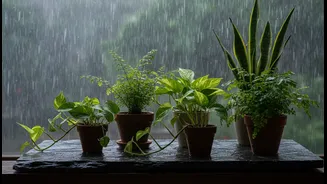
The rainy season presents a unique environment for indoor plants. The high humidity means you'll need to water less frequently, as the soil will take longer to dry out. Overwatering is the biggest danger, leading to root rot. Always check the top two
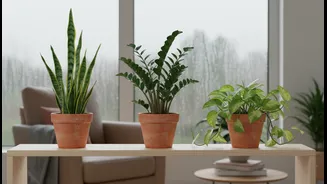
inches of soil; if it's still damp, hold off on watering. Good drainage is crucial. Ensure your pots have holes and consider using terracotta pots, which are porous and help soil breathe. Reduced sunlight is another factor. Move plants closer to windows to maximise the available indirect light. Finally, keep an eye out for pests and fungal infections, which thrive in damp conditions. Good air circulation and pruning any yellowing leaves can help keep your plants healthy.
Snake Plant (Sansevieria trifasciata)
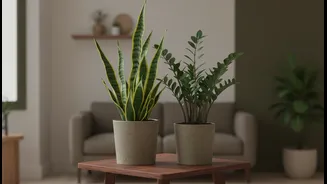
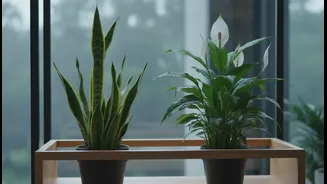
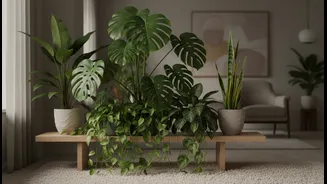
Often called one of the toughest houseplants, the Snake Plant is a champion of the monsoon season. It's highly tolerant of both low light and high humidity, making it perfectly suited for rainy days. Its thick, upright leaves store water, meaning it's incredibly resilient if you forget to water it. The key to keeping a Snake Plant happy during the rains is to avoid overwatering at all costs. Its succulent nature means it is very prone to root rot in soggy soil. Water only when the soil is completely dry, which might be only once every few weeks during the humid monsoon. It’s an excellent air purifier and adds a touch of modern, structural beauty to any room.
ZZ Plant (Zamioculcas zamiifolia)
The ZZ Plant is another nearly indestructible option that sails through the monsoon with ease. Hailing from drought-prone regions of Africa, it has evolved to store water in its underground rhizomes, making it extremely drought-tolerant. It thrives in low to medium indirect light and isn't fussy about humidity levels, though it handles the damp air of the rains perfectly well. Like the Snake Plant, the primary concern is overwatering. Allow the soil to dry out completely between waterings. Its glossy, dark green leaves bring a touch of polished elegance to even the dimmest corners of your home.
Pothos or Money Plant (Epipremnum aureum)
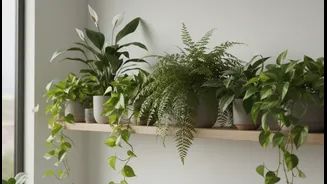
A staple in many Indian households, the Money Plant, or Pothos, grows with renewed vigour during the monsoon. These plants are native to tropical forests and love the high humidity that the rainy season brings. Their trailing vines, full of heart-shaped leaves, can brighten any shelf or hanging basket. While they can tolerate low light, their growth is more robust in bright, indirect light. During the monsoon, be careful not to let the soil become waterlogged. Wait for the top inch or two of soil to dry out before watering again. Their hardy nature and air-purifying qualities make them a forgiving and rewarding plant for beginners.
Peace Lily (Spathiphyllum)
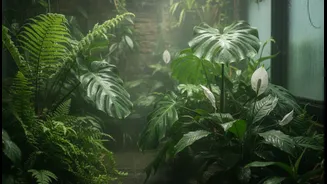
Peace Lilies are celebrated for their elegant white blooms and their love of shade, making them ideal for the lower-light conditions of the monsoon. These tropical plants thrive in high humidity, so they feel right at home during the rains. You may even find they bloom more readily during this time. Keep the soil consistently moist but not waterlogged. They are good communicators; if the leaves start to droop, it's often a sign they are thirsty. As excellent air purifiers, they are known to filter out common indoor toxins, making your home healthier and more serene.
Aglaonema (Chinese Evergreen)
Aglaonema, or Chinese Evergreen, is a fantastic foliage plant that loves the warmth and humidity of the monsoon. Available in a stunning variety of patterns in green, silver, pink, and red, they can add a splash of colour to gloomy days. They tolerate low light well and prefer their soil to be kept evenly moist. During the monsoon, you will need to reduce watering as the soil will retain moisture for longer. Ensuring good air circulation can help prevent fungal issues, which can be a concern in very humid environments. Their adaptability and striking looks make them a popular choice for indoor gardeners.