






More Than a Meal, It's an Experience
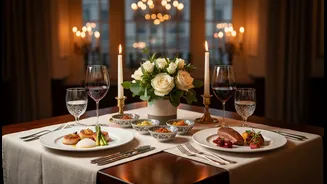
At its core, a modern supper club is a dining experience that blurs the lines between a private dinner party and a professional restaurant. Often hosted in a chef's home, a private studio, or another unconventional space, these gatherings are intimate,
typically seating a small number of guests. Unlike a restaurant with its sprawling menu and transactional nature, a supper club offers a set, curated menu, often designed around a theme or a specific regional cuisine. The host is not just a cook but a storyteller, sharing the inspiration behind each dish. This format strips away the formality of traditional dining, making guests feel less like customers and more like welcome participants in a shared event.
The Joy of Discovery
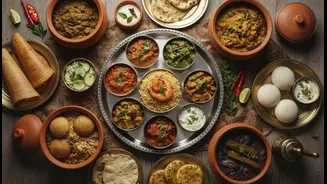
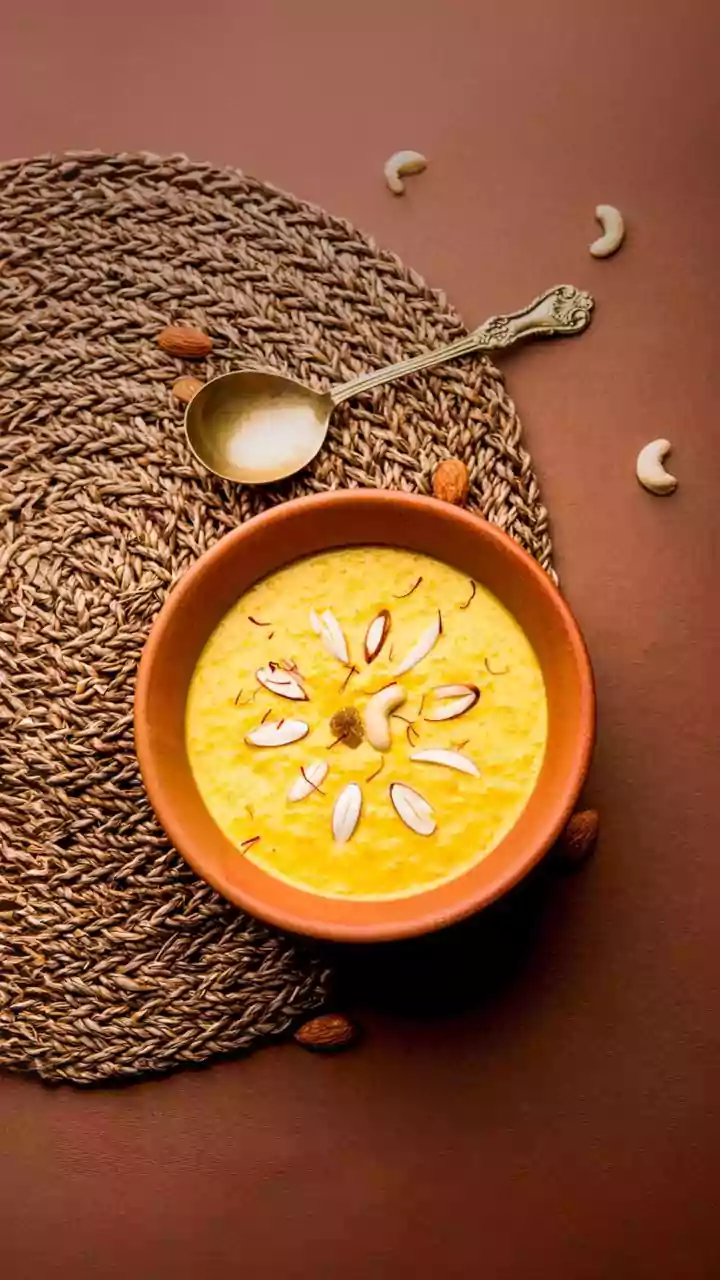
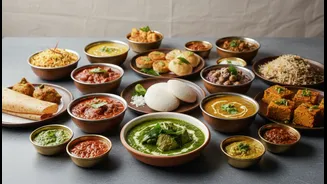
Much of the appeal lies in the element of surprise. Guests often book their spots without knowing the exact menu, placing their trust in the chef's creative vision. This might mean discovering an authentic regional Indian cuisine you’ve never tasted, like a multi-course Garo meal or home-style coastal dishes from Kerala. It’s a chance to encounter new flavours and cooking techniques that are too niche or experimental for a commercial restaurant focused on volume. The discovery extends beyond food; it's about finding a hidden gem of a location, meeting a passionate home chef, and connecting with fellow diners you might otherwise never have met. In an age of digital isolation, this element of serendipity is a powerful draw.
An Antidote to Modern Noise
The “noise” of restaurants isn't just about acoustics. It’s also the figurative noise of decision fatigue from long menus, the pressure to vacate a table, and the impersonal service. Supper clubs offer a deliberate quietness. By presenting a single, thoughtful menu, they eliminate the paralysis of choice. The pace is unhurried, designed for lingering conversation rather than efficient turnover. This curated environment fosters what some call “social wellness,” creating a space where genuine interaction is the main course. As people become more selective about how they spend their time and money, they are seeking fewer, better experiences that offer real connection.
The Indian Renaissance
While the concept has roots going back decades, supper clubs are experiencing a significant boom across India. In cities like Mumbai, Delhi, Bengaluru, and Gurgaon, a new generation of home chefs and entrepreneurs are transforming the urban dining scene. The trend has accelerated as young, urban Indians seek community and authentic experiences that restaurants don't always provide. These events range from explorations of hyper-local cuisines to themed gatherings that combine food with art or music. They are a testament to a growing desire for dining that feels personal, story-driven, and deeply rooted in a sense of place and community.