



Understanding Your Gut's First Line of Defence
Think of your digestive system not just as a pathway for food, but as a complex and intelligent barrier. This internal wall, known as the gut barrier or intestinal lining, is crucial for your overall health. Its main job is to be selectively permeable,
meaning it allows essential nutrients from your food to pass into your bloodstream while blocking harmful toxins, pathogens, and undigested food particles. When this barrier is strong and intact, your digestive system functions smoothly, and your immune system remains balanced. However, when it weakens or becomes too porous—a condition sometimes referred to as 'leaky gut'—it can trigger inflammation and a host of health issues, starting with digestive discomfort.
The Monsoon Challenge to Digestive Health
The rainy season, while beautiful, creates a perfect storm for digestive troubles. The increased humidity and moisture in the air allow harmful bacteria and viruses to multiply rapidly. Water sources are more susceptible to contamination, which can lead to a rise in stomach infections like gastroenteritis. Furthermore, many people find their digestion naturally becomes more sluggish during this time. Ayurvedic principles suggest that the 'digestive fire' (Agni) is weaker, making it harder to process heavy or raw foods. This combination of external threats and internal sluggishness puts significant stress on your gut barrier, making it more vulnerable to breaches and increasing the risk of bloating, acidity, and infections.
The Power of Fermentation
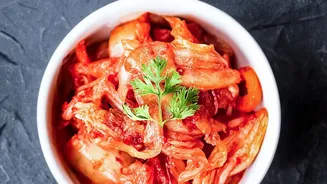
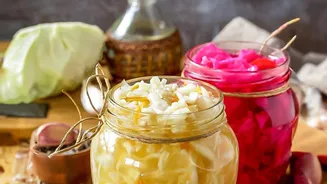
This is where traditional fermented condiments come to the rescue. Fermentation is a natural process where microorganisms like bacteria and yeast break down carbohydrates in food. This process not only preserves the food but also transforms it into a powerhouse of gut-friendly compounds. The most well-known of these are probiotics—live beneficial bacteria, such as Lactobacillus, that join the community of good microbes in your gut. These probiotics help restore balance, improve digestion, and can even help create a physical barrier against harmful bacteria. Fermentation also produces other beneficial substances, including digestive enzymes that help your body break down food more efficiently and absorb more nutrients.
Your Achaar and Chutney Toolkit
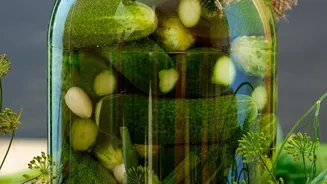
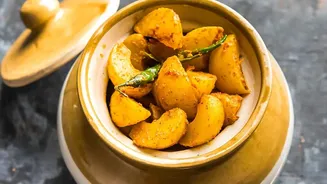
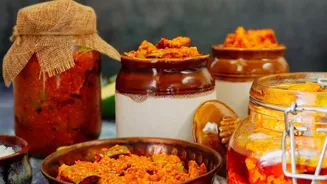
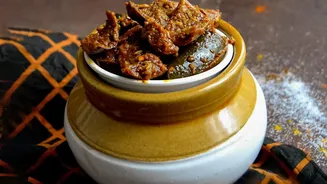
Many of the condiments already present in Indian kitchens are excellent sources of these benefits. Traditionally made pickles (achaar), which are fermented in salt and sunlight rather than preserved in vinegar, are rich in probiotics. Mango, lemon, and amla pickles, for instance, not only provide these good bacteria but also contain antioxidants and vitamins from the fruits themselves. The spices used in them, like mustard seeds, turmeric, and asafoetida (hing), have their own digestive and antimicrobial properties that support gut health. Beyond pickles, other fermented preparations like Kanji—a tangy North Indian drink made from black carrots and mustard seeds—are excellent for cleansing the gut. Even fermented bamboo shoot pickles (Khorisa) from Assam or Gundruk from the Himalayan regions offer unique microbial diversity to your diet.
How to Incorporate Them Wisely
While incredibly beneficial, moderation is key, especially since traditionally made pickles are high in salt and oil. A small spoonful served with your meals is enough to reap the rewards without overdoing the sodium. When choosing pickles, opt for homemade or traditionally prepared versions that are sun-fermented and use cold-pressed oils. These are more likely to contain live and active cultures. Many commercial pickles are pasteurised or made with vinegar, which kills off the beneficial bacteria. Pairing a small portion of pickle with dal-chawal or khichdi can aid in the digestion of a heavy meal. Similarly, incorporating fresh curd (dahi) daily is another excellent and simple way to consume probiotics. By making these small, flavourful additions to your daily diet, you can actively support and strengthen your gut's natural defences.