



Grip is Everything: Tyres and Brakes
Your car's only connection to the road is its tyres, and on wet, winding hill roads, their condition is paramount. Before you set off, inspect your tyres for adequate tread depth. A common test is to use a one-rupee coin; if the top of the Ashoka Pillar
is visible when inserted into the groove, it's time for a replacement. For monsoon safety, a tread depth of at least 3mm is recommended for better grip and to prevent hydroplaning. Also, ensure your tyres, including the spare, are inflated to the manufacturer's recommended pressure. Equally critical are your brakes. Wet roads can increase braking distances by two to three times. Listen for any squealing or grinding sounds and check your brake fluid levels. A pre-trip inspection of the brake pads and discs is non-negotiable for safe descents on steep gradients.
Visibility for Safety: Wipers and Lights
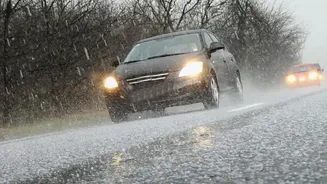
Heavy rain and fog are hallmarks of a hill station monsoon, making visibility a top safety priority. Wiper blades that are cracked or hardened from summer heat will only smear water across the windshield, dangerously obscuring your view. If your wipers leave streaks or judder, replace them immediately. Also, top up your windshield washer fluid with a proper cleaning solution, not just water, to help clear oily road grime. Your car's lighting system is just as important for seeing as it is for being seen. Walk around your vehicle and test all lights: headlights (low and high beam), tail-lights, brake lights, and indicators. In the low-visibility conditions of the hills, especially with fog, ensuring every light works perfectly is crucial for your safety and that of others.
Under the Hood: Engine and Electricals
The heart of your car needs protection from the monsoon's defining element: moisture. Water and electronics do not mix well. It's wise to have your car's battery checked, as increased use of wipers, lights, and the defogger puts extra strain on it. Ensure all wiring is properly insulated, with no exposed or frayed wires that could lead to a short circuit when driving through puddles. While you're there, check other essential fluid levels, including engine oil and coolant, to prevent overheating during steep climbs. A mechanic can also inspect door and window seals to prevent water from leaking into the cabin and damaging your car's interiors and electrical systems.
Inside the Cabin: Defogger and Emergency Kit
A common issue when driving in the rain is the windshield fogging up from the inside due to the temperature difference. Your air conditioning and defogger system must be in perfect working order to quickly clear your view. Before your trip, test the AC and the defogger on all settings. Beyond comfort, you should prepare for the unexpected. A well-stocked emergency kit is a must for any hill journey. Your kit should include a first-aid box, a powerful flashlight, a tow rope, jumper cables, and basic tools. It’s also smart to pack extra fuses, as electrical issues can be common in the rain. Having these items on hand can turn a potential trip-ending problem into a minor inconvenience.