


Multifunctional Magic
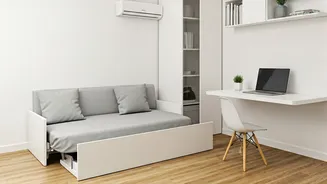
The era of the single-purpose furniture piece is fading fast. In a small home, every item needs to earn its keep. This has led to a boom in multifunctional furniture that works as hard as you do. Think of sofa beds that offer a comfortable night's sleep
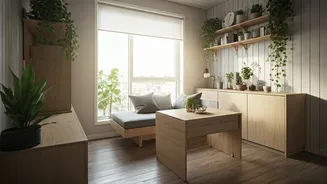
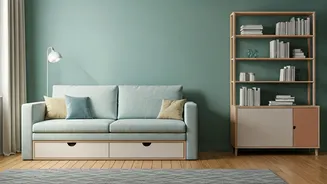
for guests, coffee tables with tops that lift to become a workstation, and storage ottomans that hide everything from blankets to magazines while providing extra seating. These pieces are the Swiss Army knives of the decor world, allowing you to transform a living room into a guest room or a dining area into a home office in moments. The goal is to reduce the number of items you own by choosing pieces that serve multiple roles, thus freeing up precious floor space and reducing clutter.
Going Vertical
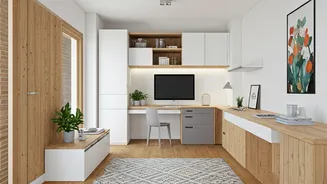
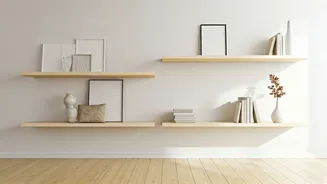
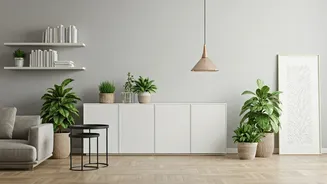
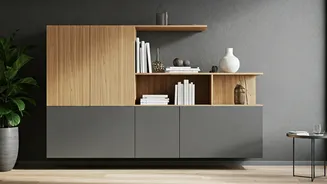
When you can't build out, you build up. This simple principle is at the heart of smart small-space design. Vertical storage is all about utilising the often-ignored real estate of your walls. Floating shelves, for example, can hold books, plants, and decor without taking up a single square inch of the floor. Wall-mounted desks can be folded away when not in use, and tall, narrow bookcases draw the eye upward, creating an illusion of height and space. Pegboards are another versatile option, offering customisable storage for kitchens, home offices, or entryways. By getting items off the floor and onto the walls, you create a space that feels more open, organised, and breathable.
The Illusion of Space
You might not be able to change your home's square footage, but you can change how it feels. Strategic use of colour, light, and mirrors can make a room feel significantly larger. Light, neutral paint colours like off-whites, soft greys, and pale blues are known to reflect light, making a space feel airy and open. Using a single, continuous colour on the walls, trim, and even the ceiling can erase visual boundaries and make a room seem endless. Mirrors are a classic trick for a reason; a large mirror can double the perceived size of a room and bounce light into darker corners. Layering your lighting with multiple sources—like floor lamps, table lamps, and wall sconces—also helps to eliminate shadows and create a sense of depth.
Minimalist Mindsets: Japandi & More
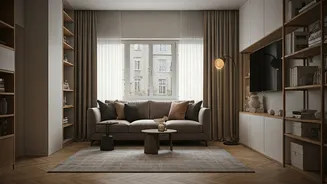
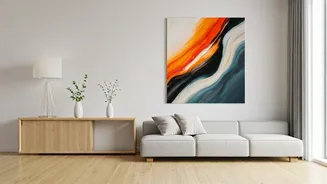
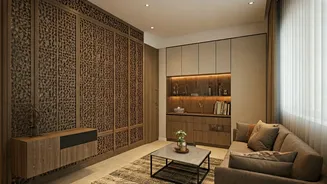
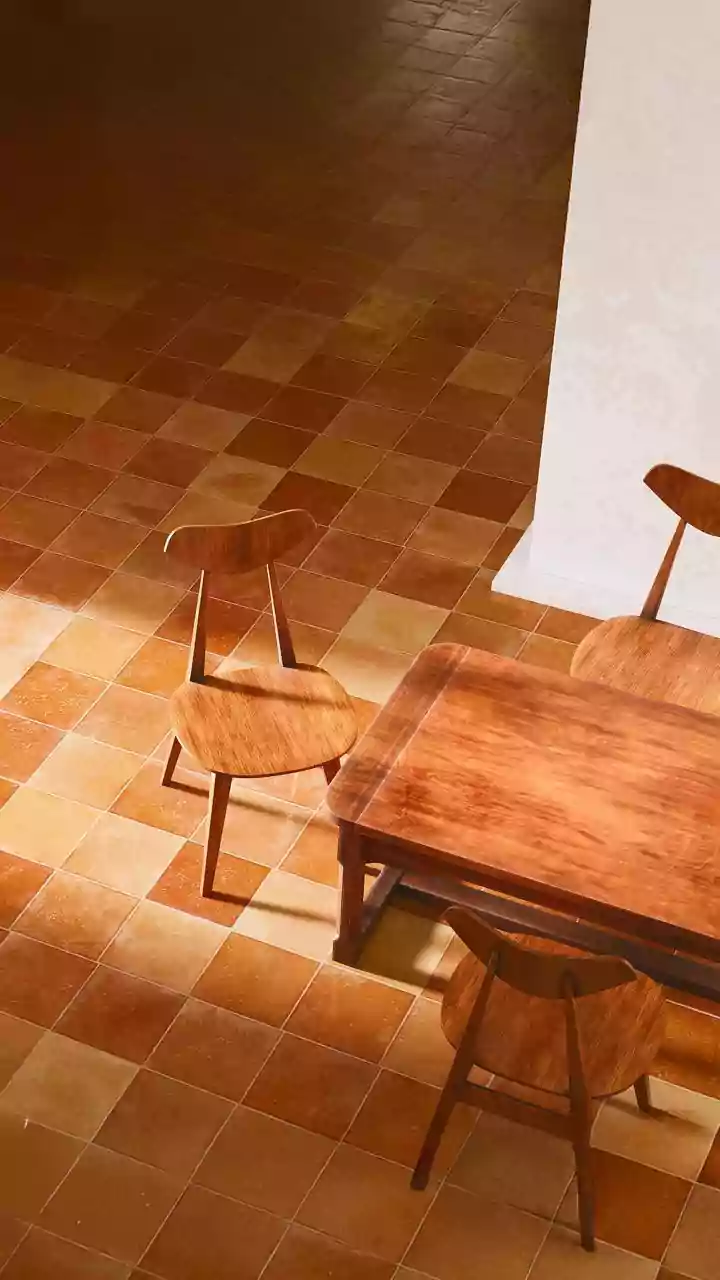
The trend towards smaller homes aligns perfectly with minimalist design philosophies, most notably Japandi—a hybrid of Japanese minimalism and Scandinavian functionality. This style prioritizes clean lines, natural materials like wood and rattan, and a clutter-free environment. It's not about stark emptiness but about intentionality. Every object has a purpose and a place. This approach encourages a 'less is more' mentality, which is essential for small-space living. By focusing on quality over quantity and embracing a calm, organised aesthetic, the Japandi trend helps create a sanctuary that feels both stylish and serene, proving that a thoughtful home is more important than a large one.
Zoning and Defining Areas
In studio apartments or homes with open-plan layouts, creating a sense of separation between different functional areas is key. This is where 'zoning' comes in. You can use furniture and decor to create distinct 'rooms' within a single space, without putting up walls. A strategically placed rug can define a living area, while a slim console table behind a sofa can signal the start of a dining space. Open-backed shelving units can act as room dividers that provide storage while still allowing light to pass through. By creating these visual cues, you give each area a clear purpose, which makes the entire home feel more organised and easier to live in.