


What is a Glacial Lake Outburst Flood?
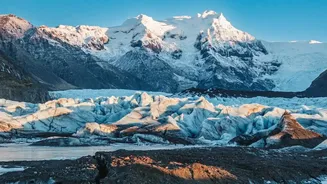
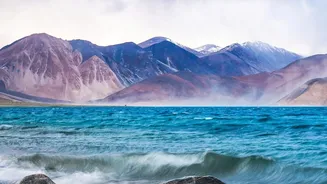
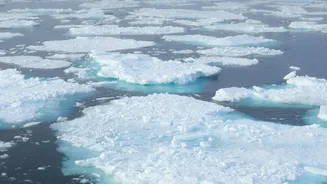
A Glacial Lake Outburst Flood, or GLOF, is a sudden and catastrophic release of water from a glacial lake. These lakes form as glaciers melt, with the water often held back by unstable natural dams made of ice or loose rock and debris called a moraine.
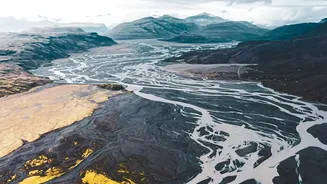
When this dam fails—due to pressure, an earthquake, or a large chunk of ice falling into the lake—it unleashes a violent torrent. This isn't just a rush of water; it's a powerful, fast-moving slurry of mud, boulders, and ice that can obliterate anything in its path downstream. The peak flow of a GLOF can be many times greater than a normal rain-fed flood, giving it immense destructive power.
A Warming Climate Increases the Danger
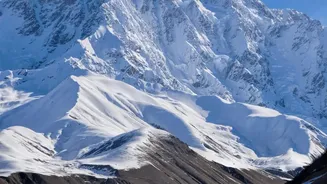
The threat of GLOFs is intensifying due to climate change. The Himalayan region is warming at a rate nearly twice the global average, causing glaciers to melt at an unprecedented pace. This rapid melting does two things: it creates new glacial lakes and causes existing ones to expand, increasing the volume of water they hold. Studies show that ice loss rates in the Himalayas have doubled since the year 2000. As these lakes grow larger and the ice or moraine dams containing them weaken, the risk of a sudden and catastrophic breach increases, making GLOFs a more frequent and severe hazard.
The Real-World Impact for Travellers
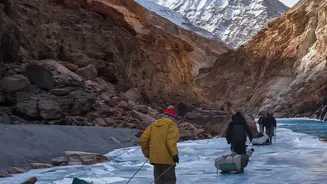
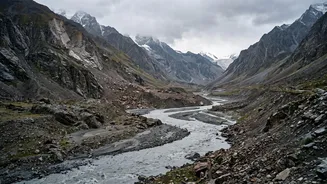
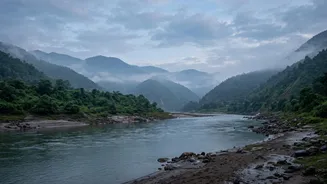
For a tourist or trekker, a GLOF is a life-threatening event that can occur with little to no warning. You could be miles downstream in sunny weather, completely unaware of a dam breach that happened hours earlier far upstream. These floods can wipe out trails, destroy bridges, and sweep away entire villages and trekking lodges located in river valleys. The 2021 Rishi Ganga flood in Uttarakhand and the 2023 Sikkim disaster are stark reminders, where critical infrastructure was destroyed and hundreds of people, including workers and locals, were killed. For travellers, this means that routes can become impassable, and areas previously considered safe, like riverside campsites, can become danger zones in an instant.
How to Plan for a Safer Himalayan Journey
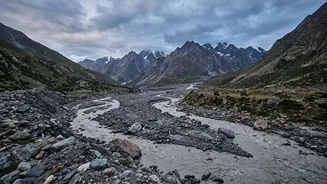
While the risk is real, it doesn't mean you should cancel your trip. Instead, it calls for smarter, more responsible travel. Start by choosing a reputable tour operator with certified guides who understand local conditions and have clear emergency protocols. Before and during your trek, pay close attention to local weather forecasts and official warnings. Learn to recognise potential danger signs, such as a sudden rise or fall in river levels or an abrupt change in the water's colour to a muddy brown. Plan your major river crossings for the morning when glacial melt is lowest, and always choose campsites on higher ground, well away from the riverbed. Finally, ensure your travel insurance explicitly covers high-altitude trekking and helicopter evacuation in an emergency.