


The Allure and the Hazard
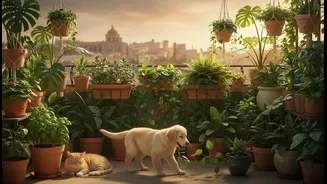
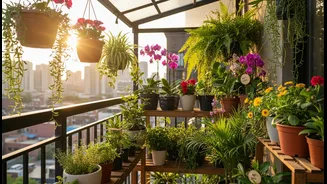
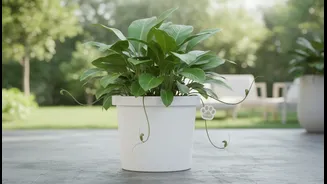
Large planters are a go-to for designers and home gardeners looking to add vertical interest and greenery. For our four-legged friends, however, they represent something entirely different. Cats, in particular, are drawn to high places and the opportunity
to survey their domain. Dogs might be attracted to the cool soil for a nap or the thrill of digging. This natural curiosity can unfortunately lead them into hazardous situations. The very size that makes these planters appealing is what can create a potential danger, from simple mischief to more serious risks.
The Primary Risk: Entrapment
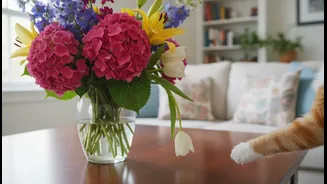
The most direct danger, especially with trendy, tall vases or planters with a narrow opening and a wider body, is entrapment. A curious cat might jump in, only to find it cannot get a grip to climb back out. The shape can make it impossible for them to stretch, jump, or find purchase, turning the decorative item into a frightening trap. One viral video showed a cat named Benny who had to be rescued by his owners after getting stuck in a 5-foot vase, highlighting a risk many pet owners may not have considered. What seems like a harmless exploration can become a genuine emergency, requiring quick action to free a panicked animal.
Beyond Entrapment: Other Hidden Dangers
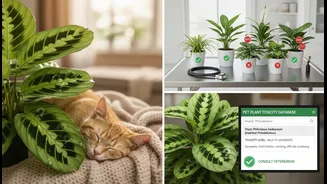
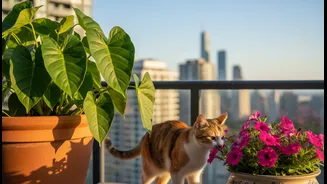
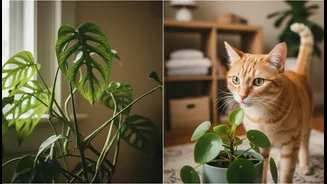
Getting stuck isn't the only concern. A top-heavy planter can be a tipping hazard, especially if a larger dog tries to jump up or a cat attempts a daring leap. This could injure your pet and cause significant damage. Furthermore, the contents of the planter matter immensely. Many common houseplants, such as lilies, sago palms, and azaleas, are highly toxic to cats and dogs. Ingesting even a small part of these plants can lead to severe illness or worse. The soil itself can also be a problem; pets might dig and make a mess, but they could also ingest fertilizers, pesticides, or cocoa mulch, which is toxic to dogs.
Choosing a Pet-Safe Planter
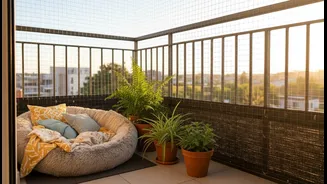
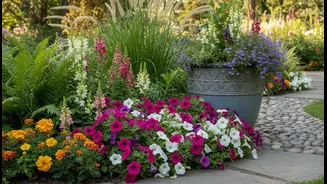
The key to harmony between pets and planters is smart selection. When shopping, prioritize a wide, heavy base that resists tipping. Materials like concrete, thick ceramic, or sturdy, untreated wood are often better than lightweight plastics. Look for planters with straight or wide-mouthed openings rather than those that taper inward. This design choice makes it less likely for a pet to become trapped. If you must have a tall, narrow planter, consider filling the bottom third with heavy rocks before adding soil to dramatically lower its center of gravity and make it harder to knock over.
Pet-Proofing Your Pots
Even with the right planter, a little extra proofing goes a long way. To stop pets from digging, you can place decorative, large, smooth stones or even pinecones on the surface of the soil. Some owners find success covering the soil with a layer of aluminum foil or using citrus peels, as cats often dislike the smell and texture. For particularly tempting plants, using raised stands can help keep them out of reach. Ultimately, selecting non-toxic plants is the most important step. The ASPCA maintains an extensive list of plants that are safe for pets, ensuring your green decor doesn't pose a health risk.