
More Than Just Fabric
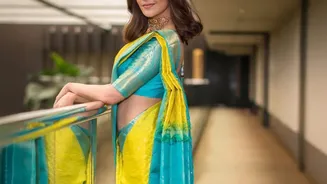
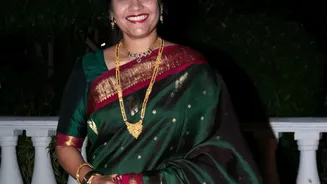
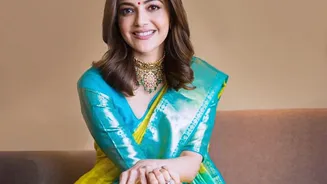
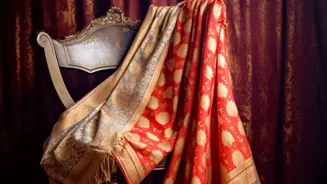
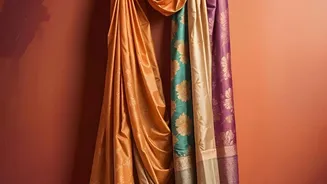
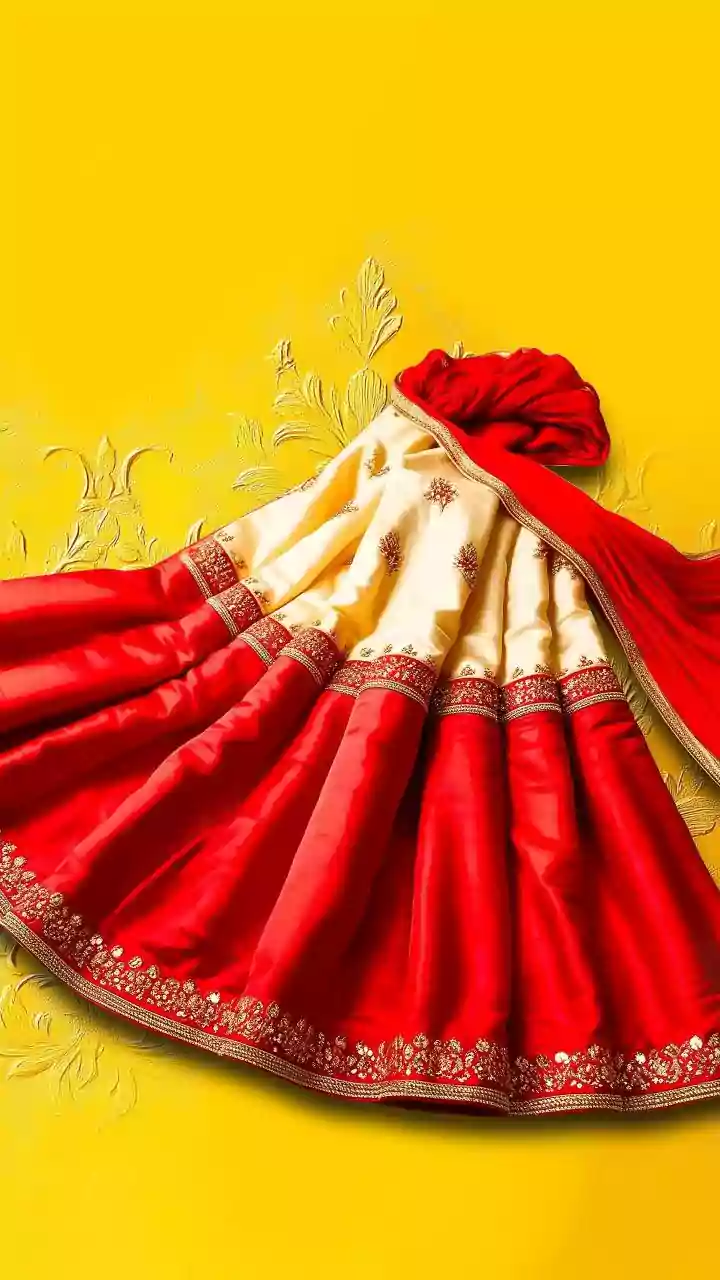
A vintage silk saree is never just six yards of fabric; it's a story woven in threads of silk and gold. It’s a grandmother’s wedding Banarasi or a mother’s Kanjeevaram worn at a long-ago festival—garments that carry the scent of memories and the weight
of blessings. For many, these sarees are too emotionally valuable to discard, yet their traditional form might feel dated for a modern wardrobe. This emotional connection is the driving force behind the upcycling movement. It allows the younger generation to honour their heritage and the memories attached to the fabric, rather than letting these beautiful textiles languish in a trunk. By giving a saree a new form, its story continues, creating a tangible link between past and present.
The Sustainable Style Statement
In an era of fast fashion, turning to upcycling is a powerful statement of sustainability. The practice of reusing old sarees has been a quiet tradition in Indian households for generations, born from frugality and respect for resources. Today, it has evolved into a chic, eco-conscious fashion trend. Upcycling directly counters the textile waste crisis by giving existing high-quality materials a second life. Many vintage silk sarees boast a level of craftsmanship and fabric purity that is rare and expensive in today's market. Transforming these durable, beautiful fabrics into new garments is not just environmentally responsible; it’s a way to own a piece of high fashion with a unique history, ensuring that nothing of value goes to waste.
From Six Yards to a Chic Set
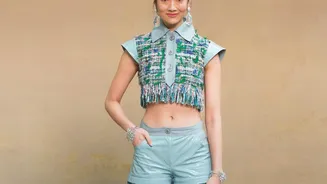
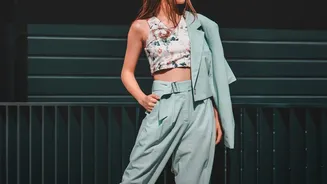
So how does a traditional saree become a modern co-ord set? The process is a blend of creativity and skilled tailoring. Coordinated sets—matching tops and bottoms—are particularly well-suited for this transformation. The generous length of a saree provides ample material. The richly decorated pallu, often the most elaborate part, can be fashioned into a statement crop top, a stylish blouse, or a corset. The remaining fabric can then be used to create matching trousers, a skirt, or shorts. Designers and bespoke tailors are adept at strategically using the saree’s borders and motifs to enhance the new silhouette, ensuring the final outfit retains the soul of the original fabric while feeling completely contemporary.
A New Language for Modern Love
The headline's mention of "young lovers" points to a particularly romantic aspect of this trend. For modern couples, creating coordinated or complementary outfits from family heirlooms can be a deeply meaningful gesture. Imagine a couple crafting matching jackets or complementary co-ord sets from a grandmother’s saree. This act transforms a personal legacy into a shared one, weaving their individual histories together. It’s a sartorial symbol of two families becoming one, a modern expression of commitment that honours tradition while celebrating a shared future. It’s a way of saying, "Our story is now woven together," making it a uniquely personal and stylish statement for weddings, anniversaries, or special celebrations.
Bringing Your Own Story to Life
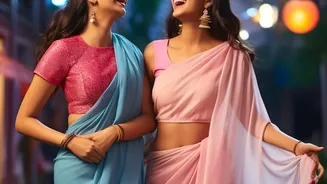
For those inspired to create their own upcycled piece, the journey begins with selecting a saree and a vision. The key is to match the fabric to a modern silhouette that you will genuinely wear. Lightweight crepes and georgettes are great for flowing co-ords, while heavier silks like Banarasi or Kanjeevaram can be structured into stunning jackets and lehengas. Many boutiques and independent designers now specialise in upcycling, working with clients to transform their treasured sarees into custom outfits. Whether it’s a full co-ord set, a stylish jacket, or even accessories like potli bags, upcycling allows you to wear your heritage with pride and modern flair.