







Create Your Festival Blueprint
The first step toward a stress-free Ganeshotsav is to create a comprehensive budget. This isn't about limiting devotion; it's about celebrating smartly. Many people only account for the cost of the idol, but expenses extend much further. Sit down and
list all anticipated costs: the murti, puja essentials, decorations, new clothes, special foods like modak, and hosting guests. Don't forget smaller items like travel for pandal visits or community donations. Assigning a realistic spending limit to each category provides a clear roadmap and helps prevent impulse buys that can quickly add up. Some families find it helpful to start a dedicated festival fund months in advance, setting aside a small amount from their monthly income. This proactive approach ensures you have the necessary funds without dipping into emergency savings.
The Idol: A Mindful Centrepiece
The Ganesh murti is the heart of the celebration, but its cost can vary dramatically. Prices can range from a few thousand rupees to upwards of ₹50,000, depending on size, material, and design. Traditional clay (shadu mati) idols are often more affordable and are environmentally friendly, as they dissolve naturally in water. Plaster of Paris (PoP) idols, while common, can be more expensive and pose an environmental hazard. When selecting an idol, consider the overall cost and environmental impact. An eco-friendly choice not only aligns with a message of responsibility but can also be lighter on the wallet, proving that devotion doesn't need to be extravagant.
Decorations: Creativity Over Cost
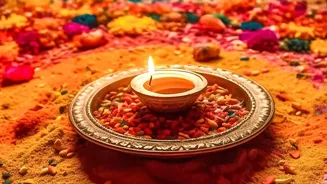
Decorations and lighting can be a significant expense, sometimes costing between ₹10,000 and ₹30,000. However, this is an area where creativity can lead to big savings. Instead of buying new items each year, reuse lights, fabrics, and other decor from previous festivals. DIY decorations add a personal, heartfelt touch. You can create beautiful backdrops using colourful old sarees or dupattas, make paper flowers, or use natural elements like mango leaves and marigolds. Involving the whole family in making decorations can become a cherished pre-festival tradition. Even simple, homemade rangoli using turmeric and other natural powders can be vibrant and cost-effective.
Puja, Prasad, and Feasting
Hospitality is central to Ganesh Chaturthi, but the costs of puja essentials and food for guests can add up quickly. Puja items like flowers, fruits, and incense can see price spikes during the festive season due to high demand. Plan to buy non-perishable items in advance to avoid last-minute price hikes. Food, including sweets and prasad, can be another major expense category. Preparing sweets like modaks and other snacks at home is a great way to save money and add a personal touch. If you plan on hosting a large gathering, consider organizing a potluck where guests contribute a dish. This spreads the cost and effort, fostering a more communal celebration.
Gifts and New Attire
The tradition of buying new clothes and exchanging gifts can also strain a festival budget. It's important to be mindful and plan these purchases. Instead of a last-minute shopping spree, look for sales and discounts well before the festival begins. Creating a clear shopping list and sticking to it helps avoid impulse buys. You can also explore thrift stores or online marketplaces for unique and budget-friendly festive wear. When it comes to gifts, remember that thoughtfulness is more valuable than price. Consider handmade presents or a batch of your homemade sweets as meaningful tokens for friends and family.