







The Rise of the Mini-Break
Forget blocking out a fortnight in your calendar months in advance. The new mantra for a growing number of Indian travellers is to go small and go often. A micro-holiday is typically a short getaway, lasting anywhere from one to four nights. It often involves
taking advantage of a long weekend or simply adding a Friday or Monday to a regular weekend. Instead of one big trip, people are opting for several smaller ones throughout the year. Recent travel data highlights this shift, showing a preference for multiple short trips over a single long vacation. This trend, dubbed the 'Micro-Holiday Economy', signifies a fundamental change where travel is evolving from a special occasion into a regular habit. The average domestic trip is becoming shorter, and booking windows are shrinking, with many trips planned just days or even hours before departure.
A Response to Modern Work Life
One of the biggest drivers behind this trend is the changing nature of work. In a world of corporate burnout and the constant pressure to be connected, long vacations can feel daunting to plan and even more stressful to return from. Micro-holidays offer a more manageable solution, providing regular breaks to beat the monotony without requiring extensive leave approvals. The post-pandemic rise of remote and hybrid work models has further accelerated this shift. With the newfound flexibility to work from anywhere, professionals can blend work and leisure, turning a scenic destination into a temporary office—a phenomenon often called a 'workcation'. This flexibility allows travellers to escape the city more frequently, even if it's just for a few days to work with a better view.
Gen Z and Millennials Lead the Charge
Younger generations, particularly Gen Z and millennials, are at the forefront of the micro-holiday movement. For them, travel is less about ticking off landmarks and more about collecting experiences, making shorter, more immersive trips appealing. According to a recent Airbnb report, a staggering 87% of Indian Gen Z travellers now prefer short trips and weekend breaks over long holidays, with many opting for three short getaways over one annual vacation. This demographic is highly intentional about their travel, valuing personal and unique experiences over viral trends. They are also more spontaneous, with two-thirds booking their trips just weeks or even days in advance. This generation prioritises companionship and shared moments, often choosing a destination based on the quality of the stay rather than the location itself.
Accessibility Makes It Possible
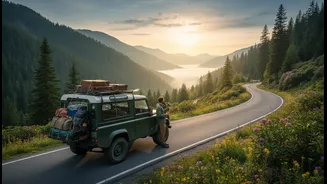
The micro-holiday trend wouldn't be possible without significant improvements in infrastructure and accessibility. Enhanced road connectivity and the proliferation of budget airlines have made it easier and faster to reach destinations that were previously a major journey. This has opened up a host of 'drivable destinations' and staycation spots close to major metro cities. Travellers from Mumbai can easily escape to Alibaug or Lonavala, while those in Delhi have options like Rishikesh and Jaipur for a quick break. Similarly, Bangaloreans often head to Coorg or Nandi Hills. This boom in domestic tourism, which has seen local trips nearly triple in the last decade, has led to a surge in boutique hotels, homestays, and unique properties catering specifically to the weekend traveller.
How the Industry Is Adapting
The travel and hospitality industry has been quick to respond to this shifting demand. Hotels and travel companies are increasingly offering curated weekend packages, last-minute deals, and experiences tailored for short stays. There's a noticeable trend of travellers, despite shorter trip durations, spending more on quality and premium experiences. Reports show that nearly two-thirds of hotel bookings for these short trips are for four and five-star properties. This indicates that travellers are seeking concentrated luxury. From promoting nearby destinations to highlighting pet-friendly or child-friendly amenities, the focus is on catering to the spontaneous and diverse needs of the modern Indian traveller. Even spiritual and wellness destinations like Rishikesh and Varanasi are seeing massive growth as people seek quick breaks for adventure and rejuvenation.