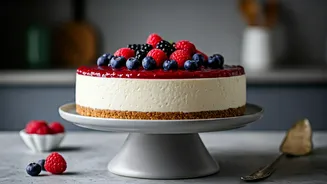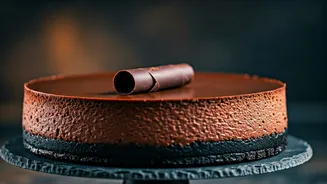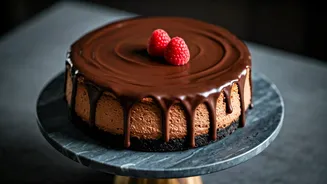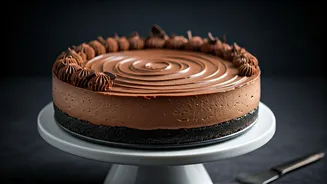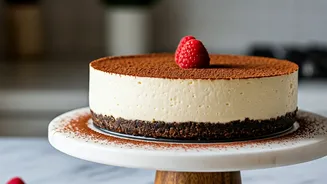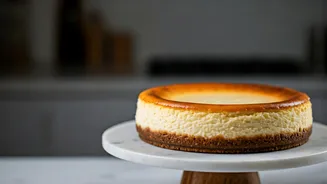




The Philosophy of Creaminess
Before you even touch a block of cream cheese, understand the three pillars of a truly creamy cheesecake. First, temperature is everything. All your dairy and eggs must be at true room temperature to combine seamlessly. Second, resist the urge to over-mix.
Beating too much air into the batter is the primary cause of puffing, cracking, and a soufflé-like texture instead of a dense, rich one. Finally, gentle heat is your best friend. A cheesecake is a custard, and it must be coddled with low, moist heat, not blasted in a hot oven. Master these principles, and you've already won half the battle.
Gathering Your Ingredients
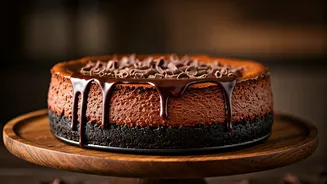
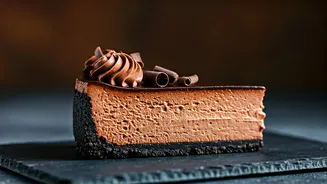
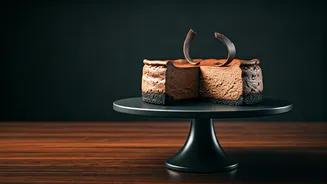
A flawless outcome starts with the right building blocks. For the crust, you’ll need 200g of chocolate biscuits (like Oreos) crushed finely and 6 tablespoons of melted unsalted butter. For the star of the show, the filling, you need: 900g of full-fat, block-style cream cheese (do not use the whipped or low-fat tub variety); 250g of granulated sugar; 200g of high-quality dark chocolate (60-70% cacao), melted and slightly cooled; 4 large eggs, at room temperature; 2 teaspoons of vanilla extract; a pinch of salt; and 200ml of sour cream or heavy cream, also at room temperature. The quality of your chocolate makes a huge difference, lending depth and flavour that cocoa powder alone cannot match. The sour cream adds a final, silky tang that balances the richness.
The Step-by-Step Method
First, prepare the crust. Combine the crushed biscuits and melted butter, then press firmly into the base of a 9-inch springform pan. Bake at 180°C (350°F) for 10 minutes, then set aside to cool completely. For the filling, beat the room temperature cream cheese and sugar on low speed with an electric mixer until just smooth—no lumps. Scrape down the bowl. Add the melted chocolate and mix on low until just combined. Add the eggs one at a time, mixing on low only until the yellow disappears after each addition. Finally, stir in the vanilla, salt, and sour cream. The final batter should be thick, smooth, and uniform. Pour it over your cooled crust.
Mastering the Water Bath
The water bath, or bain-marie, is non-negotiable for a creamy, crack-free cheesecake. It creates a humid environment in the oven, allowing the cheesecake to bake gently and evenly. To prepare, wrap the outside of your springform pan with two or three layers of heavy-duty aluminium foil, ensuring it comes well up the sides. This is your waterproofing. Place the wrapped pan in a larger roasting tin. Pour the prepared batter into the crust. Carefully pour boiling water into the larger roasting tin until it comes about halfway up the sides of your cheesecake pan. Now you’re ready to bake.
The Bake and The Crucial Cool-Down
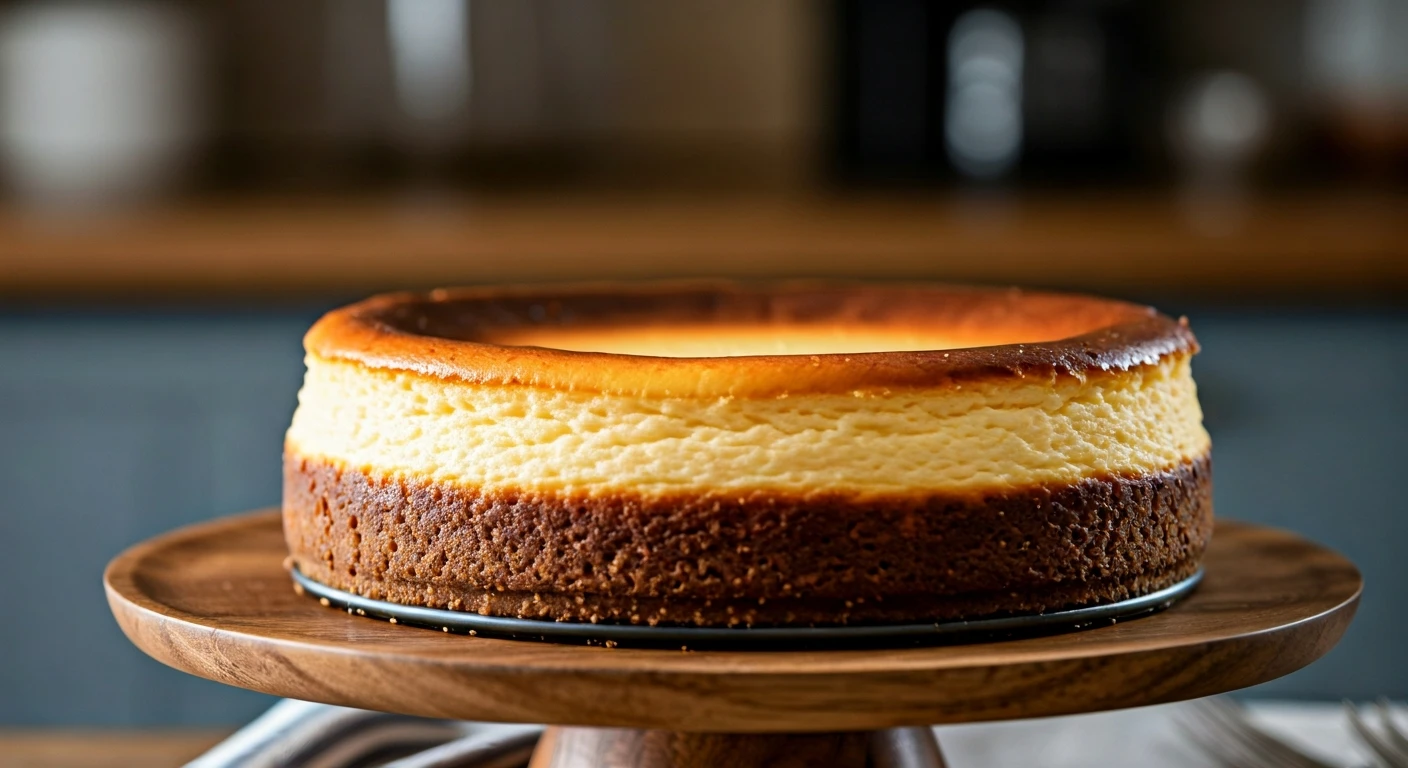
Bake the cheesecake in a preheated oven at 160°C (320°F) for about 60 to 75 minutes. The cheesecake is done when the edges are set, but the centre 2-3 inches still have a slight wobble, like jelly. Do not over-bake. Now for the most important part: the cooling process. Turn off the oven, crack the door open with a wooden spoon, and leave the cheesecake inside for one full hour. This gradual temperature drop prevents the dreaded centre crack. After an hour, remove the cheesecake from the oven and the water bath, and let it cool completely on a wire rack for another 2-3 hours. Finally, cover it loosely and chill in the refrigerator for at least 6 hours, but preferably overnight. This long chill is essential for the cheesecake to set fully and for its flavour and texture to mature.