






The Trillion-Dollar Prize
The global space economy is undergoing a massive transformation, shifting from a government-led domain to a burgeoning commercial marketplace. Projections estimate the industry could be worth between $1 trillion and $1.8 trillion by the mid-2030s. India,
despite its impressive technical capabilities, currently accounts for only about 2-3% of this global pie, with a space economy valued at around $8.4 billion. However, the government has set an ambitious target: to increase India's share to 8-10% and expand the domestic space economy to $44 billion by 2033. Achieving this exponential growth is impossible with a state-run monopoly. The sheer volume of satellite deployments, data services, and in-orbit applications required demands a far greater launch capacity than any single agency can provide.
ISRO's Strategic Pivot
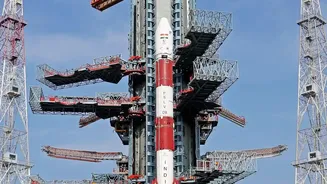
Recognizing this reality, the Indian government has initiated a landmark policy shift. The Indian Space Policy 2023, along with bodies like the Indian National Space Promotion and Authorisation Centre (IN-SPACe), is designed to transition the Indian Space Research Organisation (ISRO) from a manufacturer to an enabler. ISRO will now focus on pioneering research, deep-space exploration, and developing next-generation technologies. Meanwhile, the routine but critical work of building and launching operational rockets like the PSLV, LVM3, and SSLV is being transferred to private industry consortia. This strategic handover is not just about offloading work; it's about freeing up ISRO's invaluable expertise for bigger, more complex missions while empowering a new ecosystem of commercial players to scale up production and increase launch frequency.
Competition Drives Innovation and Lowers Costs
For decades, ISRO has been the sole provider of launch services in India. The entry of private companies introduces competition, a powerful catalyst for innovation and cost reduction. Startups like Skyroot Aerospace and Agnikul Cosmos are already making headlines. Skyroot became the first Indian private company to launch a rocket into space, with its Vikram-1 mission successfully deploying a payload. Agnikul has developed the world's first single-piece 3D-printed rocket engine, dramatically cutting down production time and complexity. These companies are not just replicating existing technology; they are pioneering new manufacturing techniques, propulsion systems, and business models focused on speed and efficiency. This competitive pressure will ultimately lead to cheaper, more frequent, and more accessible launch options for satellite operators both in India and around the world, making India a more attractive launch destination.
Building a Full-Stack Space Ecosystem
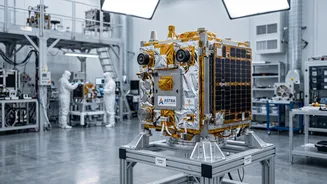
A robust launch sector is the foundation upon which the entire space economy is built. Without reliable and affordable access to orbit, downstream businesses—such as satellite internet, Earth observation, and data analytics—cannot flourish. India has seen a boom in space startups, with over 400 now active in areas ranging from satellite manufacturing (Dhruva Space) to hyperspectral imaging (Pixxel) and space debris tracking (Digantara). These companies need a domestic launch market that can meet their needs for rapid and customised deployments. Relying solely on ISRO, which has its own national priorities, creates a bottleneck. A diverse field of private launch providers ensures that this vibrant ecosystem of satellite and data companies has the support it needs to grow and compete globally.
Navigating the Hurdles Ahead
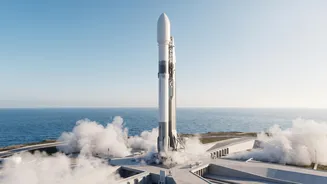
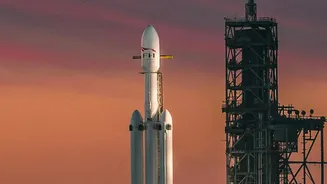
The path to a fully commercialised space sector is not without its challenges. Private companies still face significant hurdles, including access to capital for long and expensive development cycles, the need for more advanced testing facilities, and a shortage of highly specialised talent. While policy reforms have opened doors, a comprehensive and legally codified Space Activities Act is still needed to provide long-term regulatory certainty for investors and operators. Furthermore, Indian companies face stiff competition from established international players like SpaceX. Overcoming these obstacles will require sustained government support, strategic investment in infrastructure, and a focus on nurturing a skilled workforce to ensure that engineering execution keeps pace with ambitious public relations.