


Delhi's iconic Yamuna is getting a fresh lease on life as a destination for recreation and tourism. A new electric cruise and riverfront activity zone has opened, promising residents and visitors a brand-new way to experience the city's lifeline.
A New Chapter for the Yamuna
Delhi
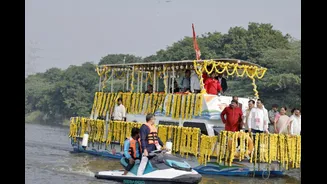
has officially launched a new tourism project on the Yamuna river, inaugurated at Sonia Vihar on November 10, 2026. Named the 'Namo Yamuna River Safari', the initiative introduces a recreational cruise service and a host of riverfront attractions. The project, spearheaded by the Inland Waterways Authority of India (IWAI) in collaboration with several Delhi government departments, aims to transform a stretch of the river into a bustling hub for tourism and leisure. It marks a significant step in long-term plans to develop the Yamuna, designated as National Waterway-110, and reconnect the capital's populace with its historic river.
All Aboard the Electric Cruise
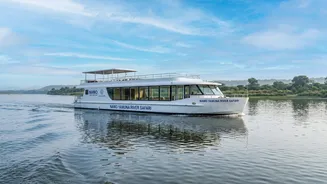
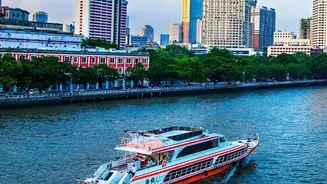
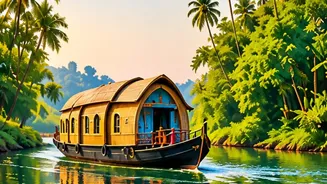
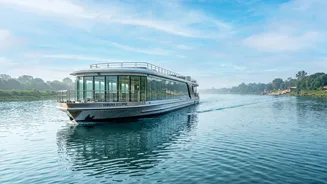
The centrepiece of the new attraction is a 30-seater electric cruise vessel. This eco-friendly boat offers visitors a scenic round-trip journey of approximately six kilometres between Sonia Vihar and Jagatpur, which takes about 45 minutes. The decision to use an electric vessel is a deliberate nod towards sustainability, aiming to provide a clean and quiet experience on the water without contributing to pollution. The fare for the cruise is reportedly ₹500 for adults, with an additional entry fee of ₹50 to access the premises. The service operates from 9 a.m. to 9 p.m., with the last cruise departing at 8 p.m.
More Than Just a Boat Ride
Beyond the cruise itself, the Sonia Vihar site has been developed into a comprehensive recreation zone designed for families and tourists. A major highlight is a musical fountain with a coordinated light and sound show held in the evenings, which narrates the mythology and cultural history of the Yamuna, including tales of Lord Krishna. The zone also includes a food court, commercial shops, a dedicated children's play area, and even adventure activities like rock climbing and skating. This transforms the riverfront from a simple scenic spot into a full-fledged destination where visitors can spend several hours.
Context and Environmental Concerns
The project is being celebrated as a move to revitalise the Yamuna, but it also exists within the complex reality of the river's ecological state. The stretch of the Yamuna in Delhi has long been plagued by severe pollution, with officials noting that the section downstream from Wazirabad receives enormous quantities of untreated waste. This new project is situated on the cleaner, upstream stretch near the Wazirabad barrage. While the use of an electric vessel is a positive step, environmental groups have previously raised concerns about large-scale riverfront development, arguing that the focus must remain on ecological restoration, floodplain protection, and improving water quality before extensive concretisation. This project, therefore, represents a delicate balance: an attempt to foster public appreciation for the river while the much larger, more difficult work of cleaning it continues.
The Vision for Riverfront Development
This cruise is part of a broader vision to develop Delhi's riverfront, drawing inspiration from projects like the Sabarmati Riverfront in Ahmedabad. The goal is to create accessible public spaces—including parks, walking paths, and cycle tracks—that allow citizens to engage with the river in their daily lives. Officials hope that by creating positive, clean, and safe experiences on the Yamuna, it will build public momentum and support for the river's complete rejuvenation. The Namo Yamuna River Safari is positioned as the first tangible step in this direction, a symbol of what a cleaner, more accessible river could offer the city.