





A Sign of Deeper Trouble
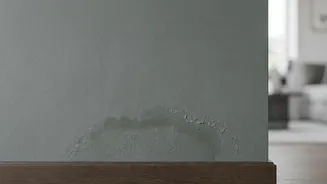
A damp patch is more than just an unsightly blemish; it is your home's way of signalling that unwanted water is getting in. Whether it’s from a leaky pipe, a crack in the exterior wall, or moisture rising from the ground, the patch itself is just the tip
of the iceberg. Painting over it is like taking a painkiller for a broken bone – it hides the symptom without addressing the cause. Water can travel from the source, meaning a damp patch on a living room wall could be from a bathroom leak one floor above. Until the source of the water is found and fixed, the problem will only continue to grow, silently causing more damage behind the scenes.
The Hidden Health Hazards
One of the most compelling reasons to tackle damp immediately is the risk it poses to your family's health. Damp environments are perfect breeding grounds for mould, mildew, and bacteria. These organisms release spores into the air that, when inhaled, can cause or worsen a range of health issues. The World Health Organization links indoor dampness to a significant increase in respiratory problems, including coughing, wheezing, and asthma-related symptoms. Studies have shown exposure can increase the risk for asthma development by 30-50%. For children, the elderly, and those with weakened immune systems, the risks are even greater, with potential effects including skin irritation, allergic reactions, and serious lung infections.
A Threat to Your Home's Structure
Water is a powerful force of decay. When moisture is allowed to persist inside your home's structure, it begins a destructive process. Water can weaken and soften drywall, causing it to crumble or collapse. It saturates wooden beams and floor joists, leading to rot that compromises the structural integrity of your entire home. You might notice floors beginning to sag, walls starting to bow, or door frames shifting. Furthermore, damp can cause metal components like pipes and electrical wiring supports to rust and corrode, creating additional hazards. What starts as a patch can eventually lead to the need for major, expensive reconstruction.
Understanding the Common Culprits
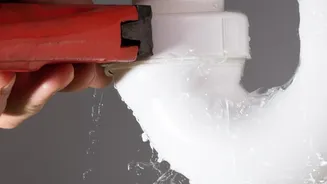
In Indian homes, dampness often stems from a few common issues. Penetrating damp is frequently caused by rainwater seeping through cracks in external walls or a damaged roof, especially during monsoon season. Rising damp occurs when groundwater travels up through the masonry because of a failed or absent damp-proof course. Leaking plumbing is another major, often hidden, cause, with faulty pipes in walls or under floors slowly releasing water. Finally, condensation from everyday activities like cooking and bathing can become a problem in poorly ventilated rooms, creating surface moisture that leads to mould.
The Financial Cost of Waiting
Ignoring a damp patch is a false economy. While the initial cost of an investigation and repair might seem like an unwelcome expense, it is minimal compared to the costs of waiting. A simple pipe repair might cost a few thousand rupees, but allowing that leak to continue can lead to tens of thousands in structural repairs and mould remediation. The average insurance claim for water damage can run well over ₹10,00,000. Moreover, persistent damp problems can significantly reduce your property's value and may even lead to denied insurance claims if it's determined you neglected to take reasonable steps to mitigate the damage.