




What Exactly Is Vermicompost?
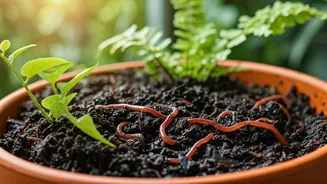
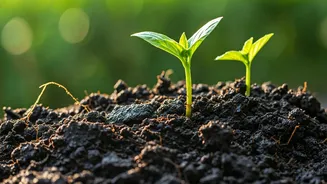
Vermicompost, often called worm castings, is a rich organic fertilizer produced by earthworms. [10, 17] As worms digest organic matter like kitchen scraps and farm waste, they transform it into a dark, crumbly, nutrient-packed material that looks and feels
like fertile soil. [10, 11] This process concentrates essential plant nutrients like nitrogen, phosphorus, and potassium (NPK) into forms that are easily absorbed by plants. [6, 7] Unlike synthetic fertilizers, it's a living amendment, teeming with beneficial microbes that improve overall soil health. [9, 13, 17]
The Unique Challenges of Monsoon Gardening
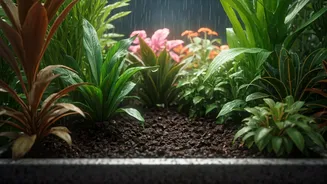
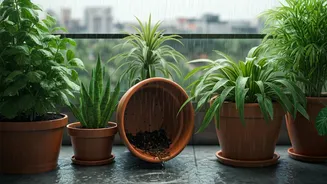
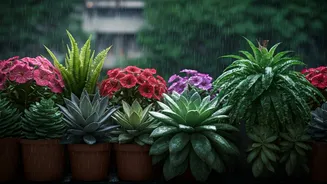
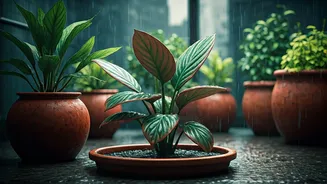
While the rains are a blessing, they also create specific problems for garden plants. Heavy downpours can compact the soil, leading to waterlogging that suffocates roots. [12] Constant rain also leaches essential nutrients from the soil, washing them away before plants can use them. [15] Furthermore, the high humidity and damp conditions create a perfect breeding ground for fungal diseases and pests, which can quickly damage otherwise healthy plants. [3, 15] Without intervention, many plants struggle to achieve vigorous growth during this season.
Why Vermicompost Is the Monsoon Solution
Vermicompost is uniquely suited to tackle every one of the monsoon's challenges. Its excellent physical structure improves soil aeration and drainage, which is crucial for preventing root rot in waterlogged pots. [8, 9] The humus in vermicompost helps soil retain moisture without becoming soggy and also prevents nutrients from being washed away by heavy rains. [3, 13] It provides a slow, steady release of balanced nutrients, replenishing what the rain washes out. [12, 15] Moreover, the beneficial microbes in vermicompost can help suppress soil-borne pathogens and strengthen a plant's natural immunity against fungal attacks. [3, 13, 14]
How to Use Vermicompost for Monsoon Success
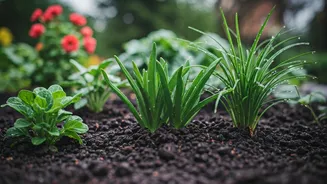
Applying vermicompost is simple and effective. The best time is just before a moderate rainfall, which helps nutrients penetrate to the root zone. [1] For potted plants, the two main methods are top dressing and creating a potting mix. For top dressing, simply add a layer of 1-2 handfuls (about 100-200 grams) around the base of established plants every 3-4 weeks. [12, 19] Gently mix it into the topsoil and let the rain or a light watering carry the nutrients down. When potting new plants for the season, create a supercharged growing medium by mixing 1 part vermicompost with 2-3 parts garden soil and 1 part sand or cocopeat for added drainage. [2] This gives new plants the best possible start.
Which Plants Benefit the Most?
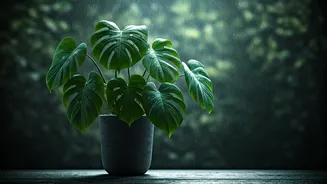
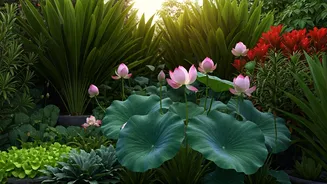
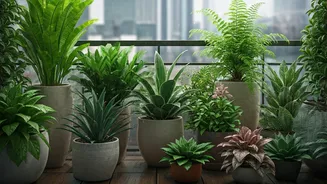
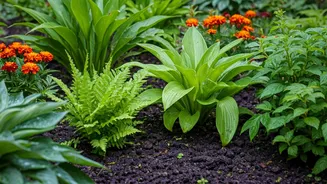
Virtually all plants love vermicompost because it is gentle and pH balanced. [12] However, some show particularly dramatic results during the monsoon. Flowering plants like hibiscus, roses, marigolds, and jasmine produce more abundant and vibrant blooms. [12, 19] Kitchen garden favourites such as tomatoes, chillies, spinach, and coriander will show improved yield and flavour. [19] Even indoor plants like money plants and snake plants benefit from the improved soil structure and gentle nutrition, keeping their leaves lush and green. [19]