







The Science of October's Gentle Sun
The secret to October's gardening success lies in the quality of its light. After the monsoon, the air is clearer, and the sun's angle is lower in the sky. This means plants receive bright, indirect light for several hours, rather than the scorching,
direct overhead sun of summer. This gentler light is less stressful for plants, reducing the risk of leaf burn and dehydration. It provides all the energy needed for photosynthesis and flower production without overwhelming the plants. Temperatures are also ideal, typically ranging between 15°C and 25°C, which many flowering plants, including marigolds and chrysanthemums, prefer.
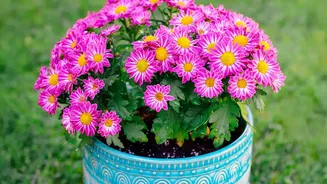
Chrysanthemums: The Queens of Autumn
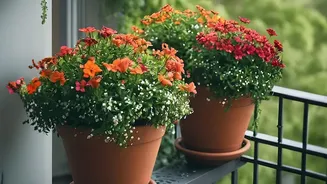
Chrysanthemums, known locally as 'Guldaudi', are classic autumn flowers for a scientific reason: they are 'short-day' plants. This means they require long, uninterrupted nights to trigger their bloom cycle. As the days naturally shorten leading into October, these plants receive the perfect signal to start producing buds. The ample but mild sunlight during the day provides the energy to develop these buds into large, vibrant flowers that can last through winter. They thrive in at least five to six hours of daily sun, and an east-facing balcony that receives gentle morning light is often considered ideal.
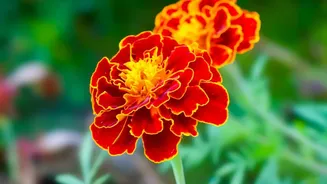
Marigolds: A Burst of Sunshine
Marigolds ('Genda') are true sun-lovers, needing at least six to eight hours of direct sun daily to produce their iconic, cheerful blooms. While they can tolerate the intense heat of Indian summers, they often perform best when the temperature is milder. October provides the perfect balance: plenty of sunshine without the extreme heat that can stress the plants and cause smaller, less frequent flowers. The soil, having cooled after the monsoon, provides a welcoming environment for seeds or saplings planted in September or early October, allowing them to establish strong roots and flourish through the festive season.
Your Balcony Action Plan
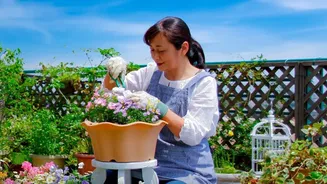
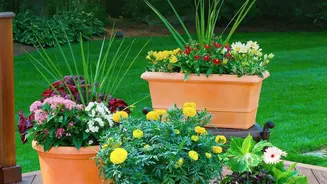
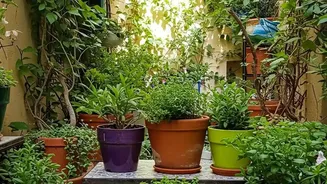
Ready to turn your balcony into a floral paradise? First, select the right containers. Terracotta pots around 6-8 inches deep are excellent as they allow for good air circulation and prevent waterlogging. Ensure every pot has drainage holes. For the soil, use a well-draining mix. A simple combination of garden soil, compost for nutrients, and sand or coco peat to improve aeration works wonders for both chrysanthemums and marigolds. If you are using seeds, sow them about half a centimetre deep. If using saplings from a nursery, plant them at the same depth they were in their original container.
Watering and Care Essentials
Proper watering is crucial. Water your new plants immediately after potting and keep the soil consistently moist until you see new growth. Afterwards, water only when the top inch of the soil feels dry to the touch. Overwatering is a common mistake and can lead to root rot, especially in potted plants. To encourage more flowers, practice 'deadheading'—pinching off faded or dried blooms. This redirects the plant's energy into producing new buds instead of seeds. For chrysanthemums, pinching the tips of stems in their early growth phase can promote a bushier, fuller plant.