




The days of the single-use wedding outfit are numbered. For 2026, brides and guests alike are rewriting the rules, prioritising smart, sustainable style that lasts long after the celebrations end. Enter the era of trans-seasonal fabrics.
The New Wedding Wardrobe Philosophy
For generations,
wedding attire was synonymous with one-time wear—a beautiful, expensive outfit preserved in a box. The 2026 approach is radically different. Driven by a blend of economic sense and ecological awareness, shoppers are now seeking outfits with longevity. The focus has shifted from a dress for a day to an investment piece for a lifetime. This new philosophy champions modular designs, like detachable sleeves or overskirts, and separates that can be styled differently for future events. It's no longer just about the wedding day look, but about how a beautiful garment can be integrated into a permanent wardrobe. This has paved the way for bridesmaid dresses that are genuinely re-wearable and guest outfits that seamlessly transition from a wedding to a dinner party.
Decoding Trans-Seasonal Fabrics
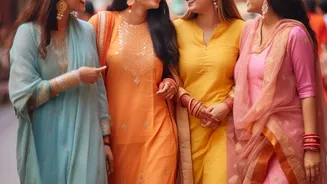
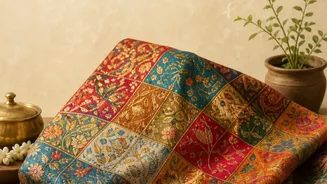
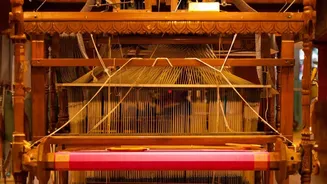
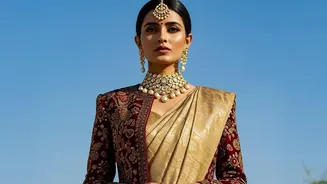
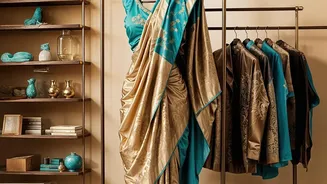
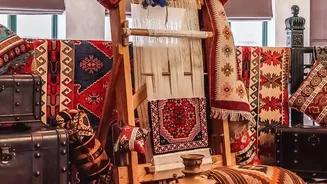
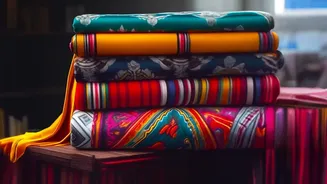
So, what exactly are trans-seasonal fabrics? They are textiles that offer comfort and style across different climates and seasons, making them perfect for the unpredictability of a wedding day and for wear throughout the year. Think less about heavy, winter-only velvets or ultra-light summer linens and more about the versatile middle ground. Fabrics like silk crepe, with its beautiful drape and matte finish, are leading the charge. Similarly, high-quality satin, organza, and lightweight crepe offer structure and elegance without being too heavy for a warm day or too flimsy for a cool evening. In India, this trend sees a renewed appreciation for natural, breathable materials like handloom silks, Chanderi, and organic cottons, which are celebrated for their comfort and timeless appeal in any weather.
The Allure of Sustainability
The shift towards rewearable fashion is deeply rooted in sustainability. A growing number of consumers, particularly younger ones, are acutely aware of the fashion industry's environmental impact. Choosing a wedding outfit that can be worn again is a powerful and personal way to combat the throwaway culture associated with event dressing. It’s a vote for 'fewer, better things'. By opting for natural, biodegradable fibres like silk, organic cotton, or linen, shoppers are making a conscious choice to reduce their environmental footprint. This mindset extends beyond the fabric to ethical production, with a rising demand for handcrafted pieces that support local artisans and traditional skills over mass-produced garments.
A Question of Economic Sense
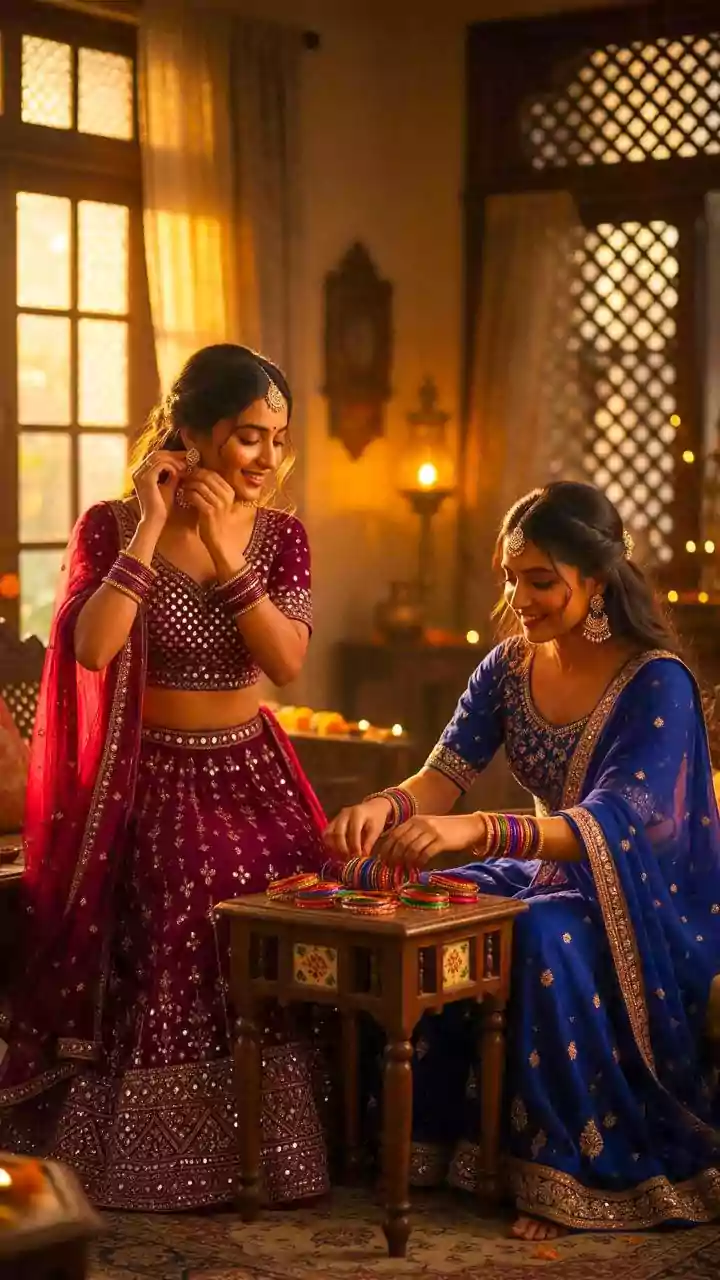
With the cost of weddings continuing to rise, financial savvy is a major driver of this trend. A wedding outfit is a significant expense, and the ability to wear it multiple times drastically improves its costperwear value. Instead of splurging on an elaborate lehenga or gown that will never see the light of day again, the modern shopper sees the wisdom in investing in a highquality, versatile piece. This could be a chic jumpsuit, a classic silk saree, or a minimalist gown that can be restyled with different accessories for various occasions. This pragmatic approach doesn't mean sacrificing glamour; it means choosing glamour that pays for itself over time.
How to Wear the Trend
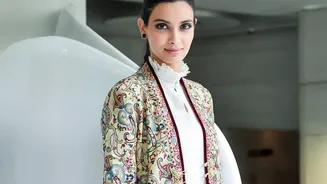
Embracing rewearable wedding fashion is all about strategic choices. For brides, this might mean a gown with detachable elements—like a removable train or sleeves—that creates two distinct looks for the ceremony and reception. Another popular option is bridal separates, such as a stylish top paired with a skirt, which can be worn individually later. For guests, the key is to select classic silhouettes in highquality, transseasonal fabrics. A wellcut silk midi dress, a tailored pantsuit, or an elegant crepe gown can be dressed up or down for years. The goal is to look beyond the wedding invitation and envision how an outfit can serve you for future milestones, making it a truly valuable addition to your wardrobe.