




The Allure of an Underground World
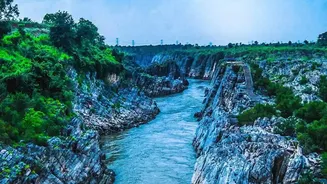
Meghalaya’s unique geology has blessed it with some of the longest and most complex cave systems in India, drawing explorers and thrill-seekers from around the globe. The state’s Karst landscapes, formed from dissolvable limestone, feature deep gorges,
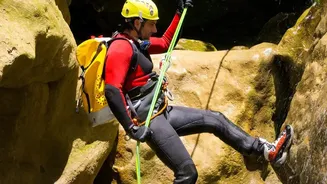
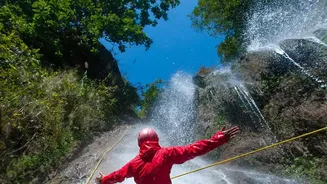
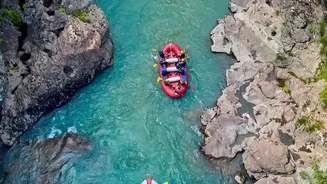
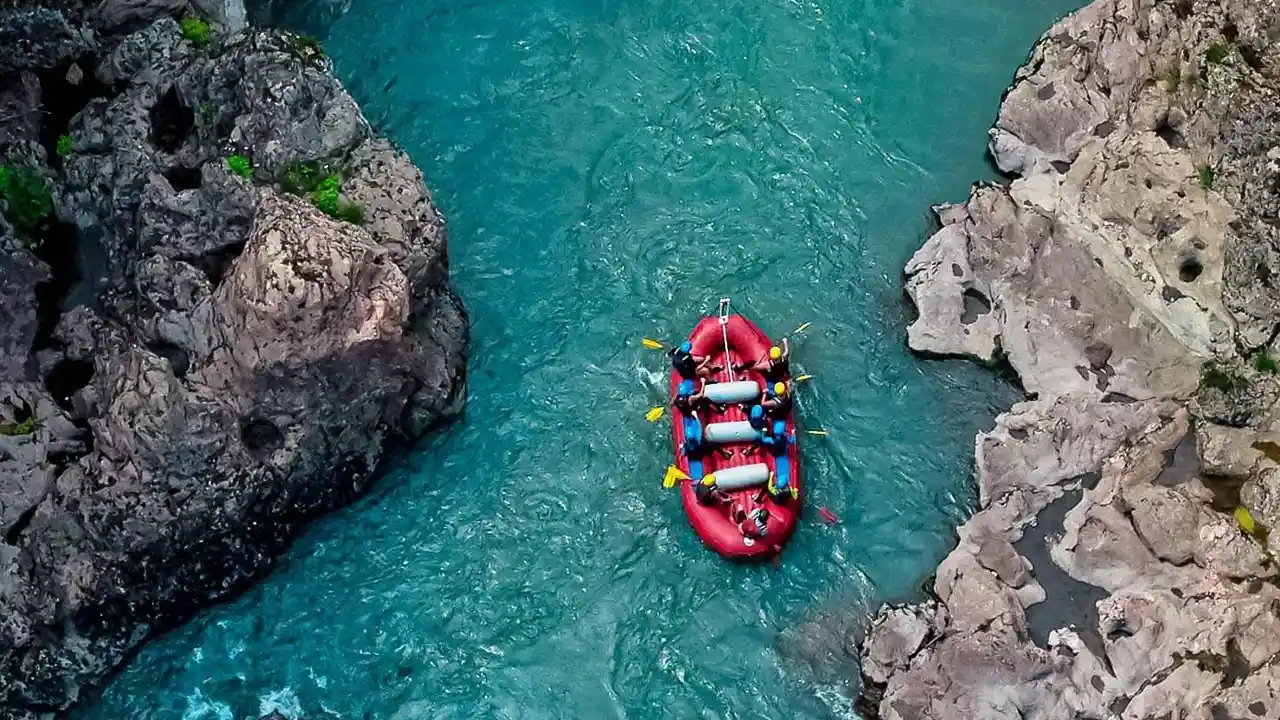
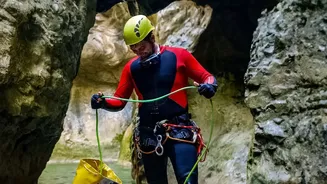
subterranean rivers, and breathtaking rock formations that promise an unparalleled adventure. Activities like caving, trekking, and canyoning offer a chance to navigate these hidden worlds, rappelling down waterfalls and swimming through crystal-clear pools. It is this raw, untamed beauty that makes Meghalaya a top-tier destination for those seeking to push their limits and witness nature in its most primordial form. The promise of exploring a place that few have seen is a powerful magnet for the adventurous spirit.
Understanding the Monsoon Threat
The very thing that makes Meghalaya lush and beautiful—the monsoon—also makes it incredibly dangerous for canyon explorers. From June to September, the state, home to some of the wettest places on Earth, receives immense amounts of rainfall. This deluge transforms the landscape. While waterfalls swell to their most majestic state, the narrow and deep canyons become deadly traps. A flash flood does not require rain to be falling directly over you. Heavy downpours miles upstream can channel a massive volume of water into a gorge with terrifying speed. Experts warn that cave and canyon passages can fill within minutes, turning a manageable stream into a raging, inescapable torrent. The sheer force of the water, combined with debris, leaves almost no chance for survival.
When Timing Is Everything
For canyoning and technical caving in Meghalaya, the calendar is your most important piece of safety equipment. Local operators and experienced guides are unanimous: these activities are not possible during the monsoon months. The high-risk period runs from roughly June through September, when the southwest monsoon is active. Attempting to enter canyon systems during this time is not advisable under any circumstances. The safest and most rewarding window for these adventures is during the dry, post-monsoon season, from October to April. During these months, the skies are generally clearer, the water levels in the rivers are significantly lower and more predictable, and the risk of sudden flash floods diminishes, making exploration feasible and safe.
Essential Safety Protocols
Even outside the monsoon, safety should be your top priority. The terrain is inherently challenging and requires preparation and respect. First and foremost, never attempt to explore these canyons alone or without professional guidance. Hire a certified local guide who possesses intimate knowledge of the terrain, weather patterns, and escape routes. Before setting out, always check the latest weather forecasts from a reliable source like the India Meteorological Department. Inform someone not in your group of your detailed itinerary and expected return time. Finally, ensure you have the right gear, including a helmet, sturdy footwear with excellent grip for slippery rocks, and any technical equipment provided by your guide. These are non-negotiable rules for a safe descent.
Enjoying the Monsoon Safely
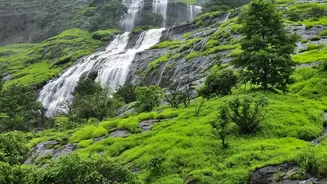
Just because canyoning is off-limits doesn't mean you should avoid Meghalaya during the monsoon. It is when the state is at its most green and visually spectacular. The key is to shift your activities to safer ground. Witnessing the power of Nohkalikai or the Seven Sisters Falls from designated, secure viewpoints is an awe-inspiring experience. You can embark on treks along well-established routes that are not prone to flash floods, though you must still be cautious of slippery paths. Driving through the misty hills and enjoying the ethereal atmosphere is an adventure in itself, provided you hire an experienced local driver who can navigate the winding roads cautiously. The monsoon is a time for sightseeing and appreciating the region’s dramatic beauty from a safe distance, not for high-risk water sports.