





The Real Financial Drain of a Delay
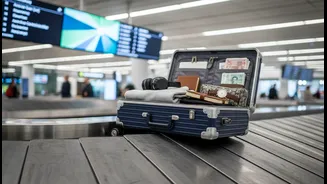
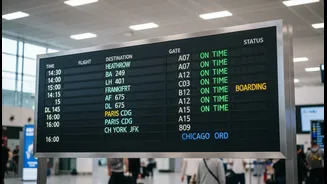
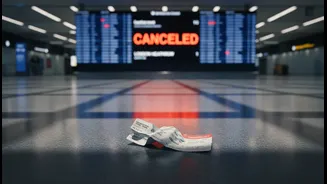
While we often focus on the lost time, the immediate financial hit from a flight disruption can be substantial. Even a delay of a few hours forces you into expensive airport purchases for food and drinks. A cancellation can trigger a cascade of costs.
You might lose money on non-refundable hotel bookings, pre-paid tours, and event tickets. While India's Passenger Charter, enforced by the DGCA, ensures airlines provide meals for delays over two hours and an alternate flight or full refund for delays over six hours, it doesn't cover these consequential losses. Recent studies show passengers often spend hundreds of dollars out-of-pocket on essentials and alternative transport during a disruption. Those expenses, from a last-minute taxi to another airport to buying essential toiletries for an unexpected overnight stay, add up quickly and are rarely compensated.
The Professional and Personal Ripple Effect
Beyond money, an unreliable flight can sabotage critical life events. For business travellers, this could mean missing a crucial client meeting, a conference presentation, or losing out on potential earnings. One study highlighted an average of nearly $500 in lost earnings for US travellers affected by flight disruptions. For leisure travellers, the stakes can be just as high. Arriving a day late could mean missing your own sister's wedding ceremony, the first day of a long-awaited family reunion, or a sold-out concert. These are moments you can't put a price on and can never get back. The disruption doesn't just affect you; it impacts everyone waiting for you at your destination, adding another layer of stress to an already difficult situation.
The Hidden Toll on Your Well-being
The mental and physical cost of travel uncertainty is significant. The stress of not knowing when, or if, you will reach your destination, the anxiety of re-arranging plans, and the sheer exhaustion of spending hours in a crowded terminal take a heavy toll. Research has shown that a significant percentage of passengers experience health impacts like fatigue and missed sleep due to flight disruptions. The experience can sour an entire vacation before it even begins or add immense pressure to an important work trip. This erosion of your peace of mind is a hidden cost that frequent travellers know all too well, turning what should be an exciting journey into a draining ordeal.
How to Choose a More Reliable Flight
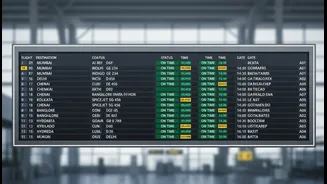
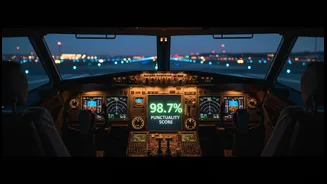
Protecting yourself starts before you book. The Directorate General of Civil Aviation (DGCA) in India publishes monthly On-Time Performance (OTP) data for domestic airlines. Recent reports from May 2026 show significant variance in punctuality, with some airlines like IndiGo and Akasa Air consistently posting higher OTPs, while others lag behind. According to July 2026 data from the Ministry of Civil Aviation, Akasa Air and IndiGo had OTPs of 97.5% and 97.2% respectively, whereas SpiceJet's was 50%. You can check these reports on the DGCA or AirSewa websites. Booking the first flight of the day can also be a smart strategy, as delays tend to cascade and worsen as the day progresses. Finally, consider comprehensive travel insurance that specifically covers costs arising from delays and cancellations, providing a financial safety net for those non-refundable expenses.