





Understanding the Two Main Players
When we talk about flat and raised seams, we are generally referring to two common construction methods. A raised seam, often an 'overlocked' or 'serged' seam, is the traditional choice where two pieces of fabric are sewn together, leaving a small ridge
of thread and fabric on the inside. You’ll find this on most of your t-shirts, sweatshirts, and casual trousers. A flat seam, typically a 'flatlock' or 'flat-felled' seam, is constructed so that the fabric edges either butt up against each other or overlap and are stitched down flat. This creates a smooth finish on both the inside and outside of the garment, with no raised ridge against the skin.
The Case for Flat Seams: Comfort and Performance
The primary advantage of a flat seam is comfort. Because it lies level with the fabric, it eliminates the potential for chafing and irritation, especially in clothes that sit close to the body. This is why flatlock stitching is the gold standard for activewear, leggings, sports bras, and performance base layers. When you're in motion for long periods, a raised seam can rub against the skin and cause discomfort, particularly when you sweat. Flat seams also offer a sleek, minimalist aesthetic, as they create less bulk and allow the garment to drape more smoothly. For anyone with sensitive skin or for garments worn for extended periods, from underwear to yoga pants, choosing a flat seam can make a world of difference.
The Power of Raised Seams: Durability and Structure
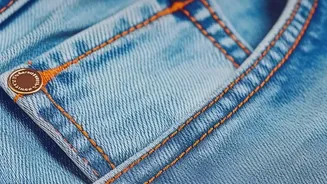
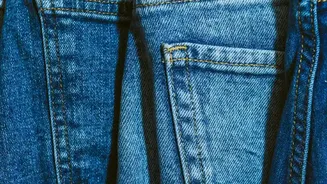
While flat seams win on chafe-free comfort, raised seams often have the upper hand in strength and durability. A specific type of raised seam, the 'flat-felled' seam found on denim jeans, is a perfect example. It involves enclosing the raw fabric edges within the seam and stitching it down with two visible lines of thread, creating an exceptionally strong join that can withstand significant stress and frequent washing. Raised overlock seams are also cost-effective and fast for manufacturers, which is why they are ubiquitous in everyday clothing. For looser garments where the seam doesn’t press against the skin—like outerwear, jackets, and many woven shirts—a raised seam is perfectly comfortable and provides the necessary structure and longevity.
Making the Right Choice for Your Wardrobe
So, how do you decide? The choice ultimately comes down to the garment's purpose. Prioritise flat seams for any clothing that is tight-fitting or worn during physical activity. Think leggings, cycling shorts, sports tops, and base layers. This is where comfort and chafe-prevention are paramount. For everything else, a well-constructed raised seam is often more than adequate and can even be preferable for its strength. On items like denim jeans, work shirts, and heavy jackets, a robust flat-felled or welt seam is a sign of quality and durability. For delicate or sheer fabrics like chiffon, a different enclosed seam called a French seam might be used for a clean, high-end finish that hides raw edges.