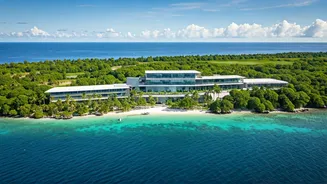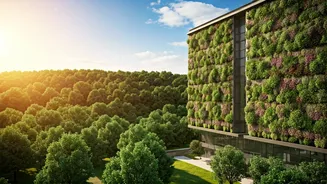








Meet the New Balinese Tribe
For years, Bali has been a magnet for digital nomads—freelancers and remote workers drawn by the low cost of living, vibrant culture, and reliable Wi-Fi. But a new wave is redefining this movement. They’re not just here to work from a cafe with a view;
they’re here to work with a purpose. These are the eco-friendly nomads, a growing community of professionals who prioritise sustainability as much as they do internet speed. They are entrepreneurs, developers, writers, and wellness coaches who want their lifestyle to align with their values. This isn't just about using a metal straw; it's a fundamental rethinking of the nomadic dream, seeking to integrate into the local environment rather than just consume it.
Inside the Green Co-Working Space
At the heart of this trend are Bali’s green co-working spaces, particularly in cultural hubs like Ubud and the coastal town of Canggu. These are not your typical shared offices. Imagine open-air pavilions constructed from locally sourced bamboo, letting in natural light and tropical breezes. Desks overlook lush rice paddies or jungle canopies. These spaces are designed to blend in with nature, not dominate it. Beyond aesthetics, they function as community centres. Many host workshops on permaculture, offer daily yoga and meditation classes, and house organic cafes serving farm-to-table meals. They are ecosystems designed to foster well-being, creativity, and a connection to the environment, turning the daily grind into a holistic experience.
More Than Just Good Looks
The 'green' label goes deeper than bamboo architecture. The most committed spaces implement tangible sustainability practices. This includes comprehensive recycling and composting programs to tackle Bali's waste management challenges. Some install solar panels to reduce their reliance on the island's strained power grid. Water conservation is another key focus, with rainwater harvesting systems and eco-friendly filtration. Furthermore, these hubs often champion social responsibility. They might partner with local NGOs, sponsor community projects, or ensure they employ and train local staff, providing them with fair wages and valuable skills. The goal is to create a symbiotic relationship where the presence of the co-working space benefits the surrounding community, not just its international members.
Paradise With a Price?
While the vision is idyllic, the reality is complex. The influx of affluent nomads, even well-intentioned ones, can put a strain on local infrastructure. There are growing concerns about 'eco-gentrification,' where rising demand for sustainable living pushes up rental prices and the cost of living, potentially pricing out local residents. Water scarcity and waste management remain critical issues for the island, and a higher population, regardless of how eco-conscious, adds to the pressure. The challenge for this movement is to ensure its positive impact outweighs the negative footprint. It raises important questions: Is this a truly sustainable model, or a beautiful, exclusive bubble? The conversation in Bali is shifting from just attracting nomads to managing their impact responsibly.
A Blueprint for India's Hubs?
The trend in Bali offers a fascinating glimpse into the future of work and travel, one that holds lessons for India. As remote work becomes mainstream, destinations like Goa, Manali, and Puducherry are seeing their own influx of digital nomads. The Balinese model of green co-working provides a powerful blueprint. Imagine similar spaces in the Western Ghats or the Himalayan foothills, built with local materials and a focus on community integration. It’s an opportunity to develop a new kind of tourism—one that is regenerative, not extractive. By learning from both the successes and the challenges in Bali, India can pioneer its own version of sustainable remote work hubs that celebrate local culture and protect the environment.