

Embrace the Unpredictable Weather
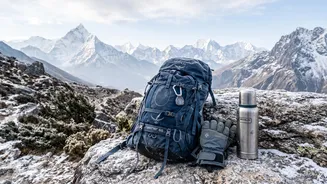
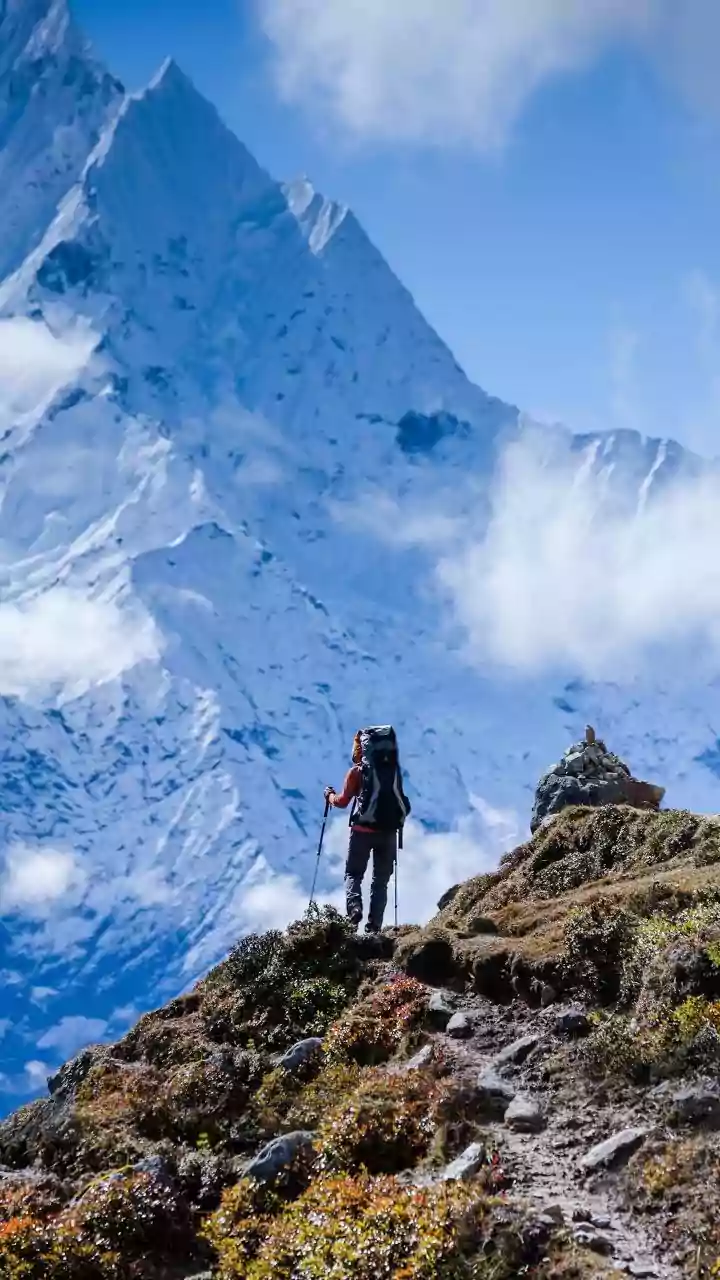
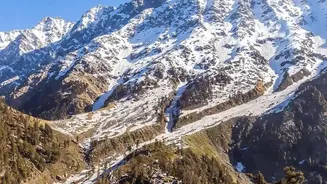
Winter in the high Himalayas is notoriously fickle. A bright, sunny morning can turn into a whiteout by afternoon. Heavy snowfall can occur with little warning, dramatically altering trail conditions and visibility. This isn't just an inconvenience; it's
a major safety factor. A rigid schedule that forces you to push onward in deteriorating weather is a recipe for trouble. A flexible plan allows you to pause, wait for a weather window, or even change your route to a safer, lower-altitude alternative without feeling the pressure of a missed deadline. Building in 'buffer days' is not a luxury but a necessity, giving you the freedom to make smart, safe decisions based on the current conditions, not a pre-determined timetable.
Navigate Road Closures and Delays
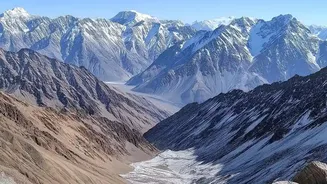
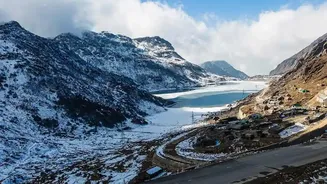
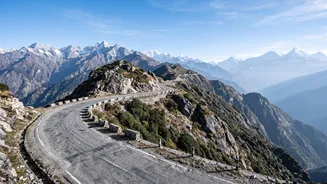
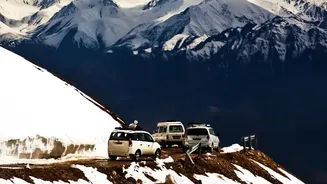
High-altitude roads in the Indian Himalayas, such as those leading to Spiti, Zanskar, or North Sikkim, are often closed for months during winter due to heavy snow and avalanche risk. Even on routes that remain technically open, conditions can change in an instant. A sudden snowstorm or a landslide can lead to blockages lasting hours or even days. An inflexible itinerary with tightly booked hotels and transport can unravel completely with just one such closure. By planning with flexibility, you can adapt. This might mean spending an extra night in a town, exploring a different valley while a road clears, or even reversing your route. This adaptability turns a potential trip-ruining disaster into an unexpected detour and a new adventure.
Prioritise Safe Acclimatisation
Altitude sickness is a serious risk that cannot be ignored. Proper acclimatisation—the process of letting your body adjust to lower oxygen levels—is critical. Rushing to higher altitudes to stick to a tight schedule is one of the biggest mistakes a trekker can make. A good acclimatisation schedule involves ascending slowly, typically no more than 300-500 metres in sleeping altitude per day above 3,000 metres, and incorporating rest days. The golden rule is 'climb high, sleep low', where you hike to a higher point during the day and return to a lower altitude to sleep. A flexible itinerary allows you to listen to your body. If you feel symptoms of altitude sickness, you have the time to rest for an extra day or even descend without jeopardising your entire trip.
Discover Unexpected Opportunities
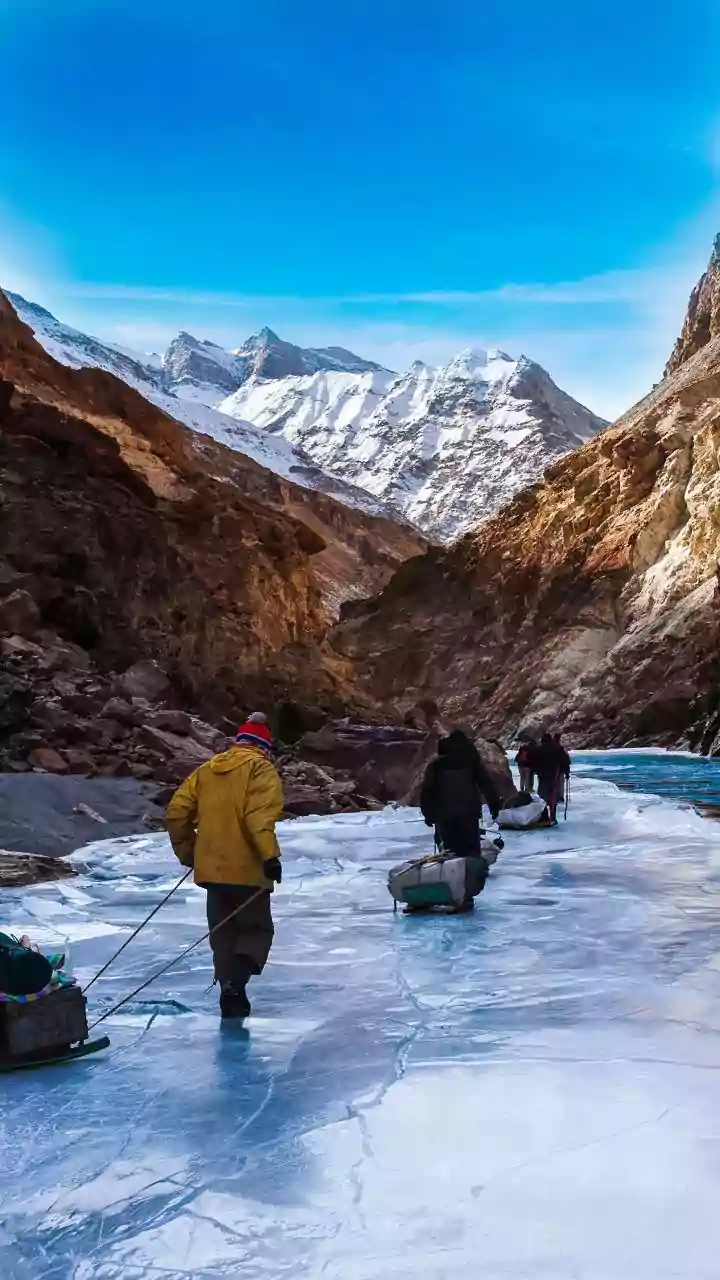
Flexibility isn't just about managing risks; it's also about embracing serendipity. The most memorable travel moments often happen when you deviate from the plan. With a relaxed schedule, you might have time to accept a local family's invitation for tea, explore a monastery you didn't know existed, or spend an extra day in a village that captivated you. Winter is also a time for unique local festivals like Losar or Maghe Sankranti in some regions. With fewer tourists around, you have a better chance for genuine cultural immersion. This 'slow travel' approach fosters a deeper connection to the place and its people, transforming your trip from a checklist of sights into a rich, lived experience.
Reduce Stress and Enhance Enjoyment
Constantly racing against the clock is stressful, and that's the last thing you want on a mountain holiday. A rigid itinerary in an unpredictable environment creates anxiety. Will we make it to the next hotel? What if the pass is closed? This pressure can diminish the joy and peace that you came to the mountains to find. By building flexibility into your plans, you remove this self-imposed stress. You accept that the mountains operate on their own time. This mindset shift allows you to be fully present, appreciate the pristine winter landscapes, and find a sense of calm and solitude that is often the greatest reward of a Himalayan journey.