




A Return to Earthy Roots
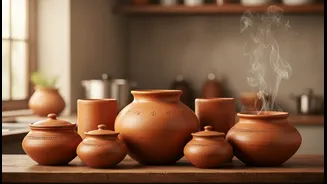
For generations, clay was the cornerstone of Indian cooking, from setting curd to simmering rich curries. The arrival of modern metal cookware saw these traditional vessels relegated to history, surviving mainly in villages and restaurants aiming for
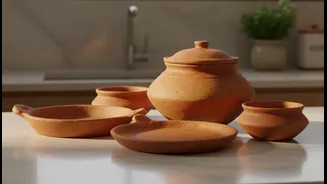
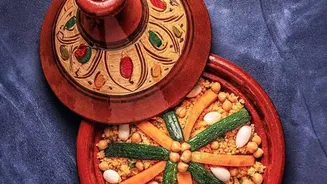
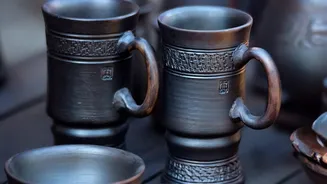
authenticity. Now, a conscious shift is underway. Urban home cooks are increasingly looking past convenient but potentially harmful non-stick coatings and embracing earthenware. This isn't just about a single product; it's a growing movement towards healthier, sustainable, and more mindful cooking practices that reconnect us with our culinary heritage.
The Science of Slow Cooking
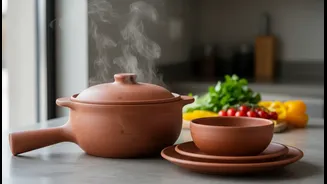
The magic of clay pot cooking lies in its unique material properties. Clay is porous, allowing heat and moisture to circulate evenly throughout the pot. This results in a slow, gentle cooking process that prevents food from burning and locks in nutrients often lost with high-heat methods. Ayurveda has long suggested cooking in clay for its health benefits. Modern nutritionists agree, pointing out that clay is naturally alkaline. This property helps neutralize the acidity in foods like tomatoes and spices, making meals easier to digest and balancing the body's pH levels.
A Richer, Deeper Flavour
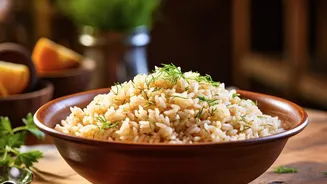
Ask anyone who has eaten a dish prepared in a handi, and they will rave about the taste. The slow, even cooking allows flavours to meld and deepen in a way that metal pans cannot replicate. The porous clay also imparts a subtle, unique earthy aroma and flavour that elevates dishes like biryani, dal, and fish curry to another level. Because moisture is retained so effectively, dishes cook in their own juices, resulting in tender, succulent textures without the need for excessive oil or ghee. This makes clay pot cooking a heart-healthy choice that doesn't compromise on flavour.
The Modern 'Mitti' Movement
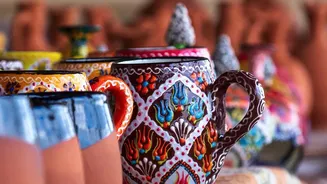
The resurgence is being driven by a new generation of health-conscious consumers and food enthusiasts. Social media feeds are increasingly filled with aesthetically pleasing images of rustic clay pots, signalling a shift in what is considered aspirational in the kitchen. It’s a blend of wellness and aesthetics. Furthermore, this trend supports local artisans and potters who are the custodians of this ancient craft. By choosing handcrafted clay utensils, consumers are not only making a healthy choice for their families but also contributing to the preservation of traditional craftsmanship and rural economies.
How to Use and Care for Clay
Thinking of joining the movement? The first and most crucial step is seasoning. An unglazed clay pot must be soaked in water, ideally for 24 hours, before its first use to prevent cracking and prepare it for cooking. When cooking, always start with a low flame and increase the heat gradually to avoid thermal shock. Cleaning is equally important. Never use harsh chemical soaps or detergents, as the porous clay will absorb them. Instead, use warm water, baking soda, and a soft scrub brush. Proper care ensures your clay pot will last for years, becoming more seasoned and flavourful with each use.