






Unpacking the 30% Surge
The headline figure is impressive: a 30% year-on-year increase in gold sales volume during the Dhanteras-Diwali period. According to the India Bullion and Jewellers Association (IBJA), consumers purchased a staggering 52 tonnes of gold, valued at approximately
₹72,000 crore. This wasn't just a marginal uptick; it represented a significant revival in consumer sentiment and spending on the precious metal, especially after a period of relative quiet in the market.
A 'Golden' Opportunity in Pricing
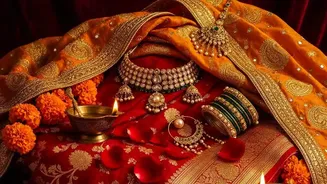
A key catalyst for this buying frenzy was a timely correction in gold prices. Earlier in the year, record-high prices had kept many potential buyers at bay. However, prices softened considerably from a peak of around ₹1.8 lakh to ₹1.42 lakh per 10 grams in the run-up to the festive season. This dip was perceived by many as a golden opportunity to invest, fulfilling a tradition that is deeply woven into the cultural fabric of Diwali and Dhanteras. This price correction, coupled with pent-up demand, created the perfect conditions for a market rebound.
The Wedding Season Boost
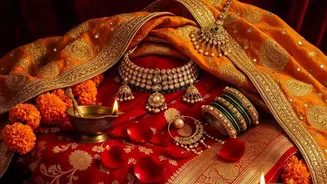
The festive season joyfully collides with the onset of India's extensive wedding season, which typically begins in mid-November. A significant portion of the gold purchased during Diwali and Dhanteras is intended for upcoming nuptials. Families often plan these substantial purchases well in advance, and the favourable market conditions provided an ideal time to buy. Jewellers noted that this pre-wedding shopping spree was a major contributor to the overall sales volume, signalling a strong start to the wedding market.
Shifting Consumer Choices
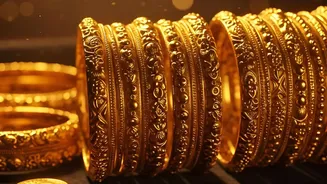
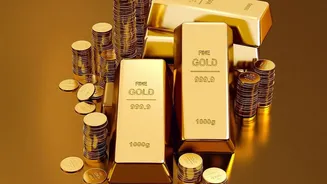
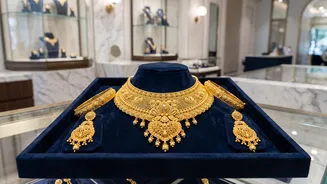
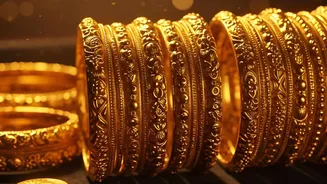
While the volume of gold sold increased, consumer behaviour also showed a notable shift. Faced with prices that were still elevated compared to the previous year, many buyers adapted their strategies. There was a discernible trend towards lightweight and 'daily-wear' jewellery, often in 14-carat or 18-carat gold, which allowed consumers to participate in the auspicious tradition without overstretching their budgets. This indicates a practical approach to festive spending, where the act of buying gold remains paramount, even if the form it takes is more modest. In addition to jewellery, the demand for gold coins and small bars as investment assets also remained robust.
Economic Confidence and Rural Demand
The surge in gold buying can also be read as a barometer of economic confidence. The timing of the festivals early in the month coincided with the receipt of salaries and festive bonuses for many, leading to healthy cash flow in the market. Furthermore, a favourable monsoon season bolstered rural incomes, contributing to strong demand from tier-2 and tier-3 cities. This broad-based participation, from urban salaried individuals to the agricultural sector, suggests a widespread sense of financial stability and optimism about the future.