
That sharp, spicy tang of a perfectly made pickle does more than just complement a meal; it unlocks a flood of memories. For generations, the art of 'achaar' was a household ritual, but now its revival is revealing a much larger story.
From Kitchen Staple to Gourmet Statement
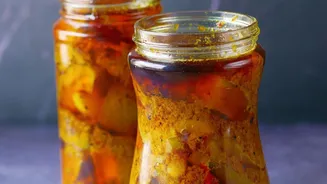
For centuries, the
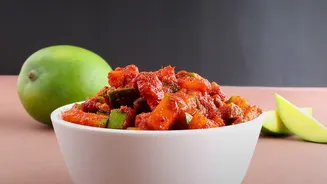
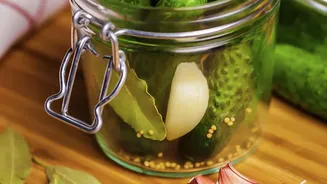
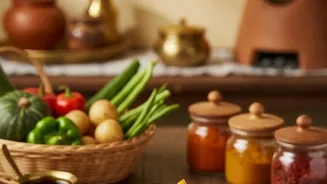
pickle jar, or 'martaban', was a fixture in Indian kitchens, a testament to seasonal bounty and preservation artistry. But as mass-produced, vinegar-based pickles filled supermarket shelves, the slow, sun-cured craft began to fade for many. Today, a remarkable reversal is underway. A new wave of artisanal brands and home entrepreneurs are reviving heirloom recipes, turning what was a humble condiment into a premium product. These small-batch pickles, often marketed with their origin stories and minimalist labels, are finding a dedicated audience willing to pay for authenticity. What was once simply 'ghar ka achaar' is now celebrated as single-origin, sun-fermented, and free from artificial preservatives.
A Craving for Nostalgia and Authenticity
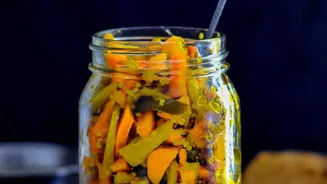
This revival is not just about flavour; it's deeply rooted in emotion. In a fast-paced world, there's a growing collective yearning for the past and for things that feel real. Marketing experts call it 'nostalgia marketing', and it's a powerful force in the food industry. Brands that evoke memories of childhood and family traditions build a strong emotional connection with consumers. The homemade pickle, with its generational recipes and links to 'dadis' and 'nanis', is the ultimate nostalgic product. This craving for authenticity represents a clear shift away from standardized, globalized tastes toward flavours that are distinctly regional and personal. Consumers are exploring a vast diversity of pickles, from the fiery 'avakaya' of Andhra to the unique bamboo shoot pickles of the Northeast.
The Health-Conscious Consumer
The pickle's comeback is also fueled by a significant pivot toward wellness. As consumers become more discerning about what they eat, the nutritional intelligence embedded in traditional Indian cuisine is being rediscovered. Unlike commercially produced versions which can be high in sodium and contain chemical preservatives, traditionally made pickles are powerhouses of gut-friendly probiotics. The natural fermentation process, which relies on salt, spices, and sunlight, cultivates beneficial bacteria like Lactobacillus. These probiotics are known to improve digestion, boost immunity, and support overall gut health. This aligns perfectly with the global trend towards fermented foods and the 'clean label' movement, where consumers demand transparency and simple, natural ingredients.
The Rise of the Home Entrepreneur
The heritage pickle revival is also a story of economic empowerment, enabled by modern technology. Social media and e commerce platforms have allowed home cooks and small scale producers to bypass traditional retail challenges and connect directly with customers. Many of these businesses were born during the pandemic, as people turned their passion for family recipes into viable enterprises. These entrepreneurs are not only preserving culinary heritage but also creating a market for high quality, locally sourced ingredients. While running a small batch business has its own set of challenges, such as tight profit margins and sourcing difficulties, it is a booming sector driven by consumer demand for products with a personal story and a clear provenance.
A Microcosm of a Larger Food Movement
Ultimately, the pickle is a perfect symbol of a much broader shift in India's food landscape. For years, aspirational eating was associated with imported goods and foreign trends. Now, the focus is turning inward. There is a renewed pride in India's own culinary traditions and indigenous ingredients. Consumers are demonstrating that they are willing to spend more on better quality, locally sourced food that feels both authentic and nourishing. This movement is about rediscovering the value in our own kitchens, celebrating regional diversity, and choosing foods that are connected to our health and our heritage. The humble pickle, it turns out, was just waiting for its moment in the sun once more.