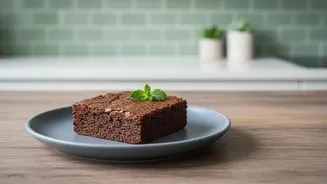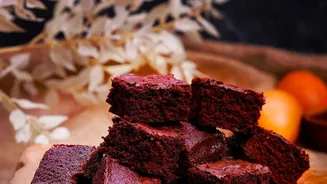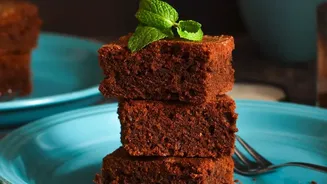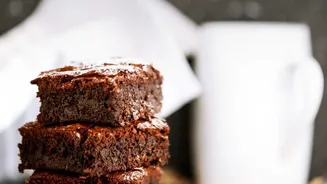



A Modern Twist on a Classic Treat
The movement towards mindful eating has officially entered the dessert space. Chefs are increasingly looking beyond refined flour (maida) to craft treats that cater to a growing demand for healthier, yet indulgent, options. This has sparked a creative
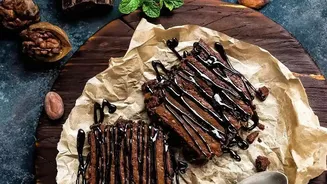
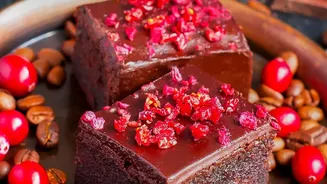
renaissance in baking, with ancient grains once central to Indian diets now taking the spotlight in contemporary pastries. Sorghum (jowar) and finger millet (ragi) are at the forefront of this trend, especially in the creation of 'flourless' brownies—a term used here to mean free of traditional wheat flour. This shift isn't just about avoiding gluten; it's about exploring new dimensions of flavour and texture that these heritage grains offer.
The Power of Sorghum (Jowar)
Sorghum, known locally as jowar, is a powerhouse of nutrition. It has a mild, slightly sweet flavour and a fine, smooth texture that lends itself beautifully to baking. As a flour, it's celebrated for its high protein content, which contributes to a soft, tender crumb in baked goods. In brownies, sorghum flour helps create a light yet satisfying structure without the density that can sometimes come from other gluten-free flours. It is also rich in fibre and antioxidants. Its subtle nuttiness complements the richness of dark chocolate, providing a perfect base that allows the cocoa flavour to shine through.
The Richness of Finger Millet (Ragi)
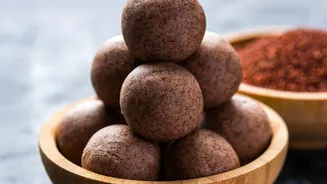
Finger millet, or ragi, is a nutritional superstar, long valued in traditional Indian diets. It boasts an exceptional amount of calcium, significantly more than other cereals, and is also a great source of iron and protein. When used in baking, ragi brings a deep, earthy flavour that forms a complex and delicious partnership with chocolate. Its dark, reddish-brown colour enhances the visual appeal of a brownie, making it look even richer and more decadent. While some find its texture coarse, modern baking techniques and finer milling have made it an exciting ingredient for chefs looking to add both nutritional value and a unique taste profile to their creations.
Better Together: The Perfect Pairing
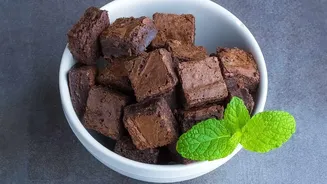
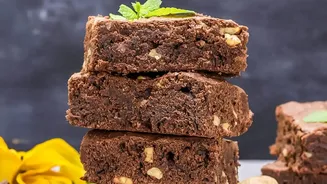
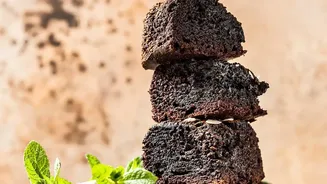
The real magic happens when sorghum and finger millet are used in combination. While sorghum provides a soft structure and mild sweetness, ragi introduces a robust flavour and dense, fudgy quality. Together, they create a balanced, moist, and deeply chocolatey brownie that holds its own against any traditional recipe. Because both grains are naturally gluten-free, they are an ideal choice for those with celiac disease or gluten sensitivities. More importantly, the use of these flours challenges the notion that gluten-free baking means compromising on taste. These brownies aren't just a 'good substitute'; they are simply good, full stop.
More Than Just Healthy
While the health benefits are undeniable, the shift towards millets in high-end pastry is primarily driven by flavour. Chefs and bakers are discovering that these ancient grains are not mere substitutes but flavourful ingredients in their own right. They add a layer of complexity and a satisfying depth that all-purpose flour simply cannot match. This culinary exploration is part of a larger trend of reimagining traditional ingredients in modern formats, from millet-based puddings to sourdough rotis made with ancient wheat varieties like Khapli. It's a celebration of heritage, sustainability, and above all, taste.