






The Engine of Nostalgia: Diaspora Demand
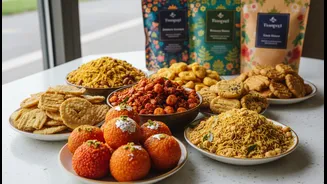
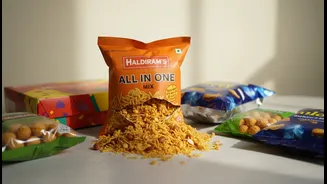
The initial push for Indian snack brands to go global was driven by a powerful and emotionally resonant market: the Indian diaspora. For millions of expatriates in the US, UK, Australia, and the Middle East, a packet of Haldiram's or Bikaji is more than
just a snack; it's a connection to home, a taste of nostalgia that can’t be replicated. This built-in, loyal customer base created the perfect launchpad. These consumers wanted the authentic, uncompromising flavours they grew up with, providing a stable revenue stream and a clear market entry point for companies. Brands began by stocking shelves in ethnic grocery stores, catering directly to this craving for familiar tastes.
The Adaptation Game: Winning Over the World
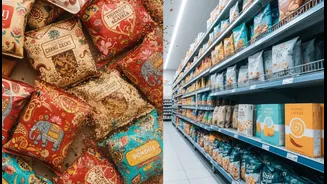
Simply serving the diaspora was just the beginning. The real ambition is to cross over from the ethnic aisle to the mainstream supermarket shelf. This requires a strategic shift from pure authenticity to clever adaptation. To appeal to a global palate, some companies have had to tone down spice levels, innovate with packaging, or create fusion products that blend Indian flavours with Western snack formats. It's a careful balancing act: the product must remain identifiably Indian to retain its core appeal, but approachable enough for a consumer in Spain or the United States trying it for the first time. This strategy also includes highlighting health benefits, with brands promoting millet-based, gluten-free, or baked options that align with global wellness trends.
Titans of Taste: The Brands Leading the Charge
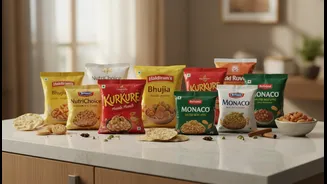
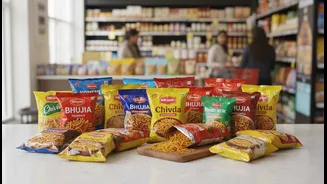
Legacy giants like Haldiram's and Bikaji are at the forefront of this global expansion. Haldiram's, which began exporting to the US as early as 1993, now reaches over 80 countries, leveraging decades of brand trust and quality control. The company pioneered innovations like nitrogen-flushing in packaging to ensure freshness over long-distance shipping, a crucial technological step. Similarly, Bikaji has established a strong presence in over 30 countries, available in major retail chains like Walmart and Lulu. More recently, Bikaji invested millions to establish a manufacturing facility in the US, a move designed to strengthen its supply chain and cater more directly to North American demand. These companies aren't just exporting; they're building global infrastructure.
From Bikaner to the World: Supply Chain Challenges
Taking a quintessentially Indian product global is fraught with logistical hurdles. Maintaining taste and quality across continents requires sophisticated supply chains and adherence to varied international food safety standards, which are often much stricter than domestic ones. Issues like pesticide residue and the need for farm-to-table traceability can pose significant barriers for exporters. To overcome this, companies are investing heavily in quality control, modern packaging, and even local production facilities. The recent partnership between Haldiram's, an Australian distributor, and a Spanish group to manufacture and distribute in Europe is a prime example of a strategy designed to navigate these complex regulatory and logistical landscapes.
The Future is Flavorful and Global
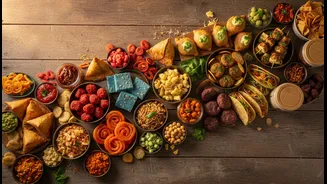
The global push of Indian snack brands is more than a business trend; it’s a form of cultural diplomacy. As brands successfully move into mainstream retail, they are introducing global consumers to the diversity of Indian cuisine beyond the standard restaurant curries. The export market for Indian snacks has seen incredible growth, more than doubling in value between 2019 and 2024. The future will likely see even more innovation, with a focus on healthy alternatives like makhana (fox nuts) and millet-based snacks, which are already being positioned alongside kale chips and quinoa puffs in Western markets. This strategic blend of authentic tradition and modern adaptation is setting the stage for Indian snacks to become a staple in pantries worldwide.