






How AI Becomes Your Skin Coach
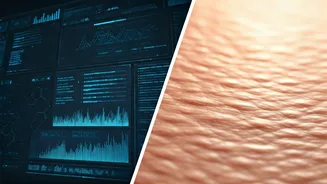
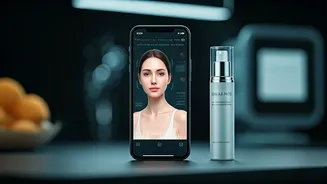
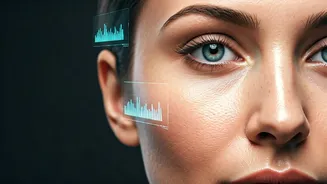
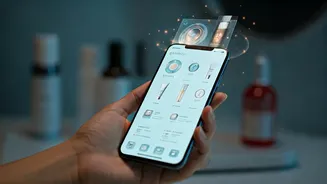
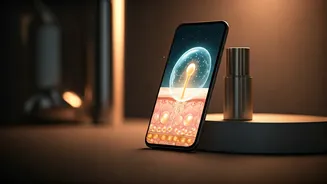
AI skincare tools work by using your phone's camera to analyse your face. You snap a selfie, and the app's algorithm gets to work, scanning the image for concerns like fine lines, dark spots, texture, and pore size. It compares your photo to a massive
database of labelled images to identify patterns related to various skin conditions. Some platforms also combine this visual analysis with a questionnaire about your lifestyle and skin concerns to refine their assessment. The end goal is to provide a detailed report on your skin's health and recommend a routine of specific products tailored just for you.
The Bright Side: Personalisation and Access
The biggest advantage of AI in skincare is its ability to offer hyper-personalised recommendations. Instead of you guessing which products might work, the AI suggests items based on its analysis of your specific needs. This technology is available 24/7, offering instant advice without the need to book an appointment. It can be a fantastic tool for product discovery, introducing you to ingredients and formulations you might not have considered. Many apps also allow you to track your skin's progress over time, giving you a visual record of whether a new routine is actually working. For brands, it helps deliver better recommendations, leading to higher customer satisfaction.
The Red Flags: Where AI Falls Short
For all its benefits, AI is not a dermatologist. A key limitation is that these tools cannot provide a medical diagnosis. They are pattern-recognition software, not licensed medical professionals. An app might flag a dark spot as hyperpigmentation, but it can’t reliably distinguish it from a potentially cancerous lesion like melanoma. Furthermore, AI algorithms are only as good as the data they are trained on. If the image database lacks diversity, particularly in skin tones, the analysis may be less accurate for people with darker skin. There are also significant privacy concerns, as you are uploading sensitive facial data to an app. It is crucial to understand how your data is being stored and used before you agree to the terms of service.
AI vs. The Dermatologist: A Tool, Not a Replacement
In controlled studies, AI has shown remarkable accuracy, sometimes even outperforming doctors in identifying specific conditions like skin cancer from images. However, these studies are conducted in ideal settings with high-quality medical images. A dermatologist's diagnosis involves much more than just looking at a picture. They consider your full medical history, lifestyle factors, and can perform physical examinations and biopsies, which an app cannot do. Experts agree that AI works best as a supportive tool to assist dermatologists, not replace them. It can improve diagnostic accuracy when used in a clinical setting, but it lacks the contextual understanding and expertise of a human doctor.
Your Smart Guide to Using Skincare AI
So, how can you use this technology wisely? Think of AI skincare apps as a helpful starting point for product discovery and education, not for medical diagnosis. Use them to learn about ingredients and find products targeted toward general concerns like dryness or oiliness. Be critical of the recommendations, especially if the app is owned by a specific brand, as the suggestions will likely be limited to their products. If you have a serious concern—like a changing mole, persistent acne, or a rash—always see a qualified dermatologist. And finally, protect your privacy. Read the app's privacy policy to understand what happens to your images and personal data before you upload anything.