






Beyond the Obvious Flavour
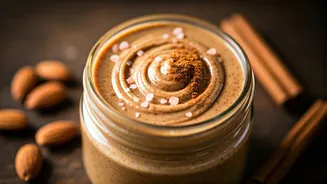
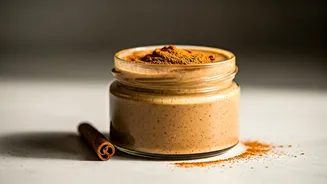
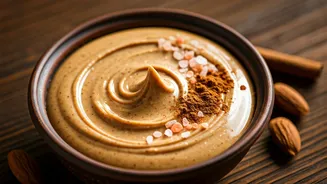
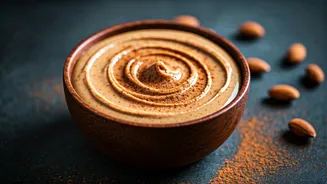
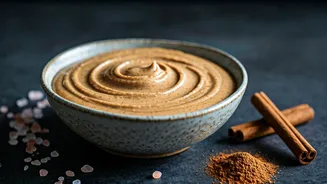
Let’s get the most obvious reason out of the way: it’s delicious. The warm, sweet, and slightly spicy notes of cinnamon are a perfect match for the rich, nutty flavour of roasted almonds. It transforms a simple spread into something that tastes more complex
and dessert-like without adding any sugar. This pairing is a classic for a reason, reminiscent of everything from almond cakes to holiday baking. But while the flavour upgrade is undeniable, it’s only the beginning of the story. The real reasons so many home cooks and health-conscious foodies swear by this trick are rooted in health, science, and simple kitchen practicality.
A Boost of Health Benefits
Cinnamon is more than just a spice; it’s a powerhouse of beneficial compounds. For centuries, it has been used in traditional medicine, and modern science is beginning to back up some of those claims. Cinnamon is loaded with antioxidants, particularly polyphenols, which help protect your body from oxidative damage caused by free radicals. Some studies have also famously linked cinnamon to improved blood sugar control. While it’s certainly not a cure for any medical condition, research suggests that compounds in cinnamon can help slow the breakdown of carbohydrates in the digestive tract and improve insulin sensitivity. Adding a teaspoon to your almond butter is an incredibly easy and tasty way to incorporate these potential benefits into your daily diet, especially when paired with a food that’s already rich in healthy fats, fibre, and protein.
A Natural Preservative
Here’s the clever kitchen hack you might not know about. One of the main challenges with homemade almond butter is that it doesn’t have the long shelf life of store-bought versions, which contain preservatives. This is where cinnamon comes in. The primary active component in cinnamon, cinnamaldehyde, has potent antimicrobial and antifungal properties. By mixing it into your almond butter, you’re essentially adding a natural preservative. It can help inhibit the growth of mould and bacteria that might otherwise shorten the life of your delicious creation. While it won’t make your almond butter last forever, it can certainly help it stay fresh for longer in the refrigerator, giving you more time to enjoy the fruits of your labour.
Enhancing Texture and Aroma
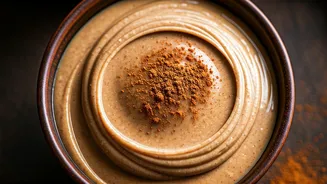
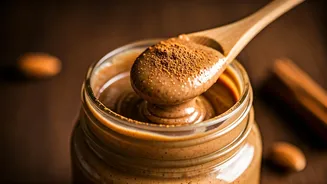
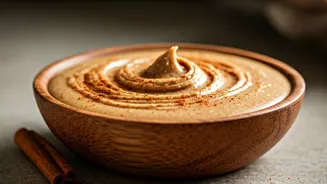
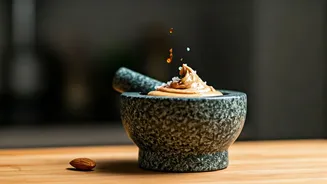
The magic of cinnamon also extends to the sensory experience. When you open a jar of homemade almond butter, the nutty aroma is wonderful. When you add cinnamon, that aroma becomes richer and more inviting, hinting at the delicious flavour within. Texture-wise, the fine powder of ground cinnamon integrates seamlessly into the butter during the blending process. It helps create a homogenous, smooth consistency and can even absorb a tiny bit of the separated oil that sometimes sits on top of natural nut butters, making it easier to stir back in. This small detail contributes to a more premium, well-blended final product that feels more professional and less, well, separated.
How to Do It Right
Ready to try it? The process is simple. For a standard batch of almond butter made from about two cups of almonds, start by adding one teaspoon of ground cinnamon. You can always add more to taste. For the best integration, add the cinnamon directly into the food processor during the last minute of blending. This ensures it's evenly distributed throughout the butter. As for which type to use, Ceylon cinnamon (often called “true” cinnamon) has a milder, more delicate flavour, while Cassia cinnamon is more common, cheaper, and has a stronger, spicier punch. Both work well, so the choice comes down to personal preference. Just be sure your cinnamon is fresh for the best flavour and benefits.