









The New Weekday Staple
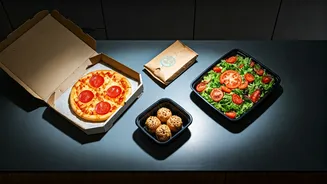
The food delivery market in India is experiencing explosive growth, with a current valuation of over USD 45 billion in 2024 and projected to grow at a staggering rate. This boom isn't just about more people ordering; it's about when and why they're ordering.
The narrative has shifted from impulse-driven Friday night pizzas to planned, utility-driven weekday meals. Busy professionals, dual-income families, and students are increasingly relying on delivery platforms not for a treat, but for a solution to the daily question: "What's for lunch?" or "What's for dinner?". This evolution is a response to changing urban lifestyles, where convenience is paramount. As one industry CEO noted, meals now have to fit into tighter schedules and longer days, making on-demand food a part of daily life.
Lunch, Delivered to Your Desk
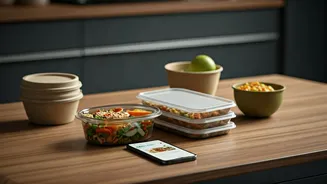
The corporate world has become a major driver of this weekday shift. Companies, keen on boosting employee wellness and productivity, are increasingly partnering with food delivery services to provide daily office meals. Platforms now offer specialized corporate tiffin subscriptions and cafeteria management solutions, delivering fresh, hygienic, and varied meals directly to the office. This solves a logistical challenge for companies and provides a valuable perk for employees who no longer need to worry about packing a lunch or finding a nearby option. It’s a win-win that has cemented food delivery’s place in the professional work week, turning lunch into a seamless, catered experience.
The Ten-Minute Grocery Run
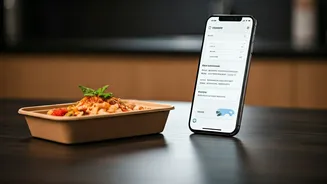
A huge catalyst in changing user behaviour has been the meteoric rise of quick commerce. Platforms like Blinkit, Zepto, and Swiggy Instamart, which promise delivery in 10-30 minutes, have conditioned users to open these apps for almost any immediate need. It started with groceries and daily essentials but is rapidly expanding. When you can get milk, bread, or even a single onion delivered in minutes, the psychological barrier to ordering a meal at 11 AM on a Tuesday disappears. This has trained a whole generation of consumers to rely on these apps as an extension of their own pantry, blurring the lines between cooking at home and ordering in. Quick commerce has effectively turned delivery apps into a daily habit, not just an occasional one.
Rise of the Healthy Subscription
The shift isn't just about convenience; it's also about health. A growing segment of the market is dedicated to nutritionist-designed, calorie-counted meal subscriptions. Services like ParaFit, 6meal, and ACTIVeat offer tailored weekly or monthly plans for weight loss, muscle gain, or general wellness, delivering freshly prepared, healthy meals to your doorstep every day. These services are the antithesis of the indulgent weekend takeaway. They are about planned, consistent, and goal-oriented eating. This demonstrates a fundamental change in how people perceive food delivery: from a source of cheat meals to a tool for maintaining a healthy lifestyle, with options for keto, high-protein, and calorie-smart diets.
Beyond the Metros and Midnight Cravings
This trend is no longer confined to major metros like Bengaluru and Mumbai. Food delivery platforms are rapidly expanding into Tier-2 and Tier-3 cities, making convenience and variety accessible to a much wider audience. This expansion is tapping into new markets where the demand for ready-to-eat food is growing. Simultaneously, there's been a surge in late-night orders, with demand between 11 PM and 3 AM doubling in the past year. This is driven by younger consumers with later schedules and global events like the FIFA World Cup. This 24/7 availability further embeds delivery services into the fabric of daily routines, catering to every possible schedule and craving.