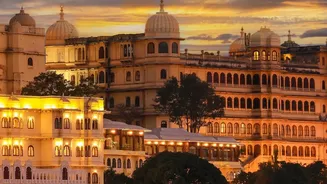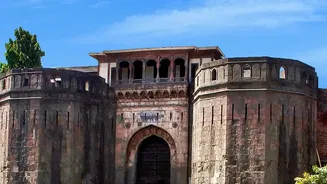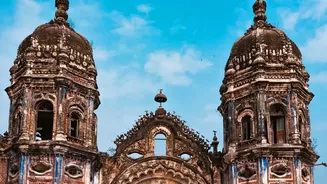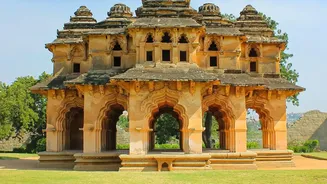



Why Mandu During the Monsoon?
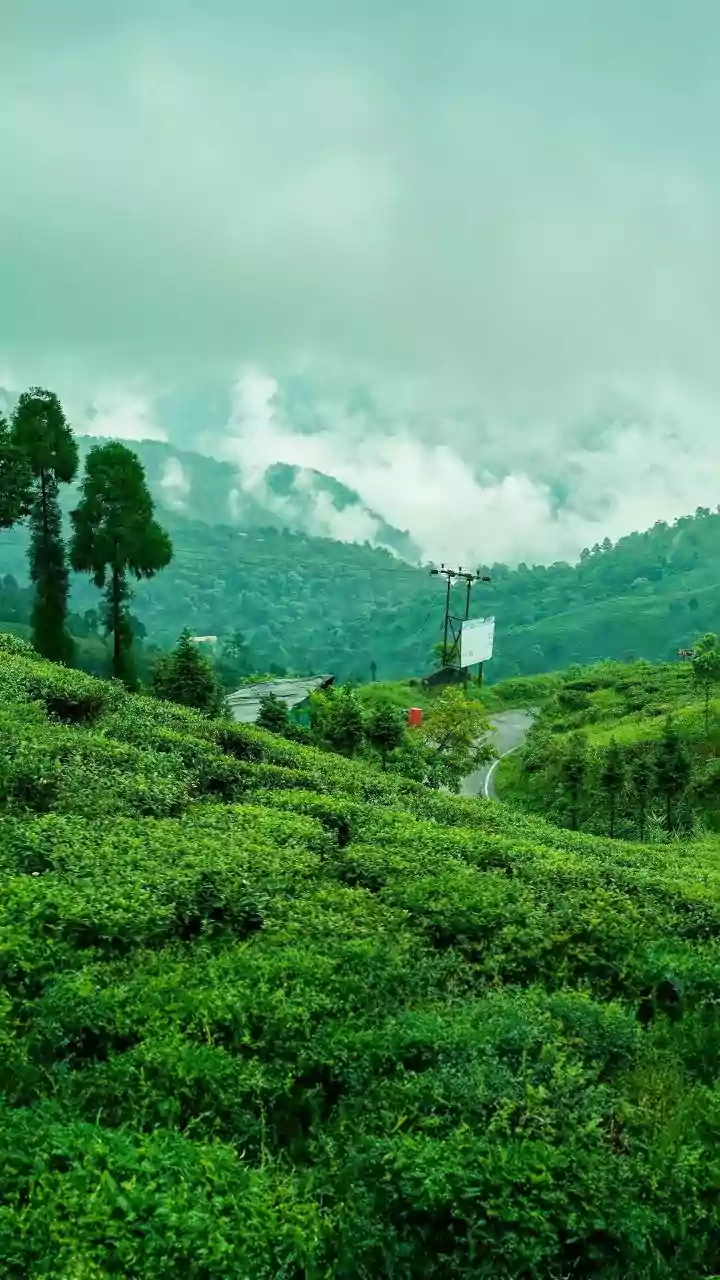
While many destinations slow down during the rains, Mandu comes alive. The monsoon season, from July to September, breathes life into this historic city. The arid landscape transforms into a lush green paradise, ancient reservoirs and lakes fill to the brim,
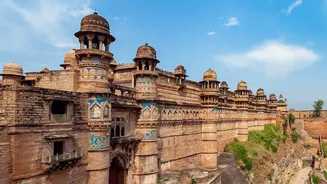
and a cool mist envelops the majestic forts and palaces. Emperor Jehangir himself was so captivated by its rainy season beauty that he nicknamed it 'Shadiabad' or the 'City of Joy'. The washed-clean stone of the monuments contrasts sharply with the vibrant greenery, creating a photographer's dream and a romantic atmosphere that's hard to find elsewhere. It’s the perfect time to explore the city's rich history without the peak season crowds.
Getting There on a Budget
Mandu is located in the Dhar district, roughly 290 kilometres from Bhopal, making it an ideal road trip destination. The most budget-friendly option is to drive, which takes approximately five to six hours. You can take your own car or hire a taxi. Several cab services offer one-way or round-trip packages, with fares for a sedan starting at around ₹3,400. While there is no direct train to Mandu, you could take a train to Ratlam or Indore and then hire a cab for the remaining journey, though this may take longer. For maximum savings, travelling with a group to split the cost of a car or SUV is the best approach. The scenic drive through the Vindhya ranges is part of the experience itself.
Jahaz Mahal: The Ship Palace
The crown jewel of Mandu is undoubtedly the Jahaz Mahal, or 'Ship Palace'. Built in the 15th century by Sultan Ghiyas-ud-din Khilji, this architectural marvel is uniquely positioned on a narrow strip of land between two artificial lakes, the Munj and Kapur Talaos. During the monsoon, when the lakes are full, the palace creates a stunning illusion of a grand ship floating on the water. Originally built to house the Sultan's large royal harem of 15,000 women, its design incorporates advanced hydrological systems and open pavilions that facilitate natural cooling. As you walk through its arched hallways, you can almost hear the echoes of a lavish past. The entry fee for Indian nationals is nominal, making it an accessible highlight for any budget traveller.
Rani Roopmati's Pavilion: A Royal View
No trip to Mandu is complete without visiting Rani Roopmati's Pavilion. This structure is steeped in the legendary romance of Sultan Baz Bahadur and his beloved queen, Roopmati. Originally an army watchtower, it became the queen's retreat. Perched on a southern cliff, it offers breathtaking panoramic views of the Narmada River flowing far below in the plains. According to legend, Roopmati agreed to move to Mandu only if she could have a palace from where she could see her sacred river daily. During the monsoon, the view from the pavilion is spectacular, with clouds rolling across the green valley and the river glistening in the distance. The combination of Afghan-influenced architecture and its romantic history makes it a must-visit spot.
More Affordable Exploration
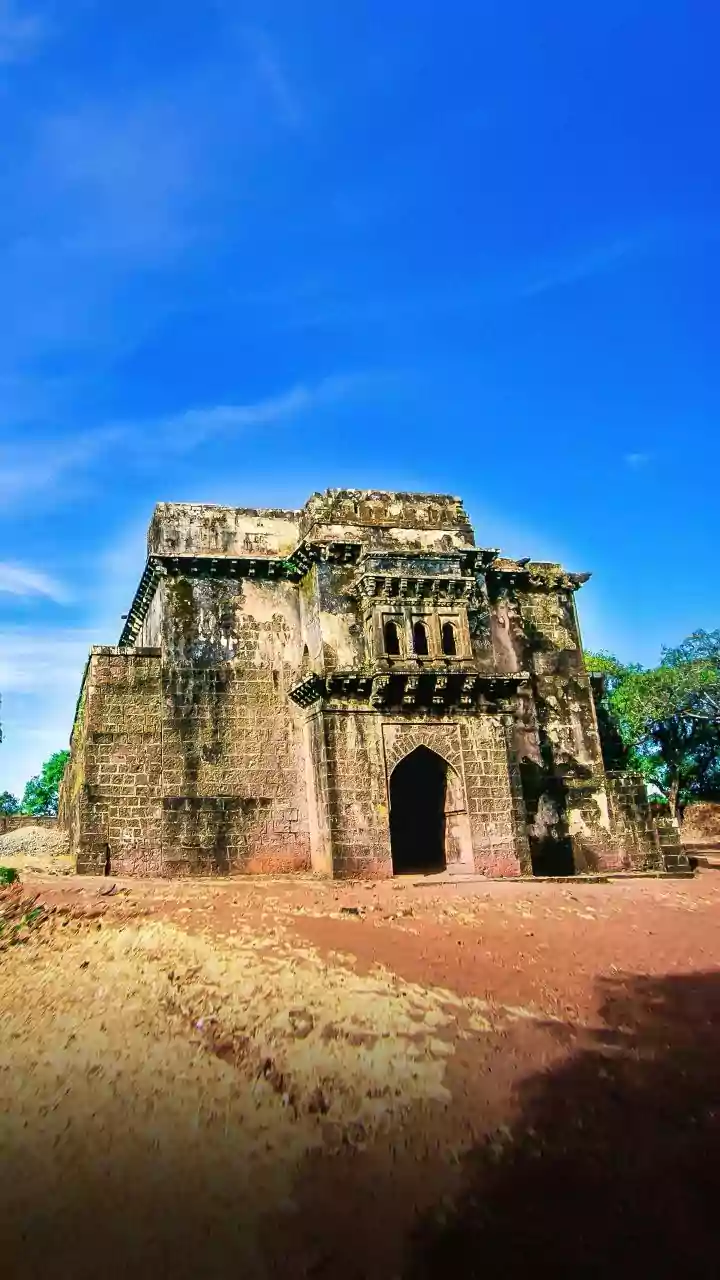
Beyond the main attractions, Mandu is a treasure trove of affordable sights. Your entry ticket often covers a cluster of monuments. Don't miss Hoshang Shah's Tomb, a magnificent structure that is said to be India's first to be built entirely of marble and even inspired architects of the Taj Mahal. The Hindola Mahal, or 'Swinging Palace', is another fascinating structure with its distinctively sloping walls. You can also explore the grand Jami Masjid and the ruins of Baz Bahadur's Palace. For a unique local sight, look for the giant African Baobab trees scattered around the city, believed to have been brought by traders centuries ago.
Smart Spending on Stays and Food
Mandu offers several budget-friendly accommodation options. You can find guesthouses, dharamshalas, and budget hotels with basic amenities, with prices that can be very reasonable. MPT Malwa Resort is a popular mid-range option with good facilities. To save money, consider staying in the nearby town of Dhar, which is less than an hour away and may offer more choices. For food, skip expensive restaurants and head to local eateries or bhojanalayas. Be sure to try regional Malwa specialities like Dal Bafla, a baked wheat ball served with lentils, for an authentic and filling meal that won’t break the bank.