
Ignoring Your Home's Pre-Monsoon Check-up
The most expensive problems are often the ones that start small. A tiny crack in the wall or a handful of leaves in a drain seem minor until the first heavy downpour. Ignoring a pre-monsoon home inspection is a classic error that leads to significant
costs. Leaking roofs can damage ceilings, walls, and furniture, while clogged gutters and drains can cause water to back up and flood your terrace or even enter your home. Before the rains set in, inspect your roof for loose tiles or cracks, clear all drainage pipes, and check exterior walls for any gaps where water might seep in. Applying a fresh coat of waterproof paint on exterior walls and sealing any visible cracks can save you from major repair bills and the unhealthy growth of mould and mildew inside your home. A little proactive maintenance prevents a lot of reactive spending.
Driving Through Waterlogged Streets
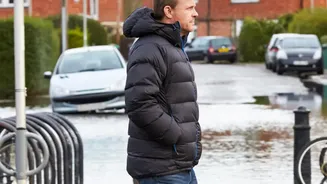
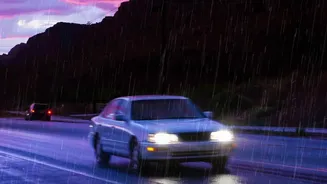
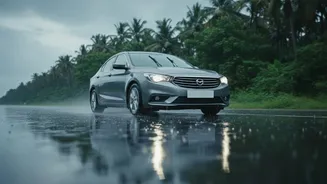
It’s a common sight in Indian cities: a waterlogged underpass and a line of optimistic drivers attempting to push through. This is arguably the single most costly mistake a car owner can make. Driving through even a few inches of standing water can have catastrophic consequences for your vehicle. If water enters the engine’s air intake, it can cause a hydrostatic lock, a condition that can bend piston rods and lead to a complete engine overhaul, costing tens of thousands or even lakhs. Standard comprehensive insurance often does not cover this type of engine damage unless you have a specific 'engine protect' add-on. Furthermore, water can ruin your car's electronics, damage the transmission, and saturate the interior, leading to rust and mould. The golden rule is simple: if you cannot see the road surface beneath the water, do not drive through it. It is always cheaper to turn around and find an alternative route.
Underestimating Monsoon Health Risks
The costs of monsoon aren't just financial; they can also be measured in sick days and medical bills. The rainy season is the peak breeding season for mosquitoes, leading to a spike in vector-borne diseases like dengue and malaria. Stagnant water, a common feature of the monsoon landscape, is the primary breeding ground for the Aedes aegypti mosquito, which spreads dengue. Beyond mosquitoes, contaminated water and food are responsible for a surge in water-borne illnesses such as typhoid, cholera, and gastroenteritis. The high humidity also encourages fungal skin infections. To avoid these health costs, take preventative measures seriously. Use mosquito repellents, prevent water from collecting around your home, drink only boiled or filtered water, and be cautious about street food, especially raw items. Maintaining personal hygiene is your first line of defence.
Neglecting Your Electronics and Wiring
Monsoon storms are frequently accompanied by lightning and unpredictable power cuts, which can create sudden voltage spikes, or power surges. A single power surge is enough to destroy sensitive and expensive electronics like your smart TV, laptop, refrigerator, and Wi-Fi router. Plugging these devices directly into the wall is a gamble. The high humidity can also be detrimental, causing moisture to seep into circuits and lead to short circuits or gradual damage. The most cost-effective solution is to invest in good-quality surge protectors for all your valuable electronics. For added safety, it's wise to unplug non-essential devices during a heavy thunderstorm. Also, ensure your home's electrical wiring is properly checked by a professional to identify and fix any faults or exposed wires that could become hazardous in damp conditions.
Making Unchecked Weekend Travel Plans
A spontaneous weekend trip to the hills or a coastal town seems like a perfect monsoon activity, but it can be a costly mistake without proper research. Heavy rains can trigger landslides and flash floods, particularly in mountainous regions like Himachal Pradesh and Uttarakhand, leading to road closures and stranding tourists. Train schedules and flights can also be delayed or cancelled with little notice. Before booking anything, check the weather forecasts and local travel advisories for your destination. Avoid trekking on routes known to be slippery or risky during the rains, and never underestimate the danger of overflowing rivers and waterfalls for that perfect selfie. Opting for destinations that are known to be safe during the monsoon and having a flexible itinerary with buffer days can prevent you from losing booking money and, more importantly, ensure your safety.