




A Galaxy of Opportunity
For decades, the Indian space programme was synonymous with the Indian Space Research Organisation (ISRO). Today, the landscape is transforming at lightning speed. Following key policy reforms in 2020 and the establishment of the Indian National Space Promotion
and Authorisation Centre (IN-SPACe), the private sector has been unleashed. India's space economy reached an estimated $9 billion in 2026 and is projected to hit $40-45 billion within the next decade. This explosive growth is fueled by nearly 450 space startups that have emerged, attracting significant private investment and creating a wealth of new career paths. This isn't about replacing ISRO; it's about building a broader, more dynamic industry where ISRO focuses on pioneering research while private firms drive commercialisation and scale.
Upstream: Building the Rockets and Satellites
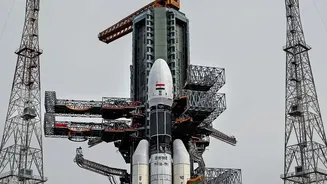
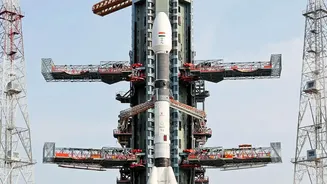
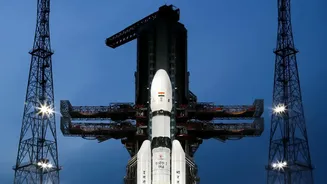
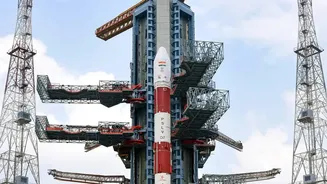
The 'upstream' sector involves the design, manufacturing, and launch of space assets. This is where companies like Skyroot Aerospace and AgniKul Cosmos are making headlines. Skyroot became the first Indian private company to launch a rocket, and both firms are hiring aggressively for roles in engineering and manufacturing. The jobs here are for propulsion, avionics, structural, and systems engineers who build and test the hardware that goes into space. It's not just about rockets. Companies like Dhruva Space are building satellite platforms, creating demand for satellite systems engineers, power systems specialists, and thermal engineers. This manufacturing boom extends to a vast supply chain, with established giants and new startups alike producing everything from tiny components to entire satellite buses.
Downstream: The Power of Space Data
Perhaps the most accessible and rapidly growing area is the 'downstream' sector, which focuses on using data generated from satellites. This data is invaluable for countless industries on Earth. Companies like Pixxel, which is building a constellation of hyperspectral imaging satellites, and SatSure, which provides decision analytics, are at the forefront. The applications are vast: precision agriculture, climate change monitoring, urban planning, infrastructure management, and disaster response. The jobs in this domain don't always require a background in aerospace. The primary demand is for data scientists, remote sensing engineers, GIS analysts, and machine learning specialists who can turn raw satellite imagery into actionable insights. This is where a computer science or data analytics degree can be a direct ticket to a career in the space industry.
Ground Systems and Mission Operations
A satellite in orbit is useless without a team on the ground to control it and receive its data. This is the world of ground systems, a critical part of the space ecosystem that is also seeing significant private sector involvement. This includes building and operating ground stations, managing mission control software, and ensuring reliable communication links with space assets. Job roles here include ground systems engineers, network specialists, and mission operations staff. As the number of private satellites skyrockets, so does the need for robust, scalable ground infrastructure, creating a steady stream of technical and operational jobs that are firmly planted on Earth.
The Skills You Need for Liftoff
While a degree in aerospace engineering is a traditional entry point, the new space economy requires a much wider range of skills. Software engineering, data science, and AI/ML are now just as critical as rocketry. There is also a growing need for professionals in non-technical roles. As startups scale, they are hiring for business development, marketing, finance, and space law and policy. Companies are looking for individuals who are adaptable, can solve problems, and are eager to work in a fast-paced, hands-on environment. Unlike the structured, long-term projects at a national agency, startups offer the chance to work on a product from start to finish and see it fly in a much shorter time frame.