






Understanding the Enemy: Moisture and Still Air
Mould and mildew are fungi that thrive in damp, dark environments with poor ventilation. The high humidity of the Indian monsoon, which can exceed 80-90%, creates the perfect breeding ground. When air in a closet is stagnant, moisture from the atmosphere
gets trapped, settling into fabrics and on surfaces. This allows microscopic mould spores, which are always present in the air, to land, settle, and grow, causing musty odours, fabric damage, and even potential health issues. The key to winning this battle is to disrupt this environment, and the most powerful tool is consistent airflow.
Declutter for Better Circulation
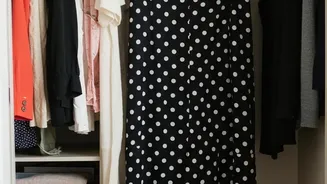
An overstuffed wardrobe is the biggest enemy of airflow. When clothes are packed too tightly, air cannot circulate between them, trapping moisture. The first and most effective step is to declutter. Remove items you no longer wear and consider storing heavy winter wear elsewhere. Aim to leave small but deliberate gaps between hanging garments. This simple act of creating space allows air to move more freely, preventing moisture from becoming stagnant and giving your clothes the breathing room they need to stay fresh.
Airing Out: A Simple, Powerful Habit
One of the easiest habits to adopt is to regularly open your wardrobe doors. On days with low humidity or sunshine, leave the doors open for at least an hour to allow fresh air to circulate and flush out any trapped, moist air. This helps to equalise the humidity inside the closet with the rest of the room. You can enhance this effect by aiming a small fan towards the open wardrobe for a couple of hours to actively move the air around and dry out any residual dampness.
Strategic Use of Moisture Absorbers
While airflow is crucial, sometimes you need extra help to combat intense humidity. Moisture absorbers, or desiccants, are excellent for this. Silica gel packets are highly effective, capable of absorbing up to 40% of their weight in moisture. Place a few sachets in the corners of shelves, in drawers, and inside shoe boxes. For a more natural, traditional approach, consider placing bags of activated charcoal, sticks of chalk, or even a small pouch of camphor (which also acts as a natural pest repellent). Dried neem leaves are another age-old trick to keep microbes at bay. Remember to replace or recharge these desiccants every few weeks as they become saturated.
Smart Storage and Fabric Choices
How you store your clothes matters immensely. Never use plastic bags or containers for long-term storage during the monsoon, as they trap moisture and create a greenhouse for mould. Instead, opt for breathable cotton or muslin garment bags. Ensure that every piece of clothing is completely bone-dry before it goes back into the wardrobe; even slight dampness can cause problems. Whenever possible, give your clothes a final blast of sunlight, which is a natural disinfectant. Paying attention to fabrics like cotton and linen, which are more breathable than synthetics, can also make a difference.