


A Tradition Reimagined
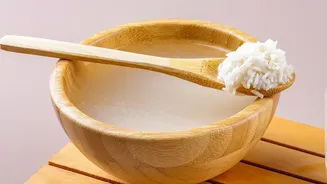
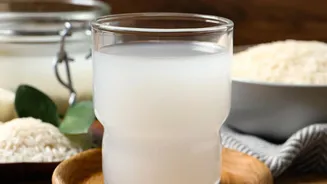
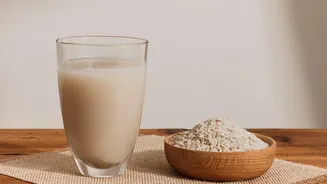
Using the starchy water left over from rinsing or boiling rice is not a new wellness hack. It's a practice with a long history in many Asian cultures. For centuries, women in countries like China and Japan have used this humble byproduct as a hair rinse
to achieve long, strong, and shiny locks. The famed Yao women from Huangluo village in China, known for their incredibly long hair that often doesn't grey until their late 80s, credit their hair health to washing with fermented rice water. The fermentation process, where the rice water is left to sit for a day or two, is believed to enhance its properties by increasing nutrient levels and lowering the pH. Today, this tradition is being shared globally, with many claiming benefits not just for hair, but for internal health as well.
The Haircare Holy Grail?
Social media is filled with testimonials from users who claim fermented rice water has transformed their hair, making it smoother, stronger, and longer. The logic is that rice water is rich in nutrients like amino acids, B vitamins, vitamin E, and minerals. One key component often highlighted is inositol, a carbohydrate that studies suggest can penetrate damaged hair and remain inside the shaft even after rinsing, forming a protective shield that strengthens strands and reduces breakage. Fermentation makes these nutrients more potent and bioavailable. The process breaks down large protein molecules into smaller amino acids that can better reinforce the hair structure and lowers the water's pH to be closer to the hair's natural acidity, which helps to seal the cuticle, leading to increased shine and reduced frizz.
A Boost for the Gut?
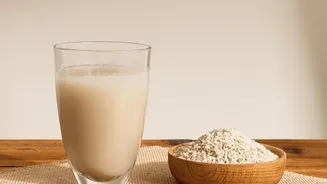
The claims extend beyond external beauty. Some wellness proponents advocate for drinking fermented rice water, suggesting it acts as a natural probiotic. Known in some parts of India as 'Neeragaram' or 'Pazhaya Kanji', this traditional drink is seen as a way to support digestive health. The theory is that the fermentation process encourages the growth of beneficial bacteria, like Lactobacillus. Consuming these probiotics is said to improve the gut microbiome, which can help with issues like bloating and indigestion, reduce inflammation, and enhance nutrient absorption. It's also believed to be a source of postbiotics—the beneficial compounds created by bacteria during fermentation—which may have anti-inflammatory effects throughout the body.
How to Prepare It at Home
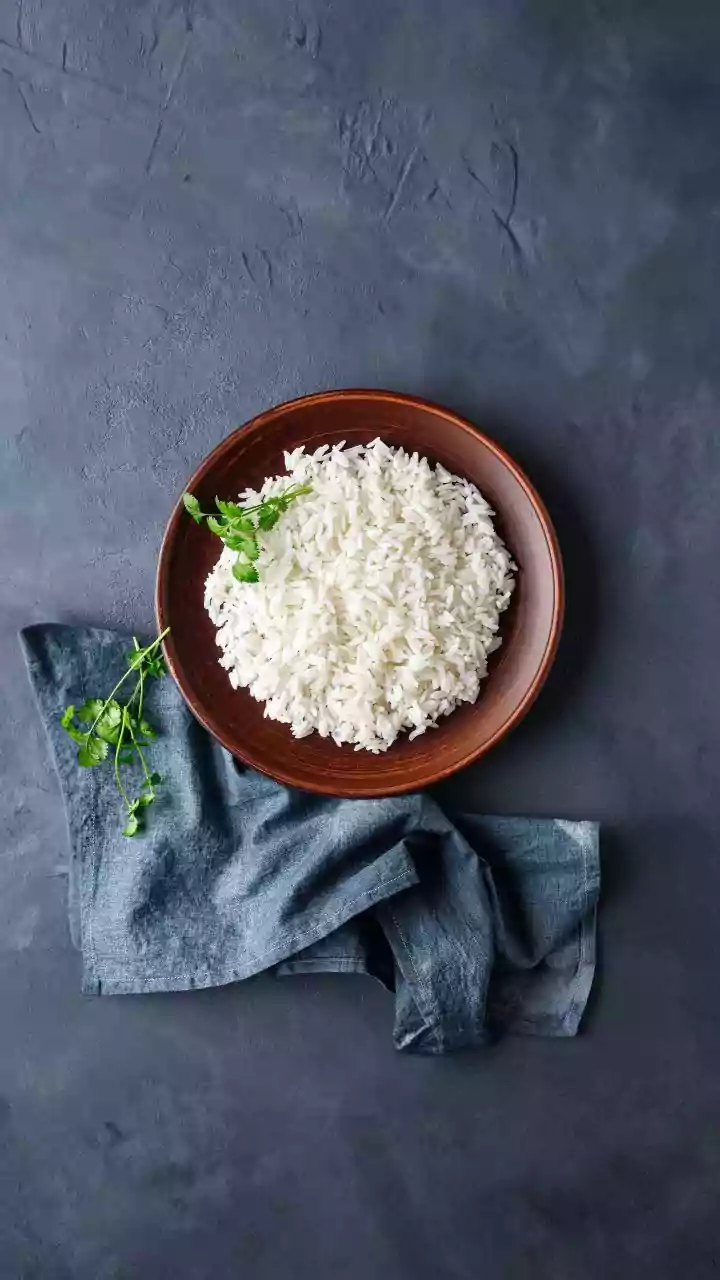
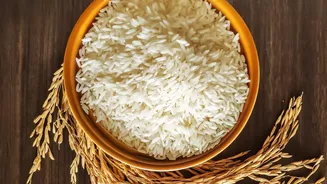
For those curious to try the hair treatment, the process shared by creators is simple. Start by thoroughly rinsing half a cup of uncooked rice. Then, soak the clean rice in about two to three cups of water. After at least 30 minutes (or up to a few hours), strain the cloudy water into a clean jar. To ferment it, cover the jar and leave it at room temperature for 12 to 48 hours, or until it develops a slightly sour smell. It should then be stored in the refrigerator. For hair application, it is often used as a final rinse after shampooing. Pour it over your hair, massage it into your scalp and strands, leave it on for up to 20 minutes, and then rinse thoroughly with plain water. Most users recommend this treatment once or twice a week, as overuse of the protein-rich water could potentially make hair stiff.
Reality Check: What Do Experts Say?
While anecdotal evidence is plentiful, clinical scientific backing is limited. For hair, dermatologists note that while the nutrients in rice water are associated with hair health, there's no conclusive clinical proof that it directly causes hair growth. Some experts caution that the high starch content could potentially dry out certain hair types, especially low-porosity hair that is prone to buildup. The benefits are more likely linked to strengthening existing hair and reducing breakage, which helps in retaining length. When it comes to gut health, experts are much more cautious. While traditionally prepared fermented foods can be beneficial, there is a significant risk with uncontrolled home fermentation. Harmful bacteria can easily contaminate the mixture, leading to foodborne illness. Nutritionists and doctors advise against drinking homemade fermented rice water unless you are familiar with safe fermentation practices. While some studies on traditional preparations show promise for gut health and hydration, it is not a cure-all for chronic digestive issues. For any persistent gut problems, consulting a healthcare professional is essential.