


The Power of One Great Pot
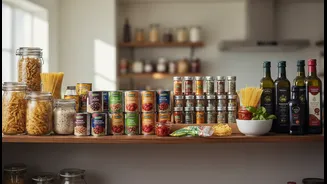
The simplest strategy for a future meal is the one-pot wonder. Think of big-batch soups, stews, and chilis that only get better after a day or two in the fridge. A large pot of chili, for example, is a fantastic starting point. Made with ground meat or beans,
canned tomatoes, and spices, it requires minimal active cooking time and can simmer away while you do other things. The leftovers are incredibly versatile: have a bowl as-is one night, then use it to top a baked potato, stuff into a burrito, or create a quick plate of nachos later in the week. The key is to make a batch large enough to provide several meals, effectively solving the dinner dilemma for multiple nights with a single cooking session.
The Versatile Base Protein
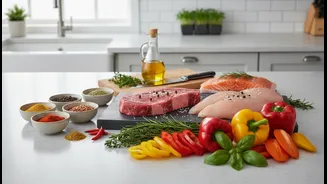
Instead of cooking a full meal, sometimes the best approach is to prepare a single, versatile protein that can be used in many different ways. Slow-cooked pulled chicken is a prime example. You can cook a large quantity of chicken breasts or thighs in a slow cooker with a little broth or a simple sauce, then shred the meat. This tender, flavorful chicken can be stored in the fridge for several days. One day it might become the filling for sandwiches or wraps with some pre-washed lettuce. The next, it can be tossed with barbecue sauce for a quick main dish, added to a pre-made salad base, or mixed with pasta and a jar of sauce. This component-based meal prep provides flexibility and prevents the boredom that can come from eating the exact same meal repeatedly.
The All-Purpose Grain and Veggie Mix
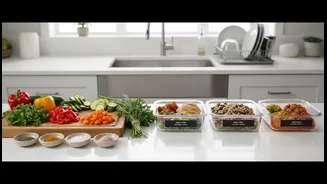
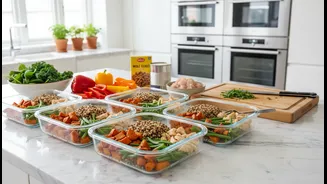
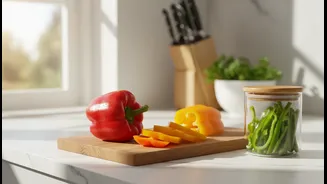
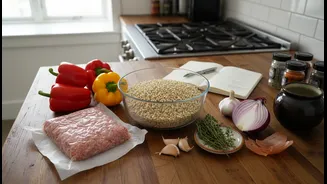
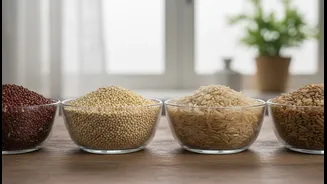
Another effective strategy is to batch-cook foundational components like grains and roasted vegetables. Roasting a large sheet pan of chopped vegetables like bell peppers, onions, broccoli, and sweet potatoes is a low-effort, high-reward activity. While they're in the oven, you can cook a large batch of quinoa, rice, or barley. Store these components separately in airtight containers. When hunger strikes and energy is low, you can assemble a nourishing grain bowl in minutes. Simply combine a scoop of grains with a generous portion of roasted vegetables, and top it with a simple protein like canned chickpeas or some of that pre-cooked shredded chicken. A drizzle of store-bought dressing or a squeeze of lemon is all you need to finish it off.
Storing and Reheating for Success
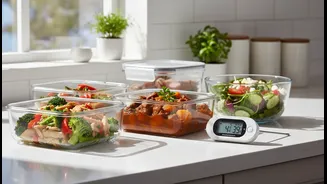
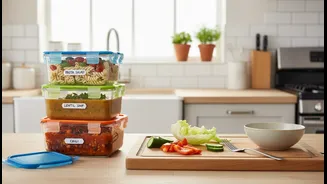
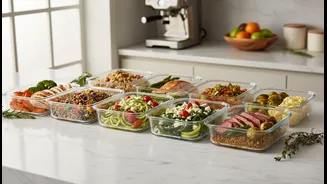
How you store and reheat your make-ahead meal is just as important as how you cook it. For fridge storage, airtight glass containers are ideal as they don't stain and can often go from the fridge to the microwave or oven. When reheating, the general rule is to use the same method the food was cooked with, but a microwave is often the fastest option for low-energy days. To prevent food from drying out in the microwave, cover it with a damp paper towel or a microwave-safe lid; adding a splash of broth or water to dishes like pasta or rice can also help restore moisture. For items you want to keep crispy, like roasted vegetables, a few minutes in an air fryer or toaster oven works wonders. Always ensure food is heated through to a safe temperature.