

Embrace Traditional Immunity Boosters
Ayurveda tells us that our digestive fire, or 'Agni', is weakest during the monsoon, making us susceptible to illness. This is where traditional kitchen ingredients shine. Spices like turmeric (haldi), ginger (adrak), and black pepper are not just for
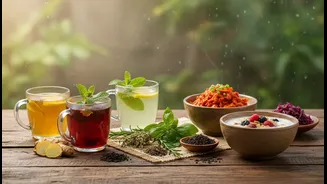
flavour; they are powerful digestive aids and immune boosters. A daily cup of warm herbal tea, or 'kadha', made with tulsi, ginger, and a pinch of turmeric can help improve immunity and ward off common colds and coughs. Turmeric milk, or 'haldi doodh', before bed is another comforting tradition that leverages turmeric's anti-inflammatory and antimicrobial properties to keep you healthy. These simple, warm preparations are easy on the digestive system and align with the Ayurvedic principle of eating warm, cooked food during this season.
Rethinking Leafy Greens and Salads
Traditional wisdom often advises against eating leafy green vegetables during the monsoon due to the high risk of contamination from mud, worms, and bacteria. While the concern is valid, modern hygiene practices offer a safe way to keep these nutrient-rich foods in your diet. Instead of avoiding them completely, the key is meticulous cleaning. The Food Safety and Standards Authority of India (FSSAI) emphasizes washing all vegetables thoroughly under clean, running water. For extra safety, you can soak greens in a solution of water with a little salt or vinegar for a few minutes, followed by a thorough rinse. It's also best to avoid raw salads outside the home. At home, if you must have a salad, prepare it fresh after washing the ingredients scrupulously. Steaming or lightly cooking vegetables is the safest bet, as the heat kills most harmful pathogens.
Hydration, with a Hygienic Twist
While it is important to stay hydrated, the monsoon season is when water-borne diseases like typhoid, cholera, and jaundice are most common. Therefore, how you hydrate is critical. Never drink tap water directly. The safest option is to always drink boiled or properly filtered water. Ayurveda also recommends sipping warm water throughout the day, as it aids digestion. Avoid juices from street vendors, as the water and ice used may be contaminated. Instead, opt for freshly prepared warm soups or herbal teas at home. If you are outside, carry your own water bottle or purchase sealed, packaged water from a reliable brand.
Navigating Street Food Cravings Safely
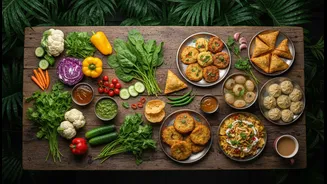
The rainy weather triggers cravings for hot, fried snacks like pakoras and samosas. While indulging is part of the monsoon experience, street food carries a high risk of infection during this season due to unhygienic preparation and storage. FSSAI guidelines for vendors, such as using potable water and covering food, are not always strictly followed. A much safer alternative is to prepare these snacks at home, where you can control the hygiene, oil quality, and freshness of ingredients. If you do decide to eat street food, choose vendors that appear clean and cook the food fresh in front of you. Opt for piping hot items like roasted corn (bhutta) or freshly fried vada pav, and steer clear of anything with raw chutneys, pre-cut garnishes, or items that have been sitting out in the open.
Prioritise Light, Easy-to-Digest Meals
The Ayurvedic principle of favouring light, easily digestible food during the monsoon is backed by modern science. The humid weather can slow down our metabolism, and heavy, oily, or leftover foods can lead to bloating and indigestion. Traditional comfort foods like khichdi, moong dal soup, and steamed vegetables are excellent choices. These meals provide ample nutrition without overburdening the digestive system. Incorporating digestive spices like cumin (jeera), coriander (dhania), and asafoetida (hing) can further support gut health. It's also wise to avoid or reduce the intake of heavy dairy products like curd, which Ayurveda suggests can be difficult to digest during this season. A light, warm meal is not just comforting on a rainy day; it's a strategic move to keep your digestive system and, by extension, your immune system, in top shape.