






The Science of Everyday Movement
It sounds technical, but Non-Exercise Activity Thermogenesis (NEAT) is simply the energy you burn doing everything except sleeping, eating, or dedicated exercise. It’s the calories used for activities like walking to your car, fidgeting at your desk,
doing household chores, or even just standing up. While each action might seem minor, their cumulative effect can be surprisingly significant. NEAT is a major component of your total daily energy expenditure, and it varies dramatically from person to person—sometimes by hundreds of calories per day. This variation helps explain why two people with similar diets and body types can have very different energy levels and body compositions.
Why NEAT Matters More Than You Think
In modern life, many jobs are sedentary, which has dramatically reduced the average person's NEAT. While formal exercise is crucial for heart health and strength, it only makes up a small portion of your week. NEAT, however, covers all your waking hours. Research has shown that individuals who are naturally leaner tend to have higher NEAT levels; they might stand and walk around for hours more each day than individuals who are overweight. By consciously increasing your daily NEAT, you can boost your metabolism and contribute to long-term weight management without adding more sessions at the gym. It’s not about replacing your workout, but supplementing it by reducing a major health risk: prolonged sitting.
Upgrade Your Workstation for Wellness
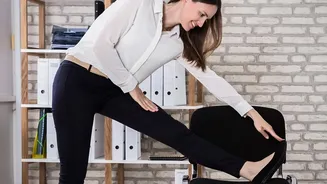
Your desk is a perfect place to start boosting NEAT. The standing desk is a popular tool for this very reason. While standing doesn't burn a huge number of extra calories per minute, the effect adds up. Studies show standing can burn anywhere from 8 to 50 more calories per hour compared to sitting, depending on your body weight and other factors. Over a year, that could translate to several pounds of fat mass. Beyond standing desks, you can pace while on phone calls, use a small pedal exerciser under your desk, switch to a stability ball chair to engage your core, or simply set a timer to get up and stretch every hour. Even fidgeting has been shown to burn more calories than staying completely still.
Turn Household Chores into Calorie Burners
Your home is full of opportunities to increase your movement. Instead of seeing chores as a burden, reframe them as a chance to be active. Simple tasks like vacuuming, scrubbing floors, and carrying laundry baskets up and down stairs are all forms of NEAT. To maximize the benefit, try being less efficient: put away laundry one small pile at a time to get more trips in. Wash dishes by hand instead of just loading the dishwasher, cook meals from scratch, and engage in active yard work like gardening or raking leaves. Playing actively with your children or pets is another excellent way to get moving without it feeling like a workout.
Making Every Trip and Errand Count
Incorporate more movement into your life outside the home and office. The classic advice to take the stairs instead of the elevator is a prime example of boosting NEAT. When you go shopping, park your car at the far end of the parking lot to get in extra steps. If you take public transportation, consider getting off one stop early and walking the rest of the way. When running small errands, opt to carry your groceries in a basket instead of pushing a cart for a light form of resistance training. Every small decision to move your body instead of taking the easiest path contributes to your overall daily energy expenditure.