
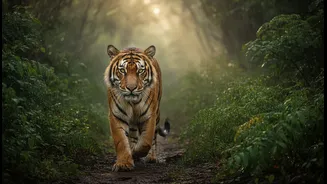


The Magic of a Monsoon Safari
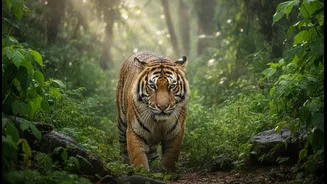
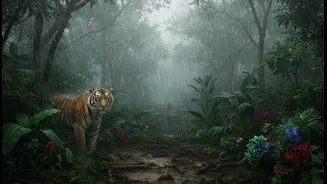
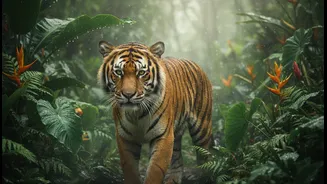
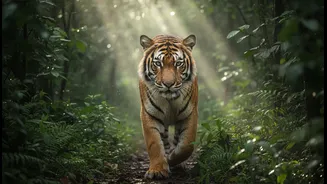
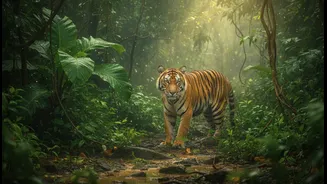
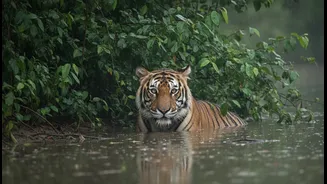
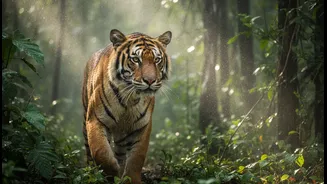
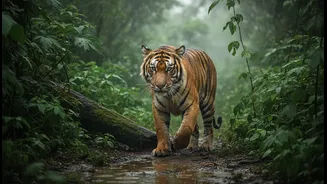
While the dry, hot summer is traditionally peak season for spotting tigers near waterholes, the monsoon offers a completely different kind of magic. The parched landscapes of summer give way to a vibrant, rain-washed world of green. The air is fresh,
the dust settles, and the forest comes alive with the sounds of croaking frogs and singing birds. For photographers, the dramatic skies and verdant scenery provide a stunning backdrop. Another significant advantage is the lack of crowds. With fewer tourists, you can enjoy a more peaceful and intimate connection with nature. Many resorts and hotels also offer attractive discounts during this “off-season,” making it a budget-friendly option for a wildlife getaway.
Which Parks Welcome the Rains?
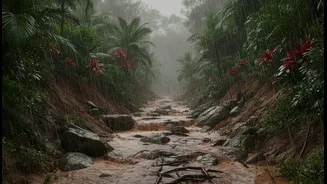
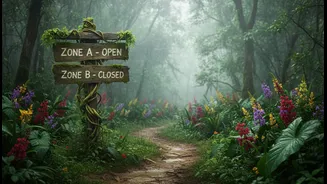
Contrary to popular belief, not all national parks shut down completely. While the core zones of most tiger reserves close from July to September for the breeding season and due to difficult track conditions, many have designated buffer zones that remain open for safaris. These buffer areas are not consolation prizes; they boast rich biodiversity and offer excellent wildlife viewing. Top choices include Ranthambore in Rajasthan, where zones 6 through 10 stay open for jeep safaris. In Maharashtra, the buffer zones of Tadoba-Andhari Tiger Reserve are famous for monsoon excursions. Jim Corbett National Park in Uttarakhand keeps buffer areas like Jhirna, Dhela, and Garjiya accessible. Down south, parks in Karnataka like Nagarhole and Bandipur, along with Periyar in Kerala, often remain open year-round, weather permitting.
Managing Wildlife Sighting Expectations
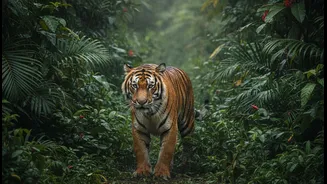
It's important to set the right expectations for a monsoon safari. The dense, green foliage can make spotting animals, especially elusive big cats, more challenging than in the summer. However, sightings are far from impossible. With water sources abundant everywhere, animals are more dispersed rather than concentrated at a few waterholes. This is a chance to appreciate the entire ecosystem. The monsoon is a fantastic time for birdwatching, as many species are actively nesting and feeding. Reptiles and amphibians are at their most active. You’re also likely to see large herbivores like sambar deer, spotted deer, and gaur enjoying the plentiful vegetation. In parks like Periyar and Kabini, large herds of elephants are a common and magnificent sight.
Your Monsoon Safari Planning Guide
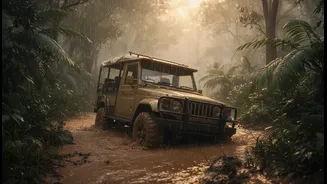
Since safari permits are limited, especially with fewer zones open, booking your jeep safaris well in advance is crucial. This can be done online through official park websites or trusted travel operators. When packing, think waterproof. A good raincoat, waterproof pants, and sturdy, quick-drying footwear with good grip are essential. Protect your electronics with waterproof bags or covers for your camera and phone. Don’t forget a powerful insect repellent. Be prepared for travel disruptions. Heavy rains can sometimes lead to muddy roads or cause safari cancellations for safety reasons, so it’s wise to build some flexibility into your itinerary. Choose accommodations that are well-equipped for the season and offer easy access to the open safari gates.