






The Humid, Dark Canvas
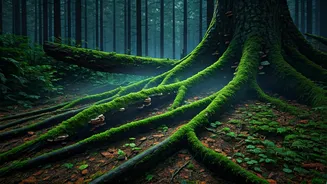
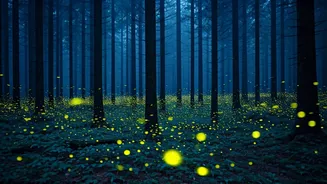
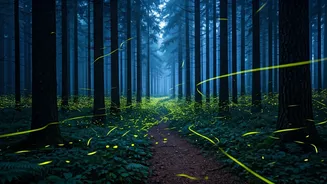
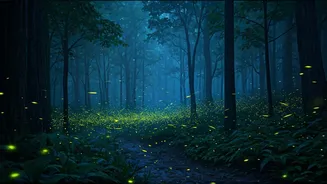
Imagine stepping into the Western Ghats after midnight during the peak of the monsoon. The air is thick with the smell of wet earth and decaying leaves. A chorus of frogs and insects provides the only soundtrack, punctuated by the steady drip of water
from towering canopies. It’s a challenging environment, one where leeches are plentiful and every shadow plays tricks on the eyes. For most, it’s a time to be indoors. But for nature photographers, this darkness is not an obstacle; it’s the necessary canvas for one of nature’s most enchanting spectacles.
A Faint, Otherworldly Glow
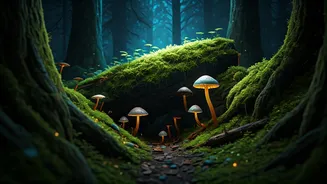
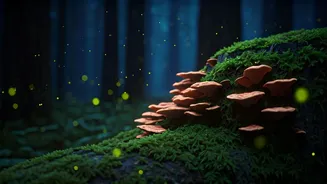
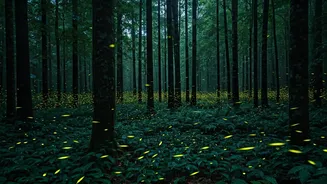
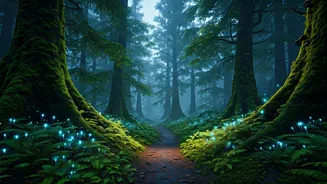
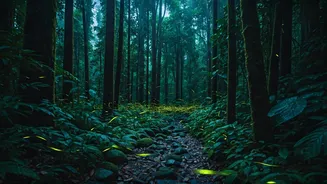
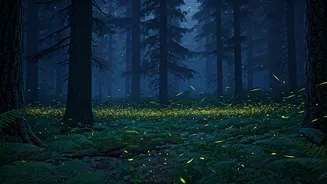
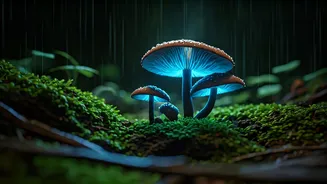
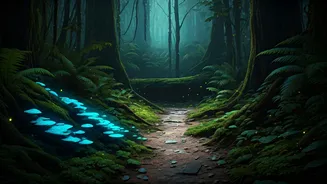
After hours of patient trekking, they see it. At first, it’s just a faint, ghostly glimmer on a fallen log or a decaying tree stump. As their eyes adjust, the spectacle unfolds: delicate clusters of tiny mushrooms casting an ethereal green light. This is not a trick of the moonlight, but bioluminescence—life creating its own light. Known locally in some regions as ‘electric mushrooms’, these fungi transform the forest floor into a scene straight out of a fantasy film. The glow is subtle, not a floodlight but a soft, steady luminescence that seems to breathe in the darkness, creating a truly magical atmosphere.
The Science Behind the Spectacle
This natural light show is the work of fungi, most often from the genus *Mycena*. The glow is the result of a chemical reaction involving a compound called luciferin and an enzyme, luciferase. When oxygen is introduced, the reaction emits energy in the form of cold, green light. But why do they do it? Scientists believe the glow serves a specific purpose: to attract nocturnal insects. These insects, drawn to the light, crawl over the mushrooms and inadvertently pick up spores, which they then carry off into the forest, helping the fungus propagate and spread. It’s a brilliant, silent strategy for survival, disguised as pure magic.
The Photographer's Quest
Capturing this phenomenon is an art form that demands immense patience and technical skill. The faintness of the light requires photographers to use long exposure times—often 30 seconds or more—with their cameras mounted on sturdy tripods. Any vibration can ruin the shot. The high humidity fogs up lenses, and the constant darkness makes focusing a meticulous, often frustrating, process. These ‘wilderness lensmen’ endure the discomforts of the monsoon jungle, battling insects and the damp, all for that one perfect shot that conveys the eerie beauty of the glowing forest. It's a pursuit that is as much about the meditative experience of being in nature as it is about the final photograph.
Where the Forests Light Up
While this phenomenon has been reported in various parts of India, including Meghalaya and Goa, the southern hills of the Western Ghats are a particularly famous hotspot. Regions in Maharashtra, Karnataka, and Tamil Nadu's Meghamalai Wildlife Sanctuary have become destinations for those seeking the glow. The key is timing. The bioluminescence is at its peak during the heaviest monsoon months, typically from June to September, when the forest is saturated with moisture, providing the perfect conditions for the fungi to fruit and glow. For those lucky enough to witness it, it’s a powerful reminder of the hidden wonders that thrive in India's rich, biodiverse landscapes.