

The Golden Rule: Embrace Brass
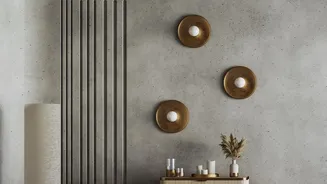
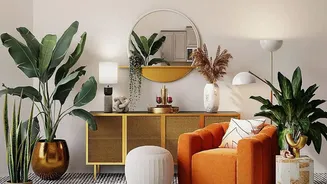
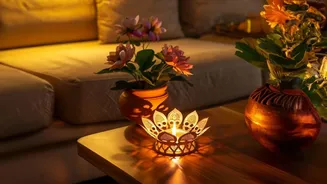
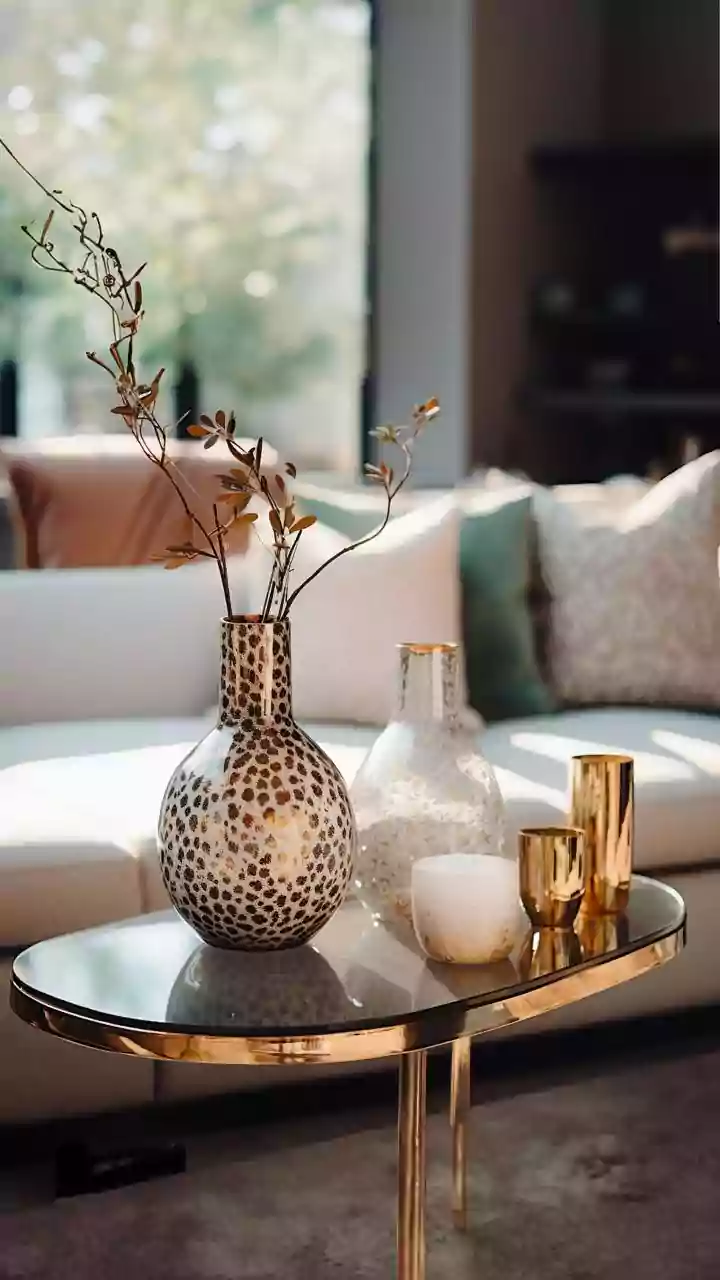
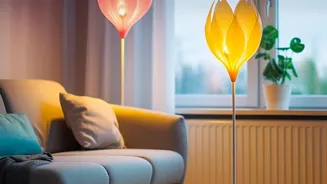
Brass is making a major comeback in interior design, and for good reason. Its warm, golden tones add a touch of timeless elegance to any living room, whether as a statement floor lamp, a set of detailed drawer pulls, or artisanal planters. But beyond
its visual appeal, brass is a champion of sustainability. It is exceptionally durable and corrosion-resistant, meaning a quality brass lamp can last for decades, far outlasting trendier, mass-produced alternatives. Furthermore, brass is infinitely recyclable without losing its quality or strength. Choosing fixtures made from recycled brass reduces the demand for new raw materials and the energy needed for production, making it a responsible and stylish choice. This aligns with a growing desire for objects with a story and a smaller environmental footprint.
Biophilia: Let Nature In
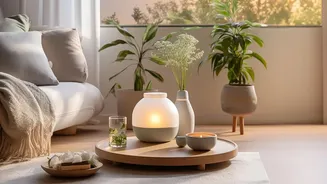
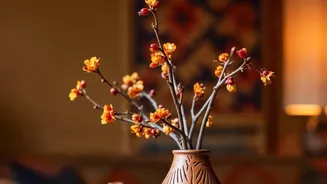
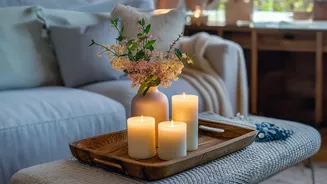
The concept of biophilic design—our innate need to connect with nature—is transforming our living spaces. The simplest way to embrace this trend is by bringing the outdoors in with fresh flowers and lush houseplants. A vase of seasonal blooms on a coffee table or a collection of potted plants like areca palms and money plants can instantly boost a room's mood and even purify the air. This trend is about more than just adding a pot plant; it's about creating an environment that feels alive and restorative. Research shows that incorporating natural elements into our homes can reduce stress, enhance mood, and support overall well-being.
Bloom Sustainably: A Guide to Eco-Conscious Flowers
While fresh flowers are beautiful, their environmental impact can be significant due to transportation and refrigeration. To enjoy flowers more sustainably, a few simple choices can make a big difference. Prioritise buying local and seasonal blooms from a nearby farmers' market. This not only supports local growers but also drastically cuts down on the carbon footprint associated with imported flowers. If you have the space, consider growing your own cutting garden. To make your arrangements last longer, change the water daily and trim the stems at an angle. You can also explore the beauty of dried and pressed flowers, which offer a permanent and zero-waste way to bring floral elements into your decor.
The Fabric of Our Lives: Natural Textiles
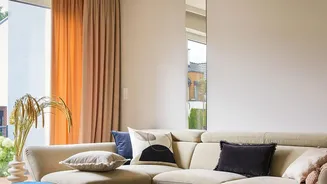
Another key element of an eco-friendly living room is the use of natural fabrics. Materials like organic cotton, linen, jute, and khadi are replacing synthetic options for everything from curtains and cushions to rugs and upholstery. These fibres are biodegradable, breathable, and bring a wonderful sense of texture and warmth to a space. In the Indian context, this trend celebrates a rich heritage of handloom textiles like ikat and block prints, which can be used for accent pieces like wall hangings or cushion covers to add a unique, artisanal touch. Choosing these materials supports traditional crafts and reduces the presence of plastics and synthetic chemicals in your home.
Secondhand First: The Charm of Pre-Loved Pieces
Sustainable decorating isn't just about buying new eco-friendly items; it's also about giving existing items a new lease on life. Scouring local markets or online platforms for secondhand furniture is one of the most impactful ways to decorate sustainably. A vintage wooden bookshelf, a pre-loved armchair, or a retro brass side table not only prevents waste but also adds character and a unique story to your living room. This approach rejects the 'fast furniture' model, instead fostering a 'buy less, buy better' philosophy that results in a more personal and curated home.