


More Than Just a Day Trip
The Indian Space Research Organisation (ISRO) is not just a source of national pride; it's a massive ecosystem of science, engineering, and innovation. While its achievements like Chandrayaan and Gaganyaan make headlines, the real work happens in its numerous
centres across the country. For a student passionate about Science, Technology, Engineering, and Mathematics (STEM), a visit to one of these facilities is a transformative experience. It’s a chance to see textbook theories come alive. Suddenly, concepts like propulsion, thermodynamics, and signal processing are not just chapters to be memorised for an exam, but tangible principles at work in rockets and satellites. This direct exposure helps demystify the complexities of space technology and makes a career in the field feel attainable.
What You Can Actually See and Do
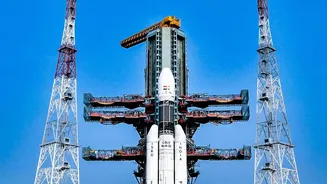
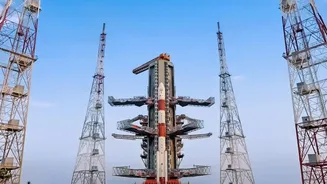
Several ISRO centres are open to student groups and the public, each offering a unique glimpse into India's space programme. The Vikram Sarabhai Space Centre (VSSC) in Thiruvananthapuram, the lead centre for launch vehicle technology, has a dedicated Space Museum. Here, visitors can see full-scale models of launch vehicles like the PSLV and GSLV. The Satish Dhawan Space Centre (SDSC) in Sriharikota, India's spaceport, offers a viewing gallery for the public to witness rocket launches. Other centres like the U R Rao Satellite Centre (URSC) in Bengaluru and the Space Applications Centre (SAC) in Ahmedabad also have exhibition halls. Visits often include documentary screenings and sometimes even interactions with scientists, providing a direct channel for curious minds to ask questions.
How to Plan Your Visit
A visit to an ISRO facility isn't a casual affair; it requires planning. Individual visits are generally not permitted, so access is almost always through an educational institution. The standard procedure involves a formal request letter from the school principal or college head of department sent to the Public Relations Officer of the specific ISRO centre you wish to visit. It's crucial to mention the purpose of the visit, the number of students, and preferred dates. Given the high-security nature of these facilities, photography is strictly prohibited, and electronic gadgets are not allowed inside. Several centres, including VSSC and URSC, have detailed information and online portals to facilitate these requests.
Translating the Visit into Career Capital
The real value of an ISRO visit lies in how you leverage it. On a resume or in a college application, it demonstrates genuine interest and initiative beyond the standard curriculum. It becomes a talking point in an interview, allowing you to showcase your passion with a concrete example. For a college student, it can be framed as an 'industrial visit' and can be used to write a detailed report, connecting classroom learning to real-world engineering challenges. It shows recruiters and admissions committees that you are proactive about your learning and have sought out opportunities to understand the industry you wish to enter. This can be a significant differentiator in a competitive field.
Beyond a Visit: The ISRO Educational Ecosystem
A physical tour is just one part of ISRO's extensive outreach. The organisation runs several other programmes designed to nurture young talent. The most prominent among these is the "Young Scientist Programme" or YUVIKA, a two-week residential programme for school students. This initiative provides hands-on experience, lectures by senior scientists, and a deep dive into space technology. Furthermore, ISRO offers internships and supports student projects at its various centres, though these are typically for college-level students in specific engineering and science disciplines. The Indian Institute of Remote Sensing (IIRS) in Dehradun also conducts numerous online courses and outreach programmes.
The Expanding Universe of Space Careers
A visit can also open students' eyes to the vast diversity of careers in the space sector. It's not just about becoming a rocket scientist or an astronaut. India's growing space economy needs a wide range of professionals, from aerospace and mechanical engineers to computer scientists who write mission software. The boom in private space startups like Skyroot Aerospace and Agnikul Cosmos has created demand for satellite data analysts, legal experts in space law, and advanced manufacturing specialists. Seeing the scale of operations at an ISRO facility helps students understand that whether their interest is in materials science, electronics, or data analytics, there is likely a place for them in India's space journey.