







An Ancient Secret, Not a New Trend
Before rice water became a hashtag, it was a cherished beauty ritual in many parts of Asia. For centuries, women have used the starchy water left over from washing rice to cleanse and nourish their hair and skin. Most famously, the Yao women of Huangluo
village in China, who are listed in the Guinness Book of World Records as the 'world's longest hair village,' credit their incredibly long, strong, and dark hair to a daily rinse with fermented rice water. This historical context is important: the internet may have just discovered it, but this practice is rooted in generations of traditional wisdom.
What's Behind the Hype?
So, why the sudden explosion in popularity? It’s a perfect storm of factors. Rice water is incredibly accessible and affordable—if you have rice in your pantry, you can make it. In an era where consumers are increasingly wary of long, complicated ingredient lists, a single-ingredient, natural remedy is highly appealing. It aligns perfectly with the DIY beauty movement and the desire for 'clean' and sustainable routines. The visual transformation—from dull to shiny hair—also makes for compelling before-and-after content on platforms like TikTok and Instagram, fuelling its viral spread. It’s a low-risk, low-cost experiment with the promise of high reward.
The Science of the Shine
While most of the evidence is anecdotal, there is some science to support the beauty claims. Rice water is rich in nutrients that are beneficial for hair and skin. It contains amino acids, which are the building blocks of protein and can help strengthen the hair shaft. It’s also packed with vitamins B and E, minerals, and antioxidants. The star ingredient is often cited as inositol, a carbohydrate that is believed to penetrate damaged hair and repair it from within, while also protecting it from future damage. For skin, the starchy liquid is thought to have soothing properties, helping to calm inflammation and tighten pores, much like a gentle toner. However, it's crucial to note that large-scale clinical studies are lacking, so results are not guaranteed.
How to Make It at Home
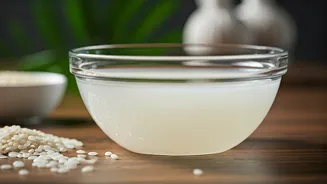
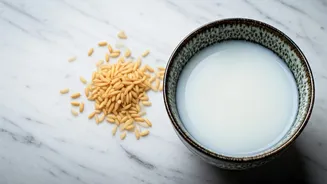
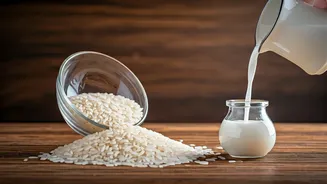
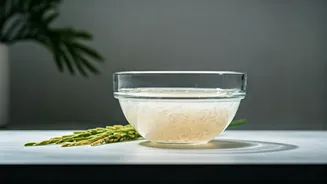
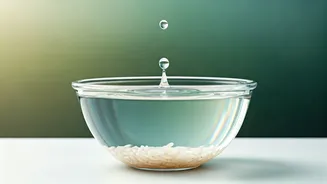
Making your own rice water is simple. There are two popular methods: 1. **The Soaking Method (Quickest):** Take half a cup of uncooked rice (any kind will do, but many prefer white or jasmine rice). First, give it a quick rinse to remove any dirt. Then, place the rinsed rice in a bowl with two to three cups of water. Let it soak for at least 30 minutes, swirling it around occasionally until the water turns cloudy. Strain the water into a clean container, and it’s ready to use. 2. **The Fermented Method (More Potent):** Follow the same soaking steps, but instead of using the water immediately, leave it in a jar at room temperature for 24 to 48 hours. The fermentation process lowers the pH of the water, bringing it closer to the hair's natural pH, and is thought to enhance the concentration of nutrients and antioxidants. Once it develops a slightly sour smell, it’s ready. You can store your rice water in the refrigerator for up to a week.
Your DIY Rice Water Ritual
The most common way to use rice water is as a hair rinse. After shampooing and rinsing your hair as usual, pour the rice water over your hair, making sure to saturate it from root to tip. Gently massage it into your scalp and through your strands. Let it sit for 15 to 20 minutes—you can clip your hair up while you wait. Afterwards, rinse it out thoroughly with lukewarm water. Some people like to follow up with a light conditioner, while others find the rice water provides enough softness on its own. For skin, you can apply it with a cotton pad as a facial toner or use it to soothe irritated areas.
A Quick Word of Caution
While generally safe, rice water might not be for everyone. Because it contains proteins and starch, it can lead to 'protein overload' in some hair types, especially low-porosity hair that doesn't absorb moisture easily. This can make the hair feel stiff, dry, and brittle. It’s best to start by using it once a week and see how your hair responds. If you notice dryness, reduce the frequency or stop using it. As with any new product, it’s always wise to do a patch test on a small area of your skin to check for any irritation before applying it all over your face or scalp.