





From Grandeur to Graceful Simplicity
For years, festive seasons in India were synonymous with a 'more is more' philosophy—dazzling lights, elaborate decorations, and puja spaces brimming with ornamentation. While the spirit of celebration remains, the aesthetic is evolving. There's a noticeable
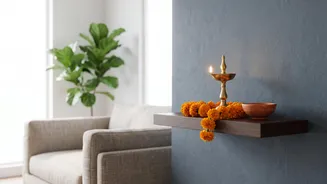
shift towards simplicity, especially in the sacred puja corner. Homeowners are increasingly choosing to create spaces that feel calm, personal, and uncluttered. This modern approach isn't about sparseness but intentionality. Instead of overwhelming the senses, the new festive look focuses on a few beautiful, meaningful items that create a serene atmosphere for prayer and reflection. It's a move from performative decoration to a more personal and spiritual experience of the festival.
Why Less is More This Festive Season
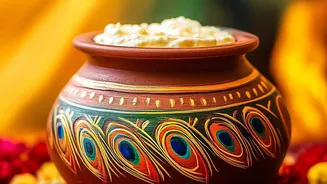
Several factors are driving this trend towards 'Indian minimalism'. A growing consciousness around sustainability is a major influence, with many people rejecting single-use plastics in favour of eco-friendly options. Decorations made from natural and biodegradable materials like clay, jute, bamboo, and fresh flowers are gaining popularity. This aligns with a desire to celebrate Navratri in a more mindful and environmentally friendly way. Furthermore, global design trends celebrating clean lines and uncluttered spaces have found a unique, soulful identity in India. This isn't a stark, cold minimalism but a warm approach that blends modern simplicity with traditional crafts, allowing for a space that feels both fresh and timeless.
Elements of a Mindful Puja Corner
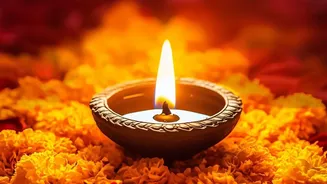
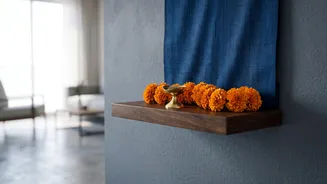
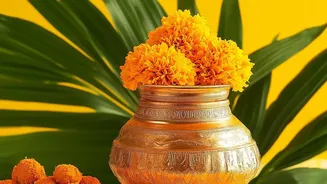
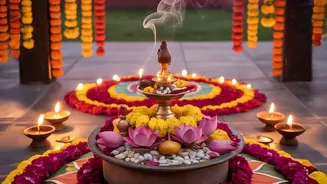
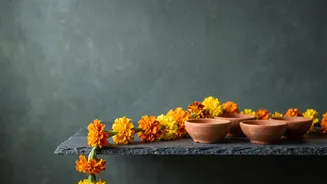
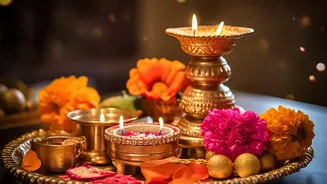
Creating a simple yet beautiful Navratri setup is about thoughtful curation. Start by decluttering the space to ensure the area feels peaceful and organised. The focus should be on a single, clean focal point, like a handcrafted murti on a wooden chowki. Natural materials are key: think fresh flowers like marigolds and jasmine arranged in a brass urli, or simple garlands. Using earthen diyas or brass lamps provides a warm, traditional glow that is more atmospheric than harsh lighting. You can also incorporate textiles by using a repurposed silk saree or a handloom cloth as a backdrop, adding colour and texture without creating clutter. The goal is to create a space that feels sacred, personal, and spiritually uplifting.
DIY Decor: Personal and Sustainable Touches
The trend towards simplicity encourages a hands-on, personal approach to decorations. DIY decor is not only budget-friendly but also sustainable and adds a unique, heartfelt touch. Simple ideas include creating your own torans from mango leaves and flowers, or upcycling old glass jars into beautiful lanterns and diya holders. Rangolis made with rice flour and flower petals are an eco-friendly alternative to synthetic colours. Even something as simple as using a Kalava (sacred thread) to create a criss-cross backdrop can look minimal yet deeply auspicious. These small, personal projects can become a cherished part of the festive ritual, infusing the celebration with more meaning and individual expression.