



Virat Kohli: The Man Who Started a Revolution
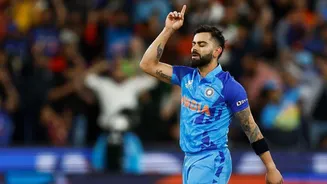
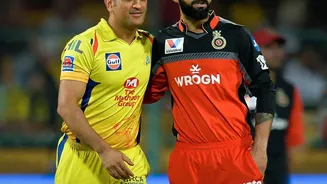
No discussion on fitness in Indian cricket is complete without Virat Kohli. His transformation is arguably the most influential. After the 2012 IPL season, a candid look in the mirror prompted a major change. He admitted to feeling 'disgusted' with his
physical state and realised he wasn't meeting international standards. This was the turning point. Out went the butter chicken and junk food he once loved, replaced by a meticulously planned, disciplined diet. Working with strength and conditioning coach Shankar Basu, Kohli adopted a scientific training approach, focusing on compound lifts like deadlifts and snatches, which were uncommon for cricketers at the time. He eventually cut out meat, gluten, and processed sugar, and focused on eating to 90% of his stomach's capacity. This new-found discipline didn't just elevate his own game—leading to a period between 2016 and 2019 where he scored seven Test double hundreds—it fundamentally changed the team's culture. He normalised a fitness-first mindset, making it the benchmark for every aspiring and current player in the Indian dressing room.
Hardik Pandya: Rebuilding for Power
Hardik Pandya’s journey is one of resilience and rebuilding. Known for his explosive power as an all-rounder, his career was threatened by a severe back injury. His transformation was born out of necessity. He realised that his naturally lean frame needed more strength to withstand the rigours of fast bowling and power-hitting. His comeback involved a strict regimen focused on building a robust physique. Pandya’s diet is a masterclass in discipline, emphasising low carbs, healthy fats, and ample lean protein from sources like lentils, tofu, and vegetables. He avoids processed foods and sugar, using tricks like apple cider vinegar to manage cravings. His training is equally intense, combining gym sessions focused on strength and functional movement with yoga and meditation for mental clarity. This holistic approach not only helped him recover but turned him into a more durable and powerful athlete, capable of consistently bowling at high speeds and clearing the ropes with ease.
KL Rahul: From Injury Prone to Athletic Marvel
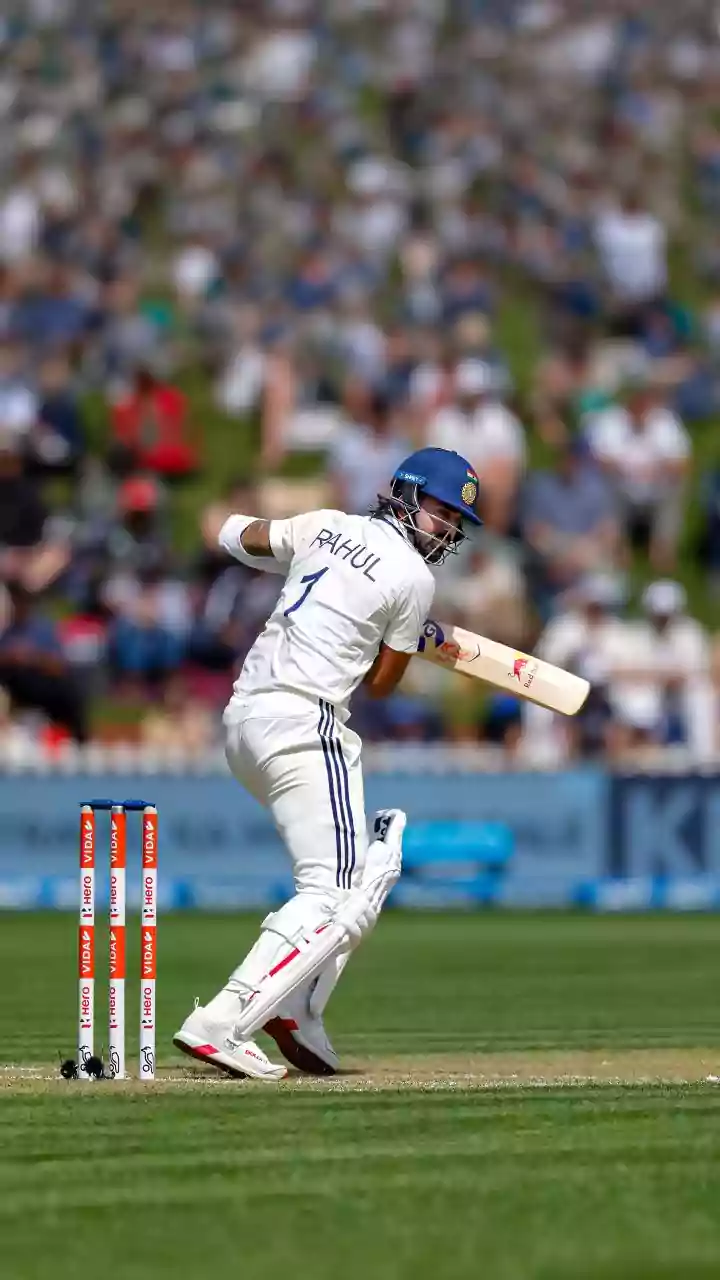
KL Rahul's path to peak fitness was paved by frustrating injuries. Early in his career, frequent breakdowns made him realise that talent alone wouldn't sustain him at the international level. This prompted a shift in focus towards year-round fitness. Rahul’s workout is a diverse mix of activities, including weight training, kickboxing, swimming, and yoga, designed to keep him agile, powerful, and injury-free. He focuses on exercises like overhead barbell squats for mobility and power. His diet is just as strict; he follows a gluten-free plan, avoids chicken and dairy, and relies on vegetables and healthy carbs. He has even used a DNA-based diet to tailor his food choices to his genetic profile for optimised performance. This commitment to a holistic lifestyle, covering everything from dynamic stretching to foam rolling, has transformed him into one of the most athletic and consistent players in the team.
Rohit Sharma: Silencing the Critics
For years, Rohit Sharma's exceptional talent was sometimes overshadowed by criticism regarding his fitness. In 2025, he decided to silence the doubters for good. He underwent a significant transformation, reportedly shedding around 10 kilograms. This was achieved through a demanding 12-week program that initially prioritised fitness over skills training. The regimen reportedly involved three-hour sessions, six days a week, focusing on high-repetition strength workouts and conditioning. The man known for his love of Mumbai street food, including vada pav, had to make significant sacrifices, shifting to a controlled, protein-rich diet. The result was a visibly leaner and more agile cricketer, proving his commitment and discipline extend beyond his elegant batting.
The Yo-Yo Test: The Great Filter
The transformations of these players occurred against the backdrop of a major institutional change: the introduction of mandatory fitness tests. The Yo-Yo Intermittent Recovery Test became a non-negotiable part of the selection criteria around 2016. This shuttle-run test measures a player's endurance and ability to recover between sprints. With a pass mark set around 16.5, it became a clear gatekeeper; failing the test could mean losing your spot on the team, as Mohammed Shami famously did in 2018. More recently, the BCCI has also introduced the Bronco test, a continuous running drill borrowed from rugby, to further test anaerobic capacity. These tests ensure that the fitness culture established by players like Kohli is enforced across the board, making physical conditioning a cornerstone of modern Indian cricket.